 TECH TIMES NEWS
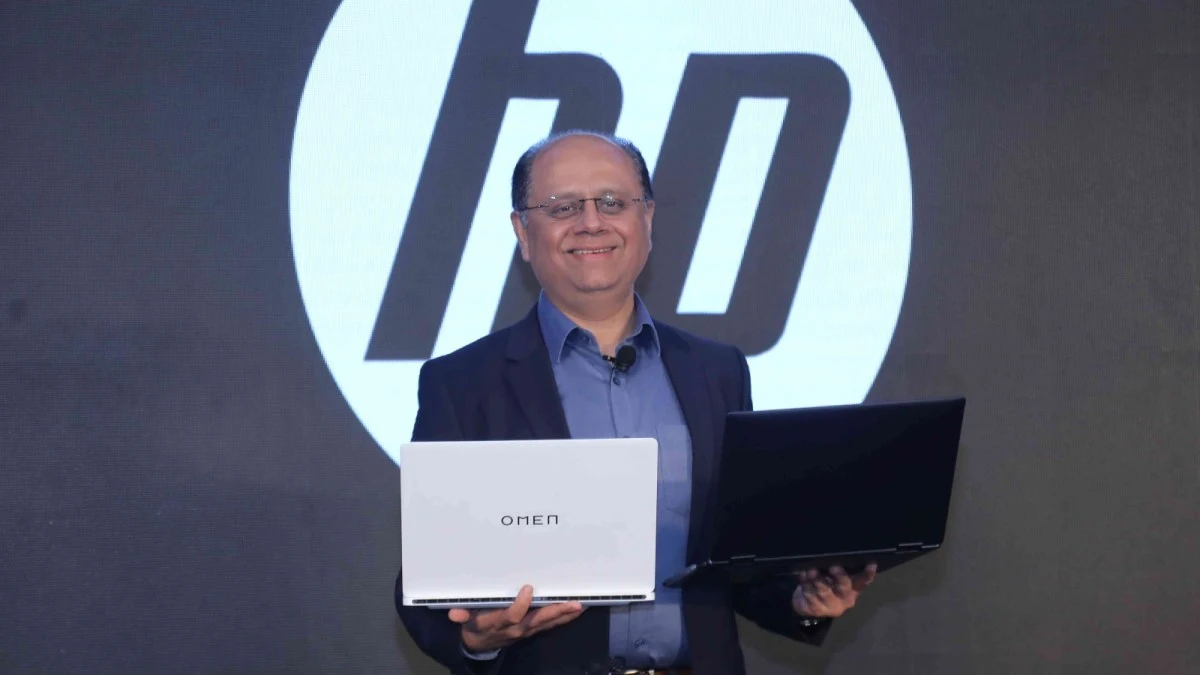
Artificial intelligence-powered PCs are steadily evolving from niche premium devices into mainstream computing machines, and pricing is expected to become more affordable as adoption scales up, according to HP India.
Speaking about the future of AI-enabled computing, Vineet Gehani, Senior Director – Personal Systems at HP India, said the industry is currently witnessing the early stages of a major technology transition similar to earlier shifts seen with smartphones and high-performance laptops.
Gehani noted that while AI PCs currently command premium pricing due to advanced hardware requirements and newer chip architectures, broader market adoption and increasing manufacturing volumes are expected to gradually lower costs over time.
“AI PCs will become all-pervasive. As adoption increases and economies of scale improve, prices will naturally come down,” he said while discussing the evolving personal computing landscape.
What Defines an AI PC
AI PCs are a new category of computers designed to handle artificial intelligence tasks directly on the device rather than relying entirely on cloud-based processing. These systems typically include dedicated Neural Processing Units (NPUs), optimized CPUs, and advanced GPUs capable of running AI workloads efficiently.
The category has gained momentum following the launch of Microsoft’s Copilot+ PC initiative and the arrival of new AI-focused processors from Qualcomm, Intel, and AMD.
Industry experts say AI PCs can improve productivity by enabling features such as:
- Real-time language translation
- AI-assisted content creation
- Intelligent search and summarization
- Advanced video conferencing enhancements
- Automated workflow management
- On-device generative AI processing
Unlike traditional cloud-only AI systems, on-device AI processing also offers potential advantages in privacy, latency, and offline functionality.
HP Expanding Its AI PC Portfolio
HP has been aggressively expanding its AI-enabled product lineup across consumer, commercial, and enterprise segments in India and global markets.
The company recently introduced multiple AI-powered notebooks and productivity-focused devices aimed at professionals, creators, and enterprise users. HP’s newer systems integrate AI acceleration capabilities designed to improve multitasking, battery optimization, collaboration tools, and workflow automation.
Gehani said businesses are increasingly exploring AI-enabled devices to improve employee productivity and operational efficiency.
“There is strong curiosity and growing intent among enterprises to understand how AI computing can improve workflows, employee experiences, and business outcomes,” he explained.
The company believes enterprise adoption could become one of the strongest growth drivers for the AI PC segment over the next few years.
Enterprise Demand Expected to Lead Early Growth
While consumer awareness around AI PCs is growing, analysts believe enterprise deployments will likely drive initial large-scale adoption.
Many organizations are currently evaluating how AI-enabled systems can assist employees with routine tasks, document management, customer engagement, coding support, and collaboration.
Technology market researchers have projected that AI-capable PCs could account for a substantial share of global PC shipments within the next few years as businesses refresh aging hardware fleets.
The broader PC industry is also viewing AI integration as an opportunity to revive demand following a period of slower post-pandemic growth.
For manufacturers like HP, Dell, Lenovo, Asus, and Acer, AI PCs represent not only a hardware upgrade cycle but also a strategic shift toward more intelligent and personalized computing experiences.
Pricing Remains a Key Consumer Challenge
Despite growing interest, affordability continues to be one of the biggest barriers to mass-market AI PC adoption.
Most current-generation AI laptops are positioned in the premium category due to expensive chipsets, higher memory requirements, and specialized hardware components.
However, Gehani indicated that this pricing gap is likely temporary.
Historically, newer technologies tend to become more affordable once supply chains mature, competition increases, and component costs decline. Similar trends were seen in earlier technology categories including SSD storage, OLED displays, and high-refresh-rate laptops.
Industry observers expect entry-level AI PCs to become more accessible over the next two to three years as chipmakers ramp up production and software ecosystems mature.
India Emerging as a Key AI PC Market
India is increasingly becoming an important growth market for global PC makers, especially as enterprises accelerate digital transformation initiatives and hybrid work models continue to evolve.
The rise of startup ecosystems, creator economies, software development, and AI-focused workflows is also contributing to growing interest in performance-oriented computing devices.
HP believes India’s expanding technology workforce and enterprise modernization efforts position the country as a significant opportunity for AI PC adoption.
The company is also focusing on localized strategies, channel expansion, and broader product availability to strengthen its position in the evolving market.
AI PCs Could Reshape the Future of Computing
The emergence of AI PCs signals a broader transformation in personal computing where devices move beyond traditional productivity tasks into intelligent, context-aware systems capable of assisting users in real time.
From workplace productivity and education to content creation and software development, AI integration is expected to influence how users interact with computers in the years ahead.
Although pricing remains a challenge today, industry leaders like HP believe wider adoption, ecosystem maturity, and increasing competition will ultimately make AI-powered computing accessible to a much larger audience.
As chipmakers, software companies, and PC manufacturers continue investing heavily in AI ecosystems, the next generation of personal computers may soon become defined not just by speed and performance, but by how intelligently they can assist users every day.