 TECH TIMES NEWS
Artificial intelligence is no longer just a growth story for technology companies. Increasingly, it is also becoming part of the explanation for workforce reductions across the corporate world.
Over the past year, several major companies including Cisco, Block, IBM, Dropbox and Duolingo have either directly referenced AI initiatives or highlighted automation-driven efficiency gains while announcing layoffs or internal restructuring. The pattern is reinforcing concerns that generative AI is beginning to reshape employment trends far beyond factory automation and into white-collar professions traditionally considered secure.
Executives argue the shift is necessary to remain competitive in an industry rapidly moving toward AI-first products and services. Critics, however, warn that companies may be using AI as both a strategic tool and a financial justification for reducing labor costs.
Cisco Accelerates AI Focus Amid Workforce Changes
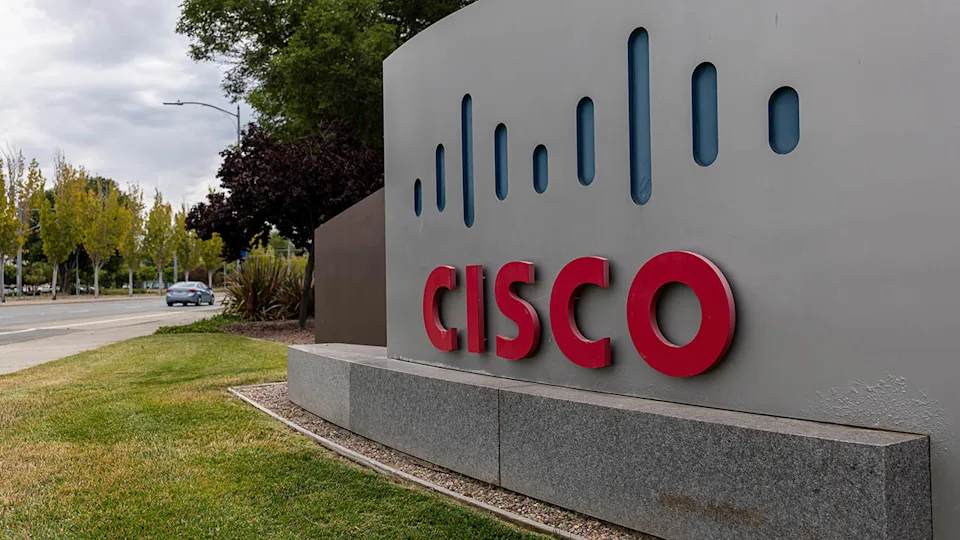
Networking giant Cisco has been among the latest companies to connect restructuring efforts with its AI strategy. The company has been prioritizing investments in artificial intelligence infrastructure, cybersecurity and cloud networking while reducing spending in slower-growth business areas.
Cisco has announced multiple rounds of layoffs over the past year as it redirects resources toward AI-powered enterprise solutions. Company leadership has emphasized that demand for AI-ready networking systems and data-center technologies is increasing rapidly, particularly as businesses build infrastructure capable of handling generative AI workloads.
The company is also competing aggressively against rivals benefiting from the AI boom, especially in areas tied to data-center expansion and high-performance networking.
Industry analysts say Cisco’s restructuring reflects a broader trend where firms are reallocating talent and capital toward AI development rather than maintaining traditional operational structures.
Block Pushes Leaner Workforce Strategy
Financial technology company Block, led by Twitter co-founder Jack Dorsey, has also moved toward a leaner operational structure while increasing its focus on AI and automation tools.
Reports surrounding recent job cuts indicated the company was streamlining teams and prioritizing engineering efficiency. Block has been investing in AI-driven commerce, payment technologies and developer tools as competition intensifies across the fintech sector.
The company’s restructuring aligns with a growing corporate belief that AI systems can improve productivity while reducing the need for larger operational teams. Analysts note that fintech firms, under pressure to maintain margins amid uncertain economic conditions, are increasingly using automation to manage support, analytics and internal workflows.
AI Investment Boom Is Changing Hiring Priorities
The current wave of layoffs is unfolding alongside one of the largest AI investment cycles in modern technology history.
Major firms are spending billions of dollars on AI chips, cloud infrastructure, large language models and enterprise automation platforms. As budgets shift toward these priorities, companies are simultaneously reducing headcount in departments viewed as less critical to future growth.
This does not necessarily mean AI is replacing every eliminated role directly. In many cases, companies are redesigning organizational structures around AI-assisted productivity, allowing fewer employees to perform larger workloads.
According to market analysts, the transition is especially visible in software development, customer service, content moderation, recruitment, marketing operations and administrative support functions.
IBM and Dropbox Also Highlighted AI Efficiency Gains
IBM drew attention earlier when executives stated that AI and automation could replace portions of back-office functions, particularly within human resources and administrative operations.
The company has simultaneously expanded investments in enterprise AI software and consulting services, positioning itself as a key player in business automation.
Dropbox, meanwhile, cited the need to align resources with AI-focused growth areas during workforce reductions. The cloud-storage company has shifted attention toward AI-powered search, organization and productivity features integrated into workplace tools.
These developments suggest that AI-related restructuring is no longer limited to startups or experimental business divisions. Established enterprise technology firms are also redesigning workforce models around automation capabilities.
Duolingo and Other Digital Platforms Embrace AI-Led Operations
Language-learning platform Duolingo has openly discussed its increasing reliance on AI tools for content generation and operational efficiency. The company has integrated generative AI into lesson development, customer interaction and personalization systems.
While executives maintain that AI enhances productivity rather than simply replacing workers, labor market experts say the long-term impact on creative and operational roles remains uncertain.
Other digital platforms across media, e-commerce and software services are also adopting AI-assisted systems to reduce repetitive work and accelerate production timelines.
This trend is creating a new employment dynamic where companies continue hiring in high-skill AI engineering and infrastructure roles while slowing recruitment in support-heavy departments.
Investors Reward AI Efficiency Narratives
Wall Street has largely reacted positively to companies promoting AI-driven productivity improvements.
Investors increasingly view automation strategies as a pathway toward stronger margins and long-term scalability. Companies demonstrating aggressive AI adoption often receive favorable market attention, especially if they pair the strategy with cost reductions.
This financial pressure is encouraging executives to present AI as both a growth engine and an operational efficiency tool.
However, economists caution that rapid workforce transitions may create broader labor market disruptions if retraining efforts fail to keep pace with technological change.
Experts Say Workforce Adaptation Will Define the Next Phase of AI Growth
Technology experts believe the current restructuring wave marks the beginning of a larger transformation rather than a temporary adjustment cycle.
Generative AI systems are evolving quickly, with businesses deploying them across coding assistance, research, analytics, customer support and enterprise operations. As AI capabilities improve, companies may continue reshaping hiring strategies around smaller, more specialized teams supported by automation tools.
At the same time, demand for AI engineers, cybersecurity specialists, cloud architects and data infrastructure professionals is expected to rise sharply.
Analysts say the challenge for governments, businesses and workers will be managing the transition responsibly while balancing innovation with employment stability.
For now, one message from corporate earnings reports and restructuring announcements is becoming increasingly clear: artificial intelligence is no longer viewed only as a future opportunity. It is already influencing how companies decide who they hire, retain and let go.