 TECH TIMES NEWS
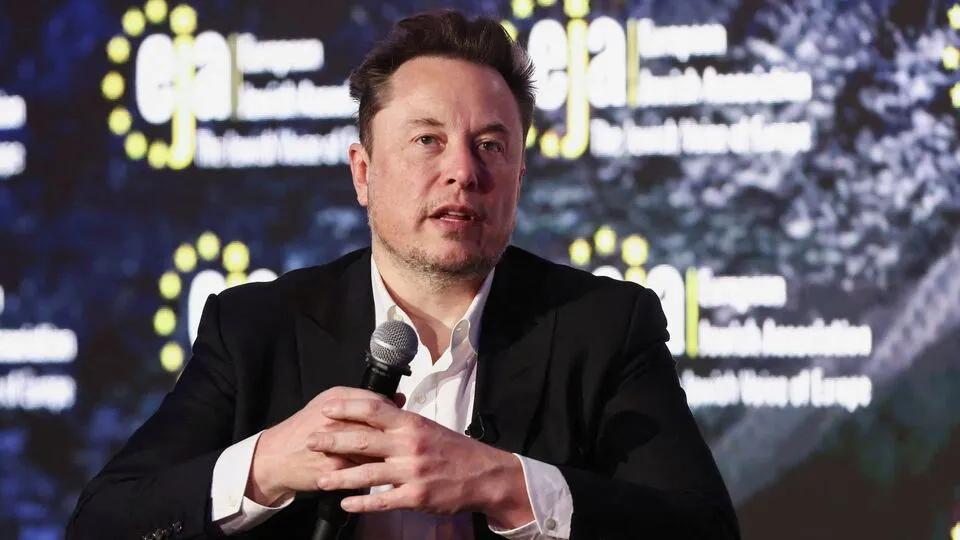
During Tesla’s annual shareholder meeting in November, CEO Elon Musk made it clear that gaining approval in Europe remains a top priority for the company. His statement — “we obviously need to get it approved in Europe” — underscores the regulatory roadblocks Tesla continues to face in one of the world’s most tightly controlled automotive markets.
Europe represents a critical battleground for Tesla, not just because of its size but also due to its leadership in EV adoption and environmental policy. However, the region’s strict safety, data privacy, and autonomous driving regulations have slowed down the rollout of some of Tesla’s advanced features, particularly Full Self-Driving (FSD).
Musk’s Unusual Call: Customers as Policy Influencers
What stood out in Musk’s remarks was not just the acknowledgment of regulatory challenges, but his suggestion that Tesla customers should actively pressure European regulators. This is a relatively unconventional approach in the automotive industry, where lobbying is typically handled through formal channels such as industry groups and legal teams.
By urging users to engage directly, Musk appears to be leveraging Tesla’s strong and vocal customer base as a strategic asset. Tesla owners and enthusiasts have historically played a significant role in shaping public perception, and Musk’s call indicates a shift toward more grassroots-style influence in regulatory discussions.
Why Europe Is a Tough Market for Tesla’s Advanced Tech
Unlike the United States, where Tesla has been able to test and deploy features like FSD with fewer constraints, European regulators impose stricter approval processes. Key challenges include:
- Safety Compliance: European authorities require extensive validation before allowing autonomous features on public roads.
- Data Privacy Laws: Regulations like GDPR restrict how vehicle data can be collected and processed.
- Standardization Requirements: Features must align with EU-wide frameworks, which often lag behind technological advancements.
As a result, Tesla’s software-driven innovations often face delays in Europe, impacting the company’s ability to offer a consistent global product experience.
Strategic Importance of European Approval
Securing regulatory approval in Europe is not just about feature availability — it’s central to Tesla’s long-term growth strategy. Europe is one of the fastest-growing EV markets globally, with countries like Germany, Norway, and the Netherlands leading adoption rates.
Moreover, traditional automakers in Europe are rapidly scaling their own EV and semi-autonomous offerings. Companies like Volkswagen, BMW, and Mercedes-Benz are investing heavily in compliance-ready technologies, which puts additional pressure on Tesla to align with regional standards.
Failure to secure timely approvals could limit Tesla’s competitive edge, especially in premium segments where advanced driver assistance systems are becoming a key differentiator.
Expert Insight: A High-Risk, High-Reward Strategy
Musk’s approach of encouraging customer-driven pressure carries both potential benefits and risks. On one hand, it can amplify public demand and highlight consumer interest in advanced features. On the other, regulators may resist perceived external pressure, particularly in regions like the EU where policy decisions are designed to remain insulated from corporate influence.
Industry analysts suggest that while public sentiment can play a role, regulatory approval in Europe ultimately depends on rigorous testing, transparency, and compliance — not just demand.
What This Means for Consumers and the EV Industry
For Tesla customers in Europe, Musk’s statement signals that advanced features like FSD may still take time to become fully available. It also reflects the broader reality that innovation in the EV space is increasingly tied to regulatory alignment, not just technological capability.
For the industry, this situation highlights a growing divide between rapid innovation cycles and slower-moving regulatory frameworks. Bridging this gap will be crucial not just for Tesla, but for all companies working on next-generation mobility solutions.
The Bottom Line
Elon Musk’s push for European approval — combined with his call for customer involvement — reveals both the urgency and complexity of Tesla’s expansion strategy. While the company continues to lead in EV innovation, its success in Europe will depend on navigating one of the world’s most stringent regulatory environments.