 TECH TIMES NEWS
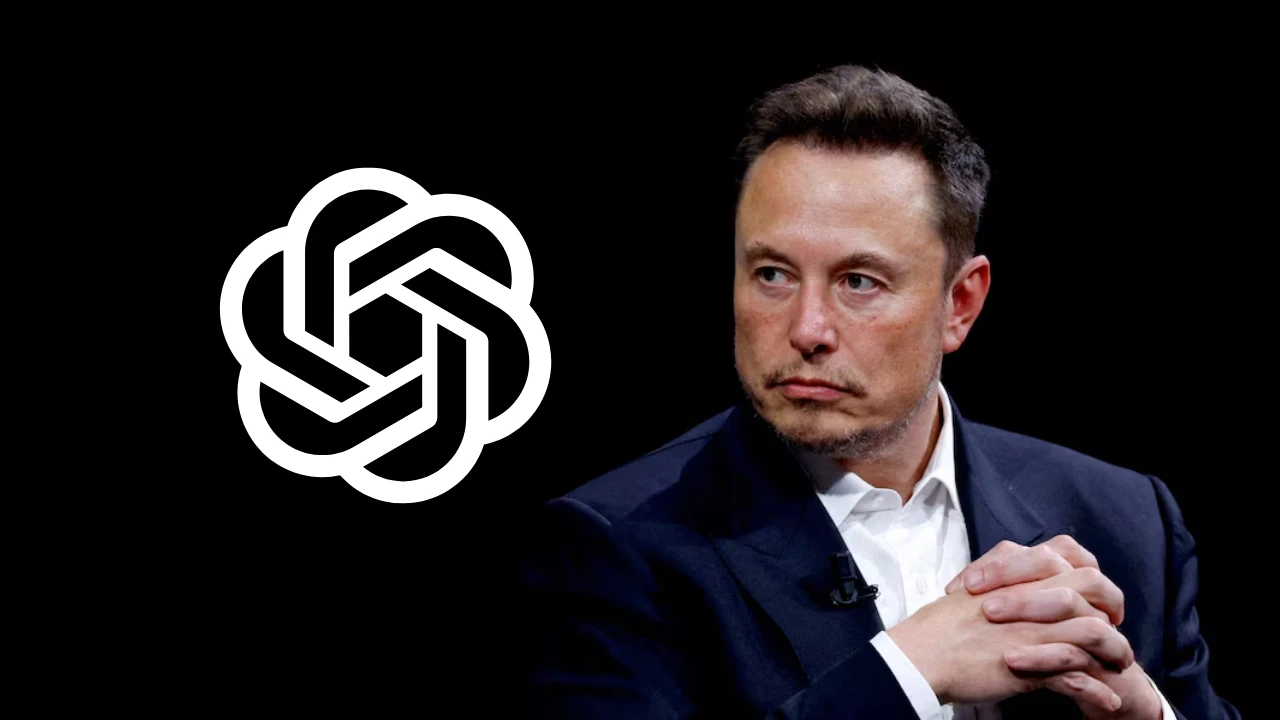
Elon Musk has significantly escalated his ongoing legal battle with OpenAI and Microsoft, seeking damages worth $150 billion in what is shaping up to be one of the most consequential lawsuits in the history of the artificial intelligence industry. The claim targets both OpenAI and its key partner Microsoft, alleging that their collaboration has strayed from the organization’s founding principles.
The scale of the damages sought underscores the seriousness of the dispute and signals Musk’s broader attempt to challenge the current direction of AI commercialization.
Core Allegations: Mission Drift and Commercial Control
At the heart of Musk’s case is the argument that OpenAI, originally founded as a nonprofit dedicated to developing artificial intelligence for the benefit of humanity, has shifted toward a profit-driven model. Musk contends that the organization’s deep financial and technological integration with Microsoft undermines its original mission.
Microsoft, which has invested billions of dollars into OpenAI and integrated its models across products like Azure and enterprise tools, is central to these claims. The lawsuit raises questions about whether such partnerships concentrate too much power in the hands of a few corporations, potentially limiting open access and fair competition in AI development.
Unusual Twist: Damages Directed to a Charitable Arm
In a notable and somewhat unconventional move, Musk has stated that any damages awarded from the lawsuit should go to OpenAI’s charitable arm rather than to himself. This element of the case adds a strategic and symbolic layer, reinforcing Musk’s long-standing narrative that AI development should prioritize public good over corporate profit.
While it remains unclear how such a distribution would be structured legally, the proposal is likely to become a focal point in court deliberations and public discourse.
Broader Industry Implications
Beyond the immediate legal confrontation, the case could have far-reaching implications for the AI sector. It touches on critical issues including:
- The governance of advanced AI systems
- The balance between open research and commercial incentives
- The role of Big Tech in shaping AI access and deployment
Regulators in the United States and Europe have already shown increasing interest in AI oversight, and this lawsuit may further accelerate calls for clearer frameworks around transparency, accountability, and competition.
Expert Perspective: A Defining Moment for AI Governance
Industry analysts view the lawsuit as a potential inflection point. If Musk’s claims gain traction, it could force a reevaluation of hybrid nonprofit–for-profit models that have become common in AI research organizations. On the other hand, a dismissal or failure to prove wrongdoing could reinforce the legitimacy of current commercial partnerships driving rapid AI innovation.
Either outcome is likely to influence how future AI ventures are structured and funded.
What Comes Next
The legal process is expected to be lengthy, involving complex questions of corporate governance, contractual obligations, and public-interest mandates. Both OpenAI and Microsoft are likely to mount strong defenses, emphasizing the role of large-scale investment in accelerating AI breakthroughs.
For now, the case stands as a high-profile clash not just between individuals and corporations, but between competing visions of how artificial intelligence should evolve.
Takeaway:
This lawsuit is less about financial compensation and more about control, ethics, and the future direction of AI. Whether it leads to structural change or simply reinforces the status quo, its impact on the global technology landscape could be profound.