 TECH TIMES NEWS
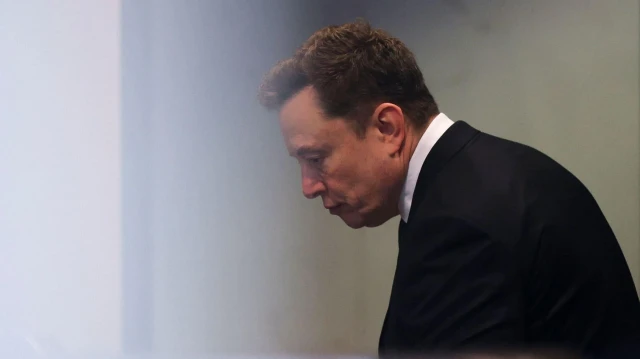
Elon Musk has agreed to settle a lawsuit filed by the U.S. Securities and Exchange Commission (SEC) over alleged failures to properly disclose his stake in Twitter (now X Corp.). As part of the settlement, Musk will pay a $1.5 million civil penalty, closing a regulatory chapter tied to one of the most scrutinized tech acquisitions in recent history.
The SEC’s complaint centered on the timing and accuracy of Musk’s public disclosures when he accumulated a significant stake in Twitter prior to his $44 billion takeover bid in 2022. Under U.S. securities law, investors crossing certain ownership thresholds must promptly disclose their holdings to ensure market transparency.
Core Issue: Delayed Disclosure and Market Impact
At the heart of the case was Musk’s delay in filing required disclosures, specifically after surpassing the 5% ownership threshold in Twitter shares. Such disclosures are critical because they can influence stock prices and investor decisions.
According to regulatory expectations, timely reporting ensures a level playing field. The SEC argued that Musk’s delay allowed him to continue purchasing shares at lower prices before the market fully reacted to his growing stake.
This raised broader concerns about information asymmetry—where one market participant holds an advantage due to undisclosed information.
Why It Matters: A Signal to High-Profile Executives
While the $1.5 million penalty is relatively small compared to Musk’s net worth, the case sends a strong signal:
even the most influential tech leaders are not beyond disclosure rules.
For regulators, this is less about the monetary penalty and more about reinforcing compliance standards. The SEC has increasingly focused on ensuring that market-moving figures adhere strictly to reporting timelines, especially in high-volatility tech stocks.
Experts note that this settlement reinforces a consistent enforcement pattern—prioritizing transparency over intent.
Expert Insight: Compliance Is Becoming Non-Negotiable
Legal and market analysts view this case as part of a broader tightening of regulatory oversight in the tech sector.
- Increased scrutiny: High-profile executives are under constant watch due to their ability to influence markets through both actions and statements.
- Faster enforcement cycles: The SEC is moving quicker to address violations, particularly those involving disclosure delays.
- Precedent value: Even relatively modest fines create precedents that shape future enforcement actions.
In practical terms, this means executives and institutional investors must treat disclosure compliance as a real-time obligation, not a procedural afterthought.
Context: Musk’s History with the SEC
This is not Musk’s first encounter with the SEC. His 2018 “funding secured” tweet regarding Tesla led to a separate settlement, including fines and governance changes.
Taken together, these cases illustrate a recurring tension between Musk’s fast-moving, unconventional style and the structured, rule-bound expectations of financial regulators.
Strategic Takeaway for Readers
For investors and tech observers, the key lesson is clear:
timing of information can be just as critical as the information itself.
- Disclosure delays can create unfair advantages
- Regulators are increasingly vigilant in enforcing compliance
- Even minor procedural lapses can lead to legal consequences
For companies and executives, the message is even sharper—regulatory discipline must match the speed of modern markets.
What Comes Next: Broader Implications for Tech and Markets
The settlement is unlikely to materially impact Musk’s business operations, but it adds to a growing body of regulatory actions shaping how tech leaders engage with public markets.
Going forward, expect:
- Stricter enforcement of disclosure timelines
- Greater scrutiny of large stake accumulations
- Increased accountability for high-visibility executives
In a market driven by rapid information flow, compliance is no longer optional—it’s foundational to credibility.