 TECH TIMES NEWS
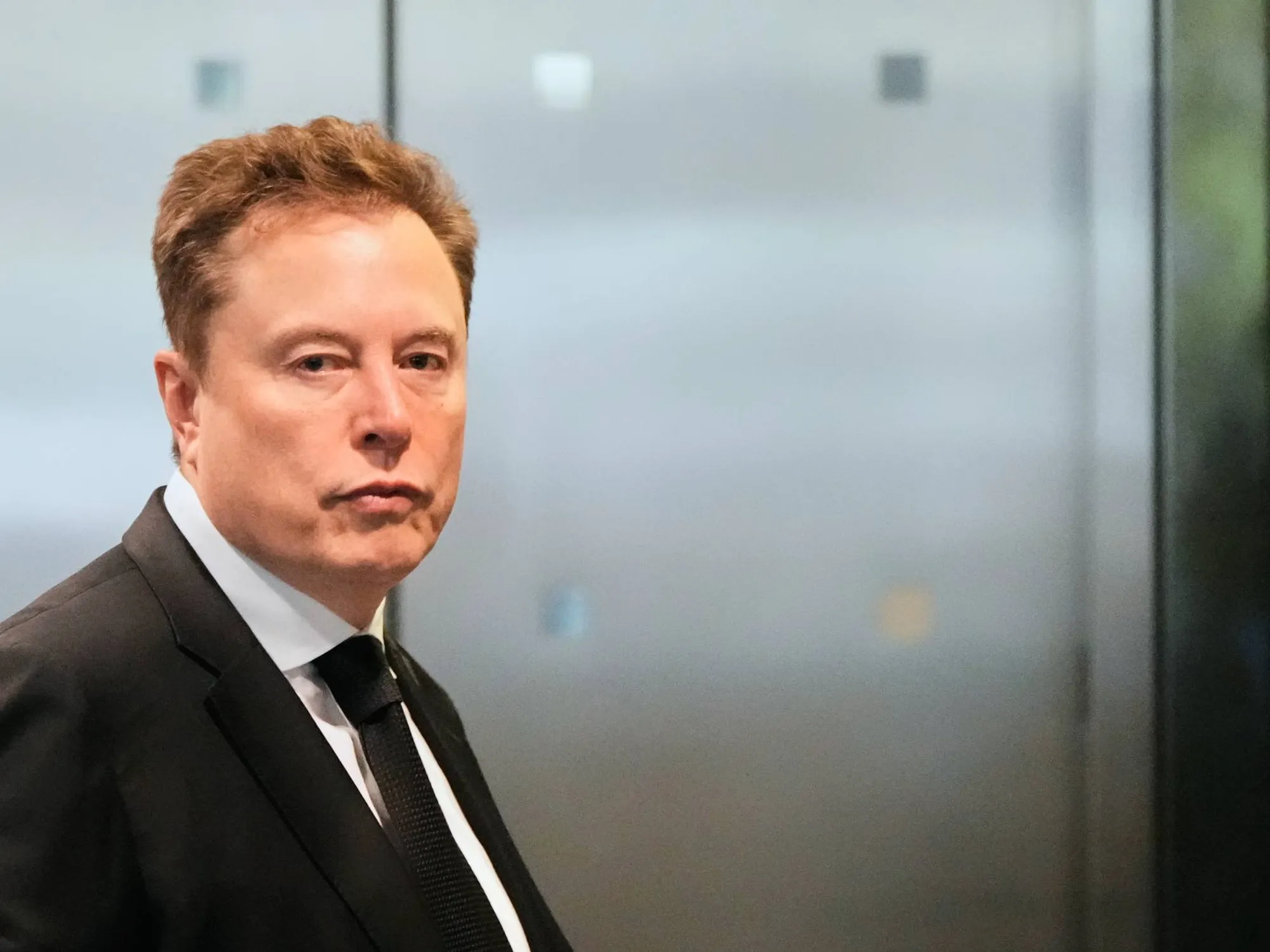
The legal battle between Elon Musk and OpenAI is approaching a decisive moment as a jury prepares to weigh one of the most consequential lawsuits in the modern artificial intelligence industry. The case, which has drawn massive attention across Silicon Valley and Washington, could influence how AI companies are governed, funded, and regulated in the years ahead.
Musk, who co-founded OpenAI in 2015 before distancing himself from the organization, alleges that the company abandoned its founding mission of building artificial intelligence for the benefit of humanity. Instead, according to the lawsuit, OpenAI transformed into a commercially driven entity heavily aligned with Microsoft’s financial interests.
OpenAI has strongly denied the accusations, arguing that Musk’s claims misrepresent both the company’s structure and its long-term goals.
Core Dispute Centers on OpenAI’s Transformation
At the center of the lawsuit is OpenAI’s evolution from a nonprofit AI research organization into a business with major commercial ambitions. Musk claims the company’s original mission emphasized open collaboration and public benefit rather than proprietary technology and aggressive monetization.
The lawsuit argues that OpenAI’s partnership with Microsoft — which has invested billions of dollars into the company — fundamentally changed the organization’s direction. Musk’s legal team contends that advanced AI systems developed under OpenAI are no longer being shared openly and are instead being leveraged for competitive commercial advantage.
OpenAI maintains that its hybrid structure, including its capped-profit model, was necessary to secure the enormous funding required for advanced AI research and infrastructure. Company executives have repeatedly stated that developing frontier AI systems demands significant computational resources, global-scale data centers, and long-term investment commitments.
Why the Jury’s Role Matters
Unlike many corporate disputes that are settled privately or resolved by judges, this case is expected to place complex questions about AI ethics, governance, and business practices before a jury.
Legal analysts say the trial could become a defining test of whether courts are willing to intervene in how AI organizations balance public-interest missions with commercial realities. Jurors may ultimately have to examine internal communications, founding agreements, investor relationships, and strategic decisions made during OpenAI’s rapid rise.
The case also raises broader questions about accountability in the AI sector, especially as generative AI tools increasingly influence education, business, healthcare, software development, and media industries worldwide.
Elon Musk’s Expanding AI Rivalry
The lawsuit is unfolding amid Musk’s growing competition with OpenAI itself. In recent years, Musk launched xAI, his own artificial intelligence company, positioning it as an alternative approach to AI development.
Industry observers believe the legal conflict is not only about OpenAI’s original mission but also reflects a broader power struggle over who will shape the future of advanced AI systems. Musk has frequently warned about the risks of concentrated AI power and has publicly criticized what he views as insufficient transparency across the industry.
At the same time, OpenAI continues expanding its global influence through products such as ChatGPT and enterprise AI tools integrated into Microsoft services. The company’s rapid commercial success has intensified scrutiny from regulators, competitors, and former allies alike.
Microsoft’s Involvement Adds More Pressure
Although the lawsuit primarily targets OpenAI, Microsoft’s deep involvement has become a central talking point throughout the proceedings. The tech giant has invested billions into OpenAI and integrated its AI technologies across products including Windows, Azure, Office, and Bing.
Critics argue that such partnerships risk concentrating AI power among a small group of major technology companies. Supporters counter that partnerships between AI labs and large corporations are necessary to fund expensive research and maintain global competitiveness against rivals in China and other markets.
Experts say the trial could indirectly affect how future partnerships between AI startups and tech giants are structured.
AI Governance Debate Reaches Mainstream Attention
Beyond the courtroom drama, the lawsuit highlights the growing public debate over AI governance. Policymakers across the United States and Europe are already considering new rules covering transparency, copyright, competition, safety standards, and the deployment of advanced AI systems.
The Musk-OpenAI dispute has amplified concerns over whether nonprofit-origin AI organizations can maintain public-interest commitments once commercial pressures intensify.
Some analysts believe the case may encourage governments to establish clearer frameworks defining how AI companies transition from research-focused institutions into profit-generating enterprises.
OpenAI’s Defense Focuses on Practical Reality
OpenAI’s legal defense emphasizes that the organization’s current structure was publicly disclosed and necessary for survival in a highly competitive industry. Company representatives argue that without large-scale investment and commercial partnerships, developing cutting-edge AI models would be financially impossible.
The company has also argued that Musk himself once supported the idea of transforming OpenAI into a more commercially viable entity before leaving the organization.
Court filings and testimony are expected to play a major role in shaping public understanding of the early internal debates that influenced OpenAI’s direction.
Potential Industry-Wide Consequences
Regardless of the final verdict, experts believe the case could leave a lasting mark on the AI industry. A ruling favorable to Musk might increase pressure on AI firms to honor original nonprofit commitments more strictly. A victory for OpenAI could strengthen the legal foundation for hybrid-profit AI structures backed by major investors.
The outcome may also influence investor confidence, future AI funding models, and how startups communicate mission statements to the public.
For technology companies racing to dominate artificial intelligence, the trial serves as a reminder that legal and ethical scrutiny is rising alongside innovation.
A Defining Moment for the AI Era
As jurors prepare to examine one of the most closely watched technology lawsuits in recent memory, the stakes extend far beyond Elon Musk and OpenAI.
The trial represents a broader clash between idealism and commercialization in the artificial intelligence industry. It also reflects growing tension over who controls transformative technologies that could shape economies, labor markets, information systems, and daily life for decades.
Whatever the jury ultimately decides, the verdict is likely to become a defining chapter in the global debate over the future of AI.