 TECH TIMES NEWS
Signal has long positioned itself as one of the most secure messaging applications in the world, earning praise from cybersecurity professionals, journalists, activists, and privacy-conscious users for its strong end-to-end encryption. However, a recent social engineering attack has demonstrated that even highly secure platforms remain vulnerable when attackers target people instead of code.
The incident did not involve a direct breach of Signal’s encryption protocols. Instead, attackers reportedly relied on manipulation tactics designed to deceive users into giving away access credentials or linking unauthorized devices to their accounts. Cybersecurity analysts say the attack serves as another reminder that human behavior often remains the weakest point in modern digital security systems.
While Signal’s core encryption architecture remained intact, the event generated significant discussion across the cybersecurity community because it exposed how sophisticated social engineering schemes can bypass technical defenses without actually “hacking” the application itself.
Understanding Social Engineering in Cybersecurity
Social engineering refers to psychological manipulation techniques used by attackers to trick individuals into revealing sensitive information, granting unauthorized access, or performing actions that compromise security. Unlike traditional hacking methods that focus on exploiting software flaws, social engineering attacks exploit trust, urgency, fear, and human error.
Cybersecurity researchers note that these attacks have become increasingly common as encryption standards across major technology platforms continue to improve. Instead of attempting to crack encrypted systems, attackers frequently impersonate trusted contacts, mimic official support communications, or create fake login workflows to gain account access.
According to multiple industry reports over the past few years, phishing and social engineering remain among the leading causes of account compromise globally. Analysts say attackers increasingly view human manipulation as more efficient and less technically demanding than discovering advanced software vulnerabilities.
How the Attack Reportedly Worked
Security experts familiar with the incident say the attackers allegedly used deceptive communication tactics to persuade targets into linking secondary devices or exposing authentication-related information. In some cases, attackers may impersonate trusted organizations, colleagues, or technical support representatives to create a sense of legitimacy.
One of the common concerns surrounding secure messaging apps involves device-linking systems, where users can connect additional desktops or devices to their accounts. If a malicious actor convinces a user to approve an unauthorized device connection, the attacker may gain access to conversations without needing to defeat the encryption technology itself.
Researchers emphasize that this type of attack does not indicate a failure in Signal’s cryptographic infrastructure. Instead, it highlights how attackers can circumvent technical barriers by manipulating user decisions.
Security analysts compared the situation to handing over the keys to a locked house. The lock itself may remain secure, but the security model fails if someone is tricked into voluntarily opening the door.
Signal’s Security Reputation Remains Largely Intact
Despite the headlines surrounding the incident, cybersecurity professionals broadly agree that Signal’s underlying encryption framework remains among the strongest available in consumer messaging applications.
Signal uses end-to-end encryption protocols designed to ensure that only the sender and intended recipient can read messages. The platform’s Signal Protocol has also been adopted by several major technology companies and communication services because of its strong security reputation.
Experts stressed that the recent attack should not be interpreted as encryption being “broken.” Instead, the event demonstrates the growing sophistication of social engineering campaigns that operate outside traditional technical attack methods.
“Encryption can protect data in transit, but it cannot always protect users from deception,” several security researchers noted while discussing broader industry trends tied to phishing and impersonation attacks.
Why Social Engineering Is Becoming More Dangerous
The rise of artificial intelligence tools, deepfake technology, and large-scale data leaks has made social engineering attacks more convincing than ever before. Attackers can now gather publicly available information from social media, corporate websites, leaked databases, and online profiles to create highly personalized scams.
Cybersecurity firms have repeatedly warned that modern phishing campaigns are becoming increasingly targeted and believable. Instead of mass spam emails filled with obvious mistakes, attackers are now using professional language, realistic branding, and contextual information that make fraudulent communications difficult to detect.
Experts say secure messaging applications are particularly attractive targets because they are widely used for sensitive personal, political, business, and journalistic communications.
As governments, corporations, and individuals continue shifting toward encrypted communication platforms, attackers are increasingly focusing on account takeover strategies rather than encryption bypass techniques.
Industry-Wide Challenge Beyond Signal
The broader cybersecurity industry views the incident as part of a much larger trend affecting nearly every digital platform, including email providers, financial services, enterprise software companies, and social media applications.
Major technology firms such as Google, Microsoft, Apple, and Meta have all faced waves of sophisticated phishing and impersonation attacks in recent years. Security experts say no platform is completely immune because social engineering fundamentally targets human trust rather than system architecture.
This has forced many companies to invest more heavily in multi-factor authentication systems, account recovery safeguards, suspicious login detection, and user education campaigns.
Some analysts argue that future cybersecurity competition will increasingly revolve around usability and behavioral protections rather than encryption strength alone.
The Role of User Awareness in Digital Security
Cybersecurity professionals consistently emphasize that user awareness remains one of the most effective defenses against social engineering attacks.
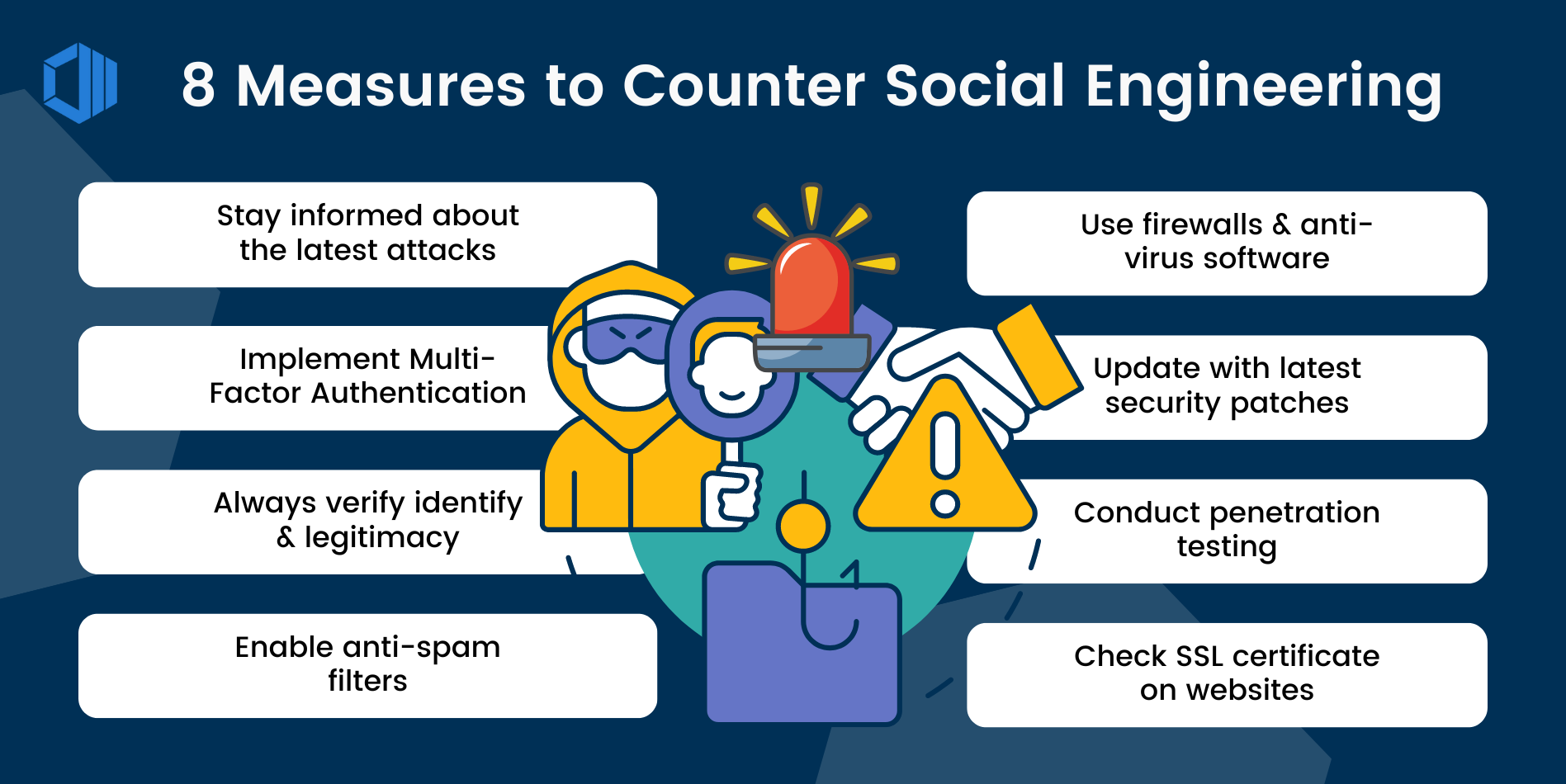
Experts recommend that users carefully verify unexpected requests, avoid clicking suspicious links, and review device-linking permissions regularly. Users are also encouraged to enable additional account security protections whenever available.
Signal and other messaging platforms typically advise users to confirm security notifications, review linked devices periodically, and remain cautious of urgent requests involving authentication or account verification.
Security researchers say organizations must also improve digital literacy as cybercriminal tactics evolve.
“Technology alone cannot solve every cybersecurity problem,” analysts explain. “Users need to understand how manipulation tactics work because attackers increasingly rely on psychology instead of technical exploits.”
Regulatory and Privacy Implications
The incident may also influence broader discussions around digital privacy regulation and platform accountability.
Governments worldwide are already debating how technology companies should balance user privacy, security protections, and fraud prevention measures. Events involving social engineering often intensify scrutiny because they reveal gaps that encryption alone cannot address.
Some policymakers may push for stronger authentication systems or mandatory fraud detection tools for messaging platforms. However, privacy advocates warn that excessive monitoring could undermine the very privacy protections secure messaging apps are designed to provide.
The debate highlights a persistent challenge within the technology industry: improving safety mechanisms without weakening encryption standards or compromising user privacy.
What This Means for Signal Users
For everyday users, the most important takeaway is that secure apps still require cautious digital behavior. Even advanced encryption cannot prevent users from unknowingly granting access to malicious actors.
Cybersecurity experts recommend several practical steps for reducing risk:
- Verify unexpected requests through separate communication channels
- Regularly review linked devices and active sessions
- Avoid sharing verification codes or authentication prompts
- Enable additional security protections where possible
- Stay informed about evolving phishing and impersonation tactics
Analysts stress that the recent incident should encourage stronger security awareness rather than panic.
The Bigger Cybersecurity Lesson
The Signal-related social engineering incident reflects a broader transformation in the cyber threat landscape. Attackers increasingly recognize that manipulating people is often easier than defeating advanced encryption systems.
As digital platforms strengthen technical defenses, cybersecurity battles are shifting toward trust, identity verification, and behavioral security.
For companies like Signal, the challenge now extends beyond maintaining strong encryption standards. Platforms must also design systems that help users recognize manipulation attempts without sacrificing usability or privacy.
The incident ultimately reinforces a central reality of modern cybersecurity: even the most secure technology can be undermined if human trust is successfully exploited.
Conclusion
The recent social engineering attack connected to Signal did not compromise the app’s core encryption technology, but it succeeded in highlighting an uncomfortable truth facing the cybersecurity industry. Strong technical systems alone cannot fully eliminate digital threats when attackers increasingly target human psychology.
For Signal, the incident serves as both a reputational challenge and an opportunity to strengthen user-focused security protections. For the wider technology sector, it reinforces the urgent need for better cybersecurity awareness, stronger authentication safeguards, and smarter behavioral defense mechanisms.
As cyber threats continue evolving, experts believe the future of digital security will depend not only on stronger code, but also on better-informed users capable of recognizing increasingly sophisticated manipulation tactics.
In an era where trust itself has become a cybersecurity battleground, the Signal incident may ultimately be remembered less as a failure of encryption and more as a warning about the growing power of social engineering in the modern internet economy.