 TECH TIMES NEWS
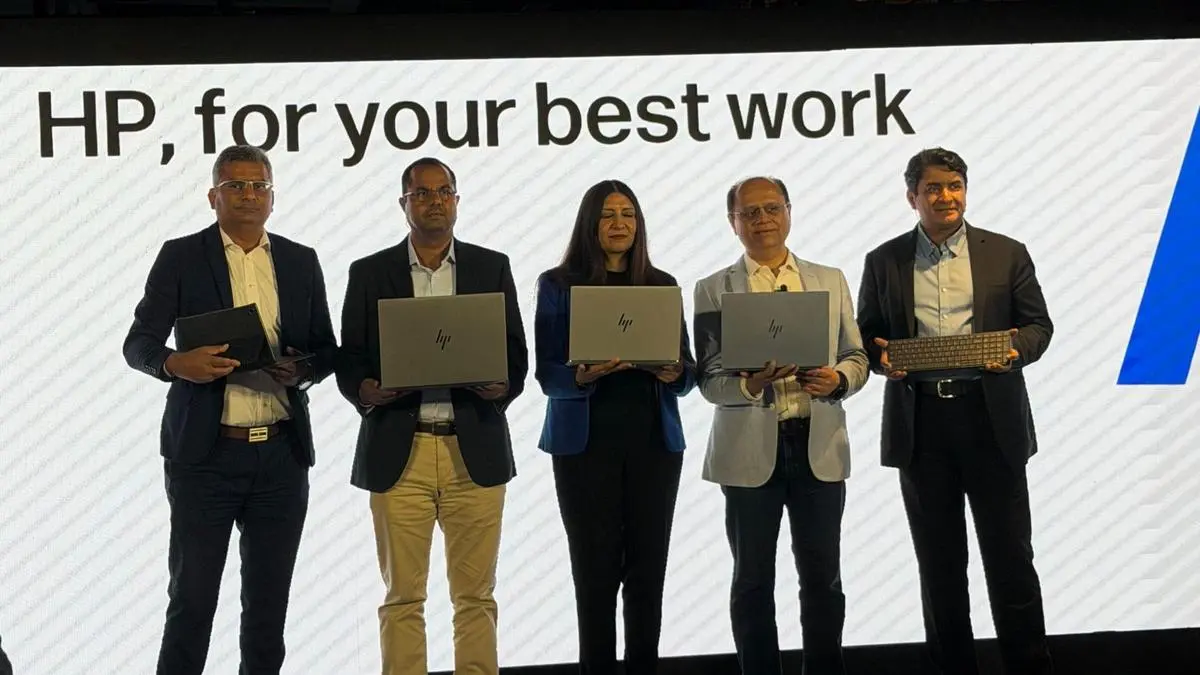
HP has expanded its product ecosystem in India with the launch of its first tablet in the country, alongside a new generation of AI-powered PCs and enterprise-focused solutions. The announcement reflects the company’s growing emphasis on artificial intelligence-driven computing as global PC makers race to integrate AI capabilities into mainstream devices.
The launch comes at a time when India’s demand for premium productivity devices, hybrid work solutions, and AI-ready hardware continues to rise across both consumer and commercial segments.
With this move, HP is attempting to position itself beyond traditional PCs by building a broader intelligent-device ecosystem tailored for students, professionals, creators, and enterprise users.
HP Introduces Its First Tablet in India
A major highlight of the announcement was HP’s entry into the tablet category in India. The company unveiled its first tablet aimed at users seeking portable productivity, entertainment, and AI-assisted computing experiences in a compact form factor.
Industry analysts view the launch as a strategic step, especially as the tablet market has regained momentum due to remote work, digital learning, and rising content consumption trends.
While HP has historically focused on laptops, desktops, and enterprise hardware, entering the tablet segment allows the company to compete more directly with brands such as Apple, Samsung, Lenovo, and Xiaomi, which already have strong positions in India’s growing tablet market.
The tablet is expected to integrate features focused on seamless connectivity, multitasking, cloud collaboration, and AI-enhanced workflows.
New AI PCs Target Productivity and Hybrid Work
Alongside the tablet, HP also introduced a refreshed lineup of AI PCs designed to support modern computing needs. The devices are built around AI-assisted features that aim to improve productivity, personalization, battery optimization, and workflow efficiency.
The new portfolio includes consumer-focused laptops as well as enterprise-grade systems for businesses adopting AI-powered workflows.
HP’s AI PC strategy aligns with a broader industry shift toward on-device AI processing. Instead of relying entirely on cloud-based computing, newer AI PCs increasingly use dedicated neural processing units (NPUs) capable of handling AI tasks locally. This helps improve speed, privacy, and energy efficiency.
The company highlighted features such as:
- AI-assisted meeting enhancements
- Intelligent noise cancellation
- Real-time transcription and summarization
- Adaptive performance optimization
- AI-enhanced security tools
- Personalized productivity experiences
These capabilities are becoming key differentiators in the premium PC segment as users increasingly expect built-in AI assistance across everyday tasks.
Enterprise Solutions Remain a Core Focus
Beyond consumer hardware, HP also announced new enterprise solutions targeting businesses navigating digital transformation and hybrid work environments.
The company emphasized security, device management, collaboration tools, and workforce productivity as central themes of its enterprise strategy.
Businesses are increasingly looking for integrated ecosystems that combine hardware, software, and AI-driven management tools. HP’s latest offerings appear designed to strengthen its appeal among corporate customers seeking scalable and secure AI-ready infrastructure.
Industry experts say enterprise adoption of AI PCs could accelerate significantly over the next few years as organizations modernize workplaces and deploy AI-assisted applications across departments.
India Emerging as a Key AI Computing Market
HP’s expanded launch strategy also underlines India’s growing importance in the global technology ecosystem. India has become one of the fastest-growing markets for premium laptops, creator-focused devices, and enterprise computing hardware.
Research firms have projected strong momentum in AI PC adoption globally, with manufacturers increasingly positioning AI as the next major evolution in personal computing.
The Indian market, in particular, is seeing rising demand from:
- Remote and hybrid workers
- Startup ecosystems
- Content creators
- Students and educators
- Enterprises upgrading legacy systems
As AI tools become more integrated into operating systems and productivity platforms, hardware makers are now competing to deliver optimized AI experiences directly on devices.
Competition in the AI PC Segment Intensifies
HP’s announcement comes amid intensifying competition among global technology brands including Dell, Lenovo, ASUS, Acer, Samsung, Apple, and Microsoft-backed PC manufacturers.
Most major companies are now rapidly introducing AI-enabled systems powered by the latest processors from Intel, AMD, and Qualcomm. The market is shifting toward devices capable of supporting generative AI workloads, smart assistants, and advanced productivity features without depending entirely on internet-based processing.
Experts believe AI PCs could become mainstream over the next few years, similar to how ultrabooks and touchscreen devices evolved into standard categories over the past decade.
For HP, expanding into tablets while strengthening its AI PC lineup may help the company diversify its product strategy and deepen its presence across multiple computing categories.
What This Means for Consumers and Businesses
For consumers, the latest launches indicate that AI features are moving rapidly from premium experimentation to mainstream usability. Buyers can expect future devices to offer more automation, personalization, and intelligent assistance integrated directly into hardware experiences.
For businesses, the shift toward AI-enabled computing could improve workflow automation, collaboration efficiency, cybersecurity management, and employee productivity.
The success of HP’s broader AI strategy in India will likely depend on pricing, ecosystem integration, long-term software support, and how effectively the company differentiates its AI experiences from competitors.
The Bigger Picture
HP’s latest India launch reflects a wider transformation taking place across the global PC industry. AI is no longer being treated as an optional software feature but as a foundational layer shaping the future of personal and enterprise computing.
By entering the tablet segment and expanding its AI PC ecosystem simultaneously, HP is signaling a long-term commitment to intelligent computing experiences designed for a rapidly evolving digital workforce.
As competition intensifies and AI adoption accelerates, the coming years could redefine how consumers and businesses interact with everyday computing devices.