 TECH TIMES NEWS
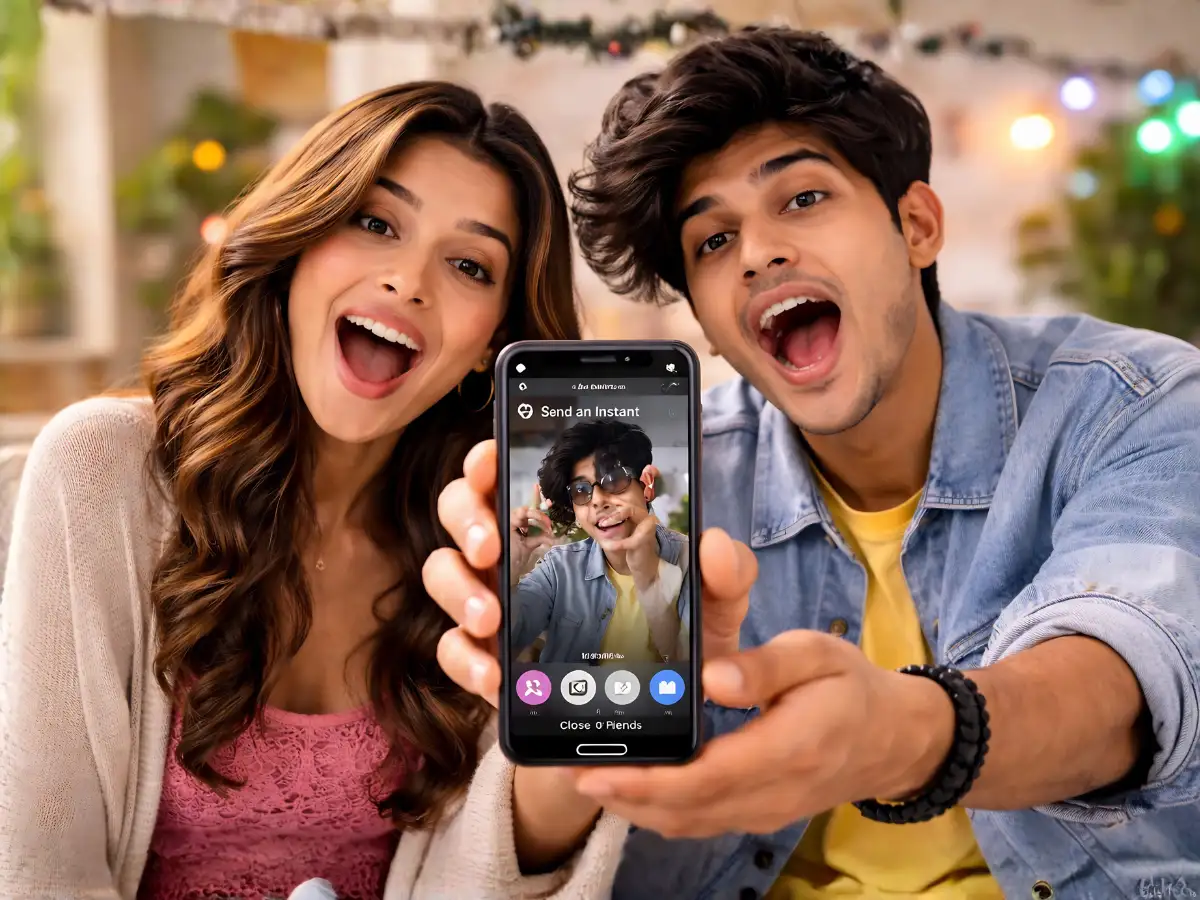
Instagram’s latest experimental feature, called “Instants,” is generating concern among users who fear they may accidentally send selfies or candid photos without intending to. The feature, which aims to encourage faster and more spontaneous photo sharing, has quickly become a topic of debate across social media platforms and online forums.
Several users have begun requesting an option to disable or opt out of the tool entirely, arguing that the design could lead to awkward or unintended image sharing. While Meta has not announced any rollback plans, the reaction highlights increasing user sensitivity around privacy and real-time social interactions.
The feature appears to align with a broader industry trend where social media companies are prioritizing immediacy and casual engagement over carefully curated posting. However, many users say the pressure to share instantly may come at the cost of comfort and control.
What the Instants Feature Does
Instagram’s Instants feature is designed to make photo exchanges quicker and more interactive, especially within private messaging and close-contact interactions. Early reports suggest the tool encourages users to capture and send images in real time, reducing the gap between taking a photo and sharing it.
The concept resembles features previously popularized by apps like Snapchat and BeReal, both of which built engagement around spontaneous, minimally edited content. Meta has increasingly explored similar formats as it competes for younger audiences seeking more authentic digital experiences.
However, unlike traditional Instagram posts where users can review, edit, or carefully select images before publishing, critics argue that Instants may increase the likelihood of accidental uploads or unintended camera captures.
Some users specifically worry about front-camera activation and unintentional selfies being shared during routine app use.
Demand Grows for an Opt-Out Setting
A major criticism surrounding Instants is the absence of clear user controls. Many Instagram users say they would feel more comfortable if Meta introduced a dedicated toggle allowing them to disable the feature entirely.
Privacy advocates note that opt-in systems are generally better received than automatic rollouts, especially when camera access and personal imagery are involved. Experts say users increasingly expect platforms to provide granular control over how features interact with their devices and personal content.
“People are becoming more cautious about apps that encourage impulsive sharing,” said a social media analyst familiar with digital engagement trends. “Users want convenience, but they also want reassurance that nothing will be shared accidentally.”
The discussion reflects a broader shift in consumer expectations around transparency and consent in social platforms.
Why Meta Is Pushing Real-Time Sharing Features
Meta has spent the past few years reshaping Instagram from a polished photo-sharing platform into a faster, engagement-focused social ecosystem. Features such as Notes, Broadcast Channels, short-form Reels, and AI-powered recommendations have all been introduced to increase user interaction and session time.
Real-time content sharing has become especially important as platforms compete with TikTok, Snapchat, and emerging social apps for younger demographics. Industry analysts say spontaneous content tends to generate stronger emotional engagement and more frequent app usage.
According to multiple market research reports, Gen Z users increasingly prefer casual, temporary, and less curated interactions compared to traditional social media posting habits. Features like Instants are likely designed with this behavioral trend in mind.
Still, user backlash suggests that balancing convenience with privacy remains a challenge for major tech companies.
Privacy Concerns Continue to Shape Social Media Conversations
The reaction to Instants arrives at a time when technology companies are facing greater scrutiny over user privacy, data handling, and app permissions. Camera-related features, in particular, often trigger stronger responses because they directly involve personal imagery and device access.
Even if no major privacy violation exists, experts say unclear feature behavior can quickly create distrust among users. Concerns over accidental sharing are often amplified by previous controversies involving social media platforms and user data practices.
Digital rights observers argue that companies introducing camera-first experiences should prioritize transparency through onboarding prompts, permission explanations, and easy-to-find settings controls.
For Instagram, the current criticism may serve as a reminder that users increasingly value control as much as innovation.
Meta Yet to Clarify Future Changes
As discussion around the feature grows, Meta has not publicly confirmed whether an opt-out option will be added or whether the rollout strategy will change. The company has historically tested experimental features with limited groups before expanding availability globally.
It remains unclear how widely Instants has been deployed or whether user feedback will significantly alter its final implementation. However, strong reactions online suggest that privacy-focused design choices could become a deciding factor in how users embrace the feature.
For now, many Instagram users are closely watching future updates, hoping the platform introduces clearer safeguards before expanding real-time sharing tools further.
The Bigger Picture for Instagram
The Instants controversy underscores a growing tension within social media design: platforms want frictionless engagement, while users increasingly demand control over what they share and when they share it.
Instagram’s challenge will be finding a balance between spontaneity and user comfort. Features designed to feel natural and immediate can boost engagement, but even small design oversights can create significant trust concerns.
As competition intensifies across the social media industry, user trust may become just as important as innovation in determining which platforms succeed long term.