 TECH TIMES NEWS
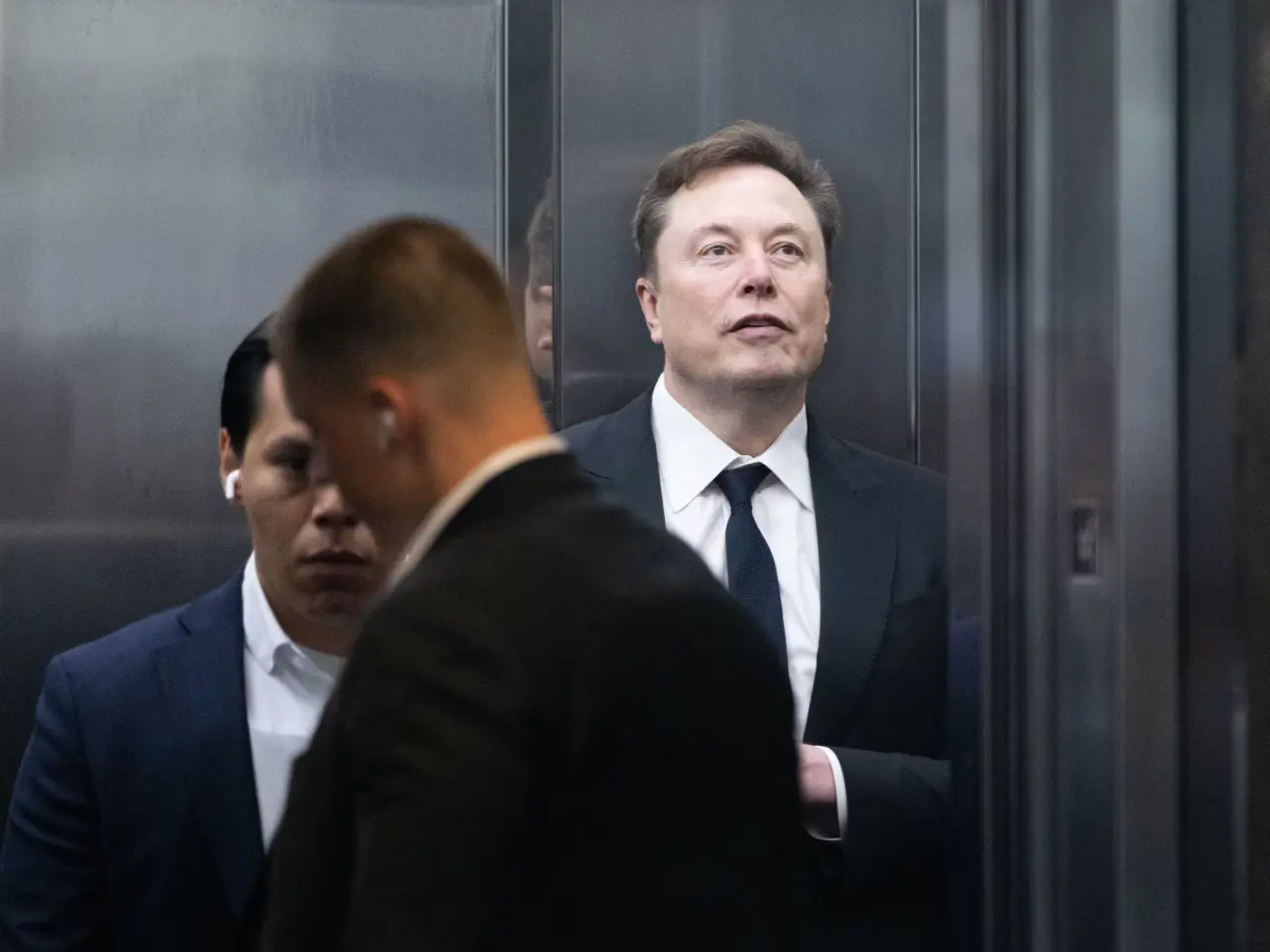
A closely watched legal showdown between Elon Musk and OpenAI has intensified, with one of the company’s co-founders facing pointed questioning over a reported $30 billion stake tied to the organization’s evolving structure. The case, unfolding in a U.S. court, is no longer just a personal dispute—it has become a referendum on how one of the world’s most influential AI companies transformed from a nonprofit initiative into a commercial giant.
At the heart of the matter is whether OpenAI’s leadership deviated from its original mission: developing artificial intelligence for the broader benefit of humanity.
The Core Dispute: Mission vs Monetization
Elon Musk, an early backer of OpenAI, has argued that the organization strayed from its founding principles by embracing a profit-driven model and deep partnerships with major corporate players, most notably Microsoft. His legal challenge questions both governance decisions and the allocation of equity—reportedly valued in the tens of billions.
During court proceedings, the co-founder was pressed on how such a massive stake aligns with OpenAI’s original nonprofit framework. The questioning zeroed in on transparency, decision-making authority, and whether financial incentives began to outweigh the organization’s stated ethical commitments.
Understanding the $30 Billion Stake
The figure at the center of the controversy reflects the enormous valuation OpenAI has achieved amid the global AI boom. With generative AI tools reshaping industries—from software development to media—the company’s worth has surged dramatically in recent years.
However, this valuation also complicates the narrative. Critics argue that introducing large financial stakes into an entity originally designed to prioritize public good risks creating conflicts of interest. Supporters, on the other hand, contend that such capital is essential to fund the immense computational and research costs required to stay competitive in the AI race.
Expert Insight: Why Governance Matters in AI
Industry analysts say the case highlights a deeper structural issue within cutting-edge AI firms: balancing innovation with accountability.
“AI is not just another tech vertical—it has societal-scale impact,” said a technology policy expert familiar with similar governance models. “When organizations handling such power shift toward profit maximization, questions about oversight and public interest become unavoidable.”
The trial is expected to influence how future AI companies structure themselves, particularly those that begin with nonprofit intentions but later pivot toward commercial viability.
Microsoft Partnership Adds Another Layer
A significant dimension of the case involves OpenAI’s strategic partnership with Microsoft, which has invested billions into the company and integrated its AI models into products like Azure and enterprise software.
Musk’s legal team has suggested that such alliances may have tilted OpenAI’s priorities toward shareholder value and market dominance. OpenAI, however, has consistently maintained that these partnerships are necessary to scale AI safely and responsibly.
Broader Implications for the Tech Industry
Beyond the individuals involved, the trial could set precedents for how emerging technology firms handle:
- Transitioning from nonprofit to hybrid or for-profit models
- Structuring equity and ownership in mission-driven organizations
- Balancing investor expectations with ethical responsibilities
Governments and regulators are also watching closely, as the outcome may inform future AI policy frameworks, particularly around transparency and accountability.
What Readers Should Take Away
This case is not just about a $30 billion stake or a dispute between high-profile tech figures. It reflects a turning point in the evolution of AI as an industry. The key takeaway: how AI companies are governed today will shape how this powerful technology impacts society tomorrow.
The Road Ahead
As the trial continues, further testimony and internal disclosures could shed light on decisions that have largely remained behind closed doors. Whether the court sides with Musk or OpenAI, the ripple effects will likely extend far beyond Silicon Valley.