 TECH TIMES NEWS
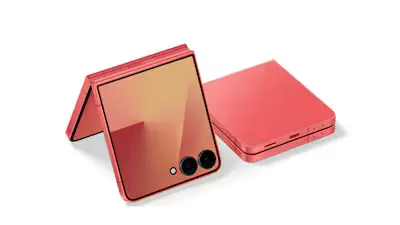
Newly surfaced case renders for the Samsung Galaxy Z Flip 8 are offering an early glimpse into what Samsung may be preparing for its next-generation clamshell foldable. While Samsung has yet to officially confirm details about the device, accessory leaks are once again providing hints about the phone’s physical design and potential hardware upgrades.
The biggest takeaway from the latest renders is the possible addition of Qi2 charging support — a feature that could significantly improve Samsung’s wireless accessory ecosystem and bring the Galaxy Z Flip lineup closer to the convenience offered by magnetic charging systems seen elsewhere in the industry.
The renders also suggest Samsung is sticking with the familiar compact foldable form factor while making subtle refinements to the camera housing, hinge alignment, and accessory compatibility.
Case Cutouts Suggest Magnetic Charging Integration
One of the most discussed details in the leaked renders is the appearance of a circular magnetic ring embedded into some of the cases. This design strongly resembles Qi2-compatible accessories, which use magnetic alignment for improved wireless charging efficiency and accessory attachment.
Qi2 is the next-generation wireless charging standard developed by the Wireless Power Consortium (WPC). The technology introduces magnetic alignment similar to Apple’s MagSafe system, allowing chargers and accessories to snap into the optimal charging position automatically.
Although several Android brands have experimented with magnetic accessories, Samsung has so far avoided fully embracing native magnetic charging in its flagship smartphones. If the Galaxy Z Flip 8 adopts official Qi2 support, it would represent an important shift in Samsung’s hardware strategy.
Industry analysts believe Samsung has been under increasing pressure to strengthen its ecosystem integration as foldable competition intensifies globally.
Why Qi2 Support Could Matter for Samsung Users
Qi2 compatibility would not simply be a minor specification upgrade. It could reshape how users interact with Samsung accessories and third-party products.
Magnetic charging support opens the door for a broader ecosystem that may include:
- Magnetic wireless chargers
- Snap-on battery packs
- Foldable-compatible wallets
- Magnetic car mounts
- Gaming accessories
- Desktop docking systems
For foldable devices specifically, magnetic attachment systems can improve usability because traditional accessories often struggle with unconventional folding form factors.
Samsung users have increasingly relied on aftermarket magnetic cases to imitate MagSafe-style functionality. Native Qi2 integration would eliminate many of the alignment and charging efficiency limitations associated with unofficial solutions.
The move could also encourage wider adoption of universal magnetic accessories across the Android ecosystem.
Design Changes Appear Incremental Rather Than Radical
Based on the leaked case renders, Samsung does not appear to be radically redesigning the Galaxy Z Flip 8. Instead, the company seems focused on refinement.
The camera cutouts indicate a vertically aligned dual-camera system similar to previous generations, though the surrounding layout appears cleaner and more symmetrical. Some renders also hint at slightly adjusted dimensions that may suggest thinner bezels or a refined hinge mechanism.
Samsung’s foldable strategy in recent years has leaned heavily toward durability improvements rather than dramatic cosmetic overhauls. The company has gradually improved hinge strength, crease visibility, water resistance, and software optimization across the Z Flip lineup.
That trend appears likely to continue with the Galaxy Z Flip 8.
Foldable Competition Is Becoming More Aggressive
Samsung remains the dominant player in the global foldable smartphone market, but competition has become significantly stronger over the past two years.
Brands including Motorola, Honor, Xiaomi, Oppo, and Huawei have aggressively expanded their foldable portfolios with thinner designs, larger cover displays, and faster charging systems.
Motorola’s Razr series, in particular, has gained attention for offering large external displays and improved usability in compact foldables. Chinese manufacturers have also pushed hardware innovation faster in areas such as battery density and lightweight construction.
For Samsung, adding Qi2 support could be part of a broader strategy to maintain leadership not only through hardware reliability but also through ecosystem convenience.
Accessory Leaks Often Reveal Early Hardware Direction
Accessory manufacturers frequently receive early dimensional data from smartphone companies before official launches. As a result, case leaks have historically provided accurate insights into button placement, camera layouts, and charging-related hardware changes.
However, it is still important to approach early renders cautiously. Samsung could finalize different hardware configurations before launch, and some accessory makers occasionally create speculative designs based on industry rumors rather than confirmed specifications.
Still, the repeated appearance of magnetic ring elements across multiple renders has strengthened speculation surrounding Qi2 adoption.
Samsung’s Larger Ecosystem Ambitions May Be Expanding
Samsung has increasingly emphasized ecosystem connectivity across smartphones, tablets, wearables, TVs, and smart home devices. Bringing Qi2 support to foldables could align with the company’s broader push toward seamless accessory interoperability.
The timing also makes strategic sense. Qi2 adoption across the industry is expected to accelerate in 2026 as more Android manufacturers embrace the standard.
If Samsung introduces native magnetic charging support in the Galaxy Z Flip 8, the company could help accelerate mainstream Android adoption while giving accessory makers greater confidence to invest in cross-platform products.
Expected Launch Timeline
Samsung has not officially announced the Galaxy Z Flip 8 yet, but the company traditionally unveils its foldable lineup during its mid-year Galaxy Unpacked event.
Industry expectations currently point toward a launch window in the second half of 2026, alongside the Galaxy Z Fold 8 and new Galaxy ecosystem products.
Additional leaks regarding display upgrades, chipset details, battery improvements, and AI-powered software features are expected to emerge in the coming months as Samsung moves closer to launch.
What the Leak Ultimately Tells Us
The latest Galaxy Z Flip 8 case renders may appear minor at first glance, but they point toward a potentially meaningful evolution for Samsung’s foldable lineup.
Rather than reinventing the clamshell foldable design, Samsung seems focused on improving practicality, ecosystem compatibility, and day-to-day convenience. Qi2 support, if confirmed, could become one of the most important usability upgrades introduced to Samsung foldables in recent years.
For consumers, that would mean easier charging, broader accessory support, and a more unified premium smartphone experience — areas that are becoming increasingly important as foldable devices move closer to mainstream adoption.