 TECH TIMES NEWS
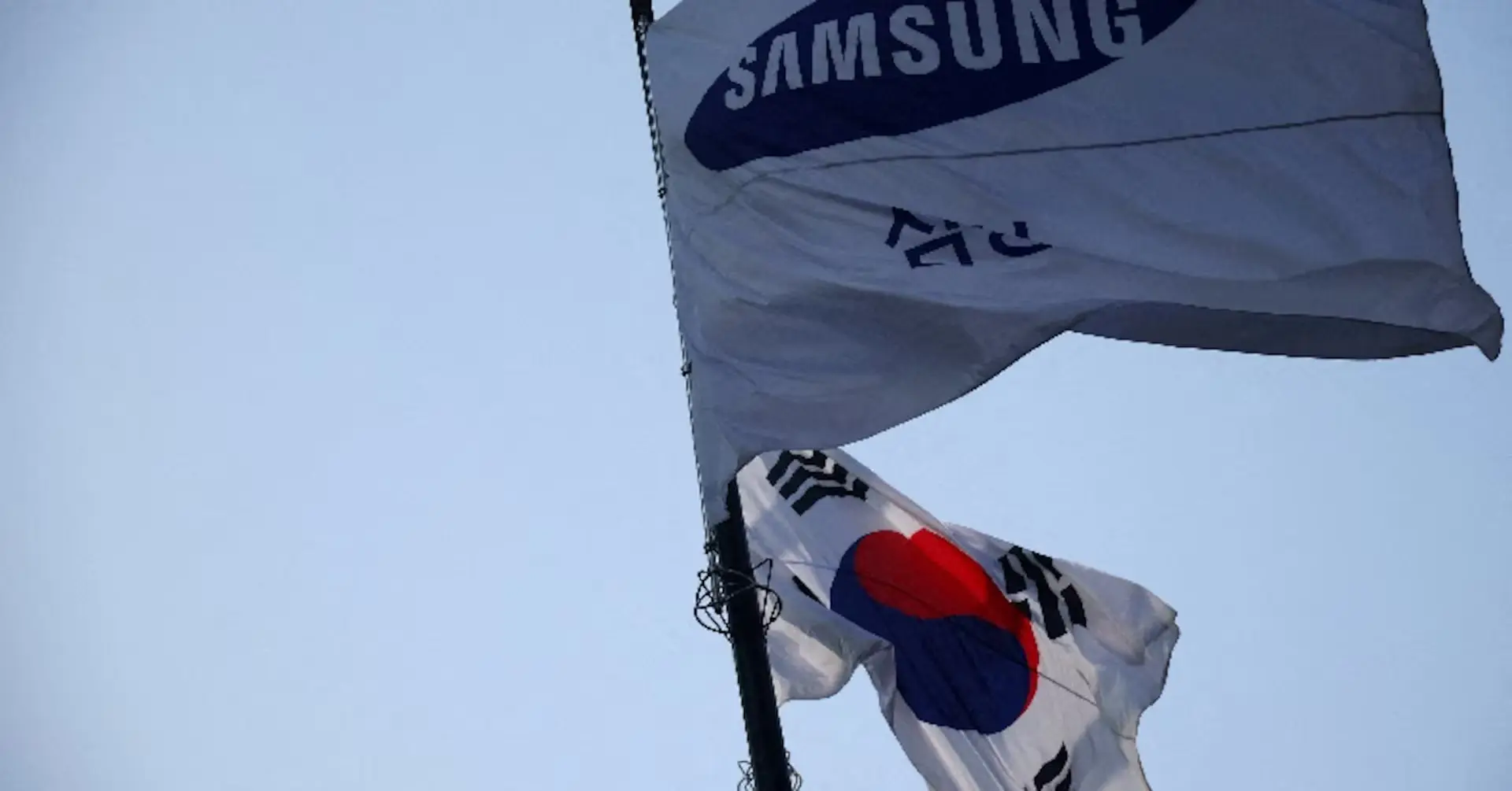
South Korea’s government has said it will pursue every possible option to prevent a major strike at Samsung Electronics, as labor tensions escalate at one of the world’s most important technology companies. The statement comes amid growing concerns that industrial action could disrupt semiconductor production during a period of soaring global demand for AI-related chips.
Officials from South Korea’s labor ministry confirmed they are closely monitoring negotiations between Samsung management and labor unions. Authorities are encouraging both sides to continue discussions and avoid actions that could negatively affect the country’s economy and technology exports.
Samsung Electronics remains central to South Korea’s industrial strength, accounting for a significant share of the nation’s exports through its semiconductor, smartphone, and display businesses.
Why the Samsung Strike Matters Globally
Any disruption inside Samsung’s manufacturing network would extend beyond South Korea. The company is one of the world’s largest producers of memory chips, including DRAM and NAND flash, components used in smartphones, servers, AI infrastructure, and consumer electronics.
The timing is especially sensitive because global demand for high-bandwidth memory (HBM) chips and advanced semiconductors has surged due to the rapid expansion of artificial intelligence systems. Samsung is competing aggressively with rivals such as SK Hynix and Micron Technology in the AI memory race.
Industry analysts warn that even a limited slowdown in production could tighten global chip supplies and affect prices across several technology sectors.
“Samsung’s semiconductor output is deeply integrated into global electronics manufacturing,” said one Seoul-based market analyst. “Any uncertainty around production immediately becomes an international concern.”
What Workers and Unions Are Demanding
Samsung’s labor unions have been pushing for higher wages, improved bonuses, and better working conditions. Employee groups argue that workers should receive a larger share of profits as Samsung benefits from renewed semiconductor demand and AI-driven growth.
Union activity at Samsung has gained momentum in recent years, marking a major cultural shift for a company historically known for maintaining a strongly anti-union corporate environment.
Workers have also raised concerns over transparency in compensation structures and long-term employment protections. Some union representatives argue that employee contributions have become increasingly critical as Samsung accelerates investments in advanced chip manufacturing.
Negotiations between management and labor representatives have continued intermittently, but disagreements over compensation and benefit packages remain unresolved.
Government Concern Reflects Samsung’s Economic Importance
South Korea’s decision to publicly intervene highlights Samsung’s strategic importance to the national economy. The company contributes heavily to exports, employment, tax revenues, and international competitiveness in advanced technologies.
Semiconductors remain South Korea’s largest export category, and Samsung is one of the country’s biggest corporate employers. A prolonged strike could create ripple effects across supply chains linked to electronics manufacturing, logistics, and global technology partners.
The government has not detailed specific intervention measures but indicated it would continue mediation efforts and maintain communication with both parties.
Labor experts say Seoul is likely aiming to prevent a repeat of broader industrial disruptions seen in other major manufacturing sectors globally.
AI Boom Adds Pressure on Samsung Operations
The labor dispute arrives at a time when semiconductor manufacturers are racing to expand capacity for AI infrastructure. Major technology companies including Microsoft, Google, Amazon, and Meta are increasing spending on AI servers and data centers, driving strong demand for advanced memory chips.
Samsung has been investing heavily in next-generation semiconductor technologies, particularly HBM chips designed for AI accelerators produced by companies like Nvidia and AMD.
However, competition in this segment has intensified. Rival SK Hynix has recently gained attention for securing strong demand from AI chipmakers, putting additional pressure on Samsung to maintain stable production and execution.
Analysts say labor instability could complicate Samsung’s efforts to strengthen its position in the high-margin AI semiconductor market.
Investors Watching Negotiations Closely
Financial markets are also paying close attention to the situation. Investors typically view labor disputes at major semiconductor firms as a risk factor because chip manufacturing depends on highly coordinated production schedules and operational precision.
While short-term strikes may have limited impact, extended disruptions could influence quarterly earnings, shipment targets, and customer confidence.
Samsung has not publicly indicated that production lines have been significantly affected so far. The company continues to emphasize dialogue with workers and efforts toward a negotiated settlement.
Market observers expect further negotiations in the coming days as both the government and industry stakeholders seek to avoid escalation.
Broader Shift in South Korea’s Tech Labor Landscape
The developments at Samsung also reflect broader changes within South Korea’s corporate culture. Employees across the country’s technology and manufacturing sectors have become increasingly vocal about compensation, work-life balance, and labor rights following years of rapid corporate expansion.
The rise of organized labor activity inside major tech firms represents a notable transition for industries that traditionally prioritized centralized corporate control and aggressive production targets.
Experts believe the outcome of Samsung’s negotiations could influence labor strategies across South Korea’s wider technology sector.
As talks continue, the global semiconductor industry will be watching closely. Samsung’s ability to balance workforce demands with operational stability could shape not only its competitive position, but also broader confidence in the resilience of global chip supply chains.