 TECH TIMES NEWS
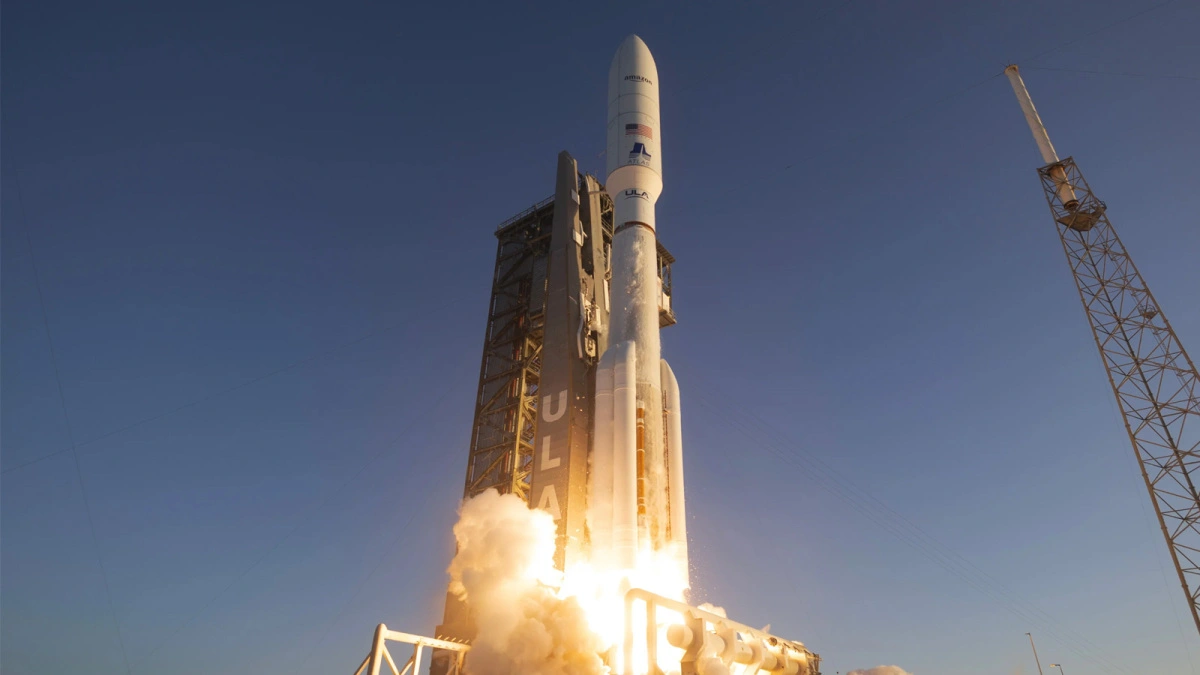
United Launch Alliance (ULA) has successfully launched 29 Amazon Project Kuiper satellites aboard its Atlas V rocket, signaling a significant return-to-flight milestone for the veteran launch vehicle. The mission lifted off from Cape Canaveral Space Force Station, reinforcing Atlas V’s continued role in commercial and government payload delivery despite the gradual transition toward newer systems like ULA’s Vulcan rocket.
This launch is particularly important as it restores operational momentum for Atlas V following earlier scheduling disruptions and aligns with ULA’s commitment to meet increasing demand for satellite deployment.
Project Kuiper Gains Deployment Momentum
For Amazon, the mission represents another step forward in its ambitious Project Kuiper initiative—a planned constellation of over 3,200 low Earth orbit (LEO) satellites aimed at delivering high-speed, low-latency internet globally. With 29 additional satellites now in orbit, Amazon continues to build the foundation of a network designed to compete directly with SpaceX’s Starlink and other emerging players like OneWeb.
Amazon has committed to deploying a significant portion of its constellation within regulatory deadlines, making each successful launch strategically important. The company is leveraging multiple launch providers, including ULA, Arianespace, and Blue Origin, to accelerate deployment timelines and reduce dependency risks.
Technical Overview: Atlas V and Payload Configuration
The Atlas V rocket used in this mission remains one of the most reliable launch vehicles in operation, boasting a long track record of successful flights. Typically configured with a Common Core Booster powered by the RD-180 engine and optional solid rocket boosters, Atlas V can deliver payloads to a variety of orbits with high precision.
The 29 Kuiper satellites were deployed into low Earth orbit, where they will undergo a series of orbital adjustments and system checks before entering operational service. Each satellite is equipped with advanced phased-array antennas and inter-satellite communication capabilities designed to ensure efficient data routing and minimal latency.
Strategic Context: Intensifying Satellite Internet Competition
The successful deployment highlights the intensifying competition in the satellite internet sector. SpaceX’s Starlink currently leads the market with thousands of satellites already in orbit and millions of users worldwide. However, Amazon’s entry introduces a formidable competitor backed by deep financial resources, cloud infrastructure integration via AWS, and a strong global logistics network.
Industry analysts note that while Starlink has a first-mover advantage, Kuiper could differentiate itself through pricing strategies, enterprise integration, and partnerships in underserved regions.
Why This Mission Matters for the Broader Space Industry
Beyond Amazon’s ambitions, the mission underscores a broader trend: the rapid expansion of LEO satellite constellations and the growing reliance on private launch providers. Demand for launch services is rising sharply, pushing companies like ULA to maintain high reliability while transitioning to next-generation rockets.
The return of Atlas V also provides reassurance to customers awaiting critical payload launches, especially as the industry navigates supply chain constraints and evolving regulatory frameworks.
What Comes Next for Kuiper and ULA
Amazon is expected to ramp up launch cadence in the coming months, with multiple missions planned to meet deployment milestones. Meanwhile, ULA is gradually shifting focus toward its next-generation Vulcan Centaur rocket, which is designed to offer improved cost efficiency and performance.
In the near term, Atlas V will continue to play a vital role in bridging this transition, ensuring that high-priority missions—such as Kuiper deployments—remain on schedule.
Key Takeaway
This launch is more than just another satellite deployment—it represents a convergence of reliability, competition, and long-term strategy in the space industry. As Amazon accelerates its Kuiper rollout, the race to dominate global satellite internet is entering a new phase, with significant implications for connectivity, technology infrastructure, and market dynamics worldwide.