 TECH TIMES NEWS
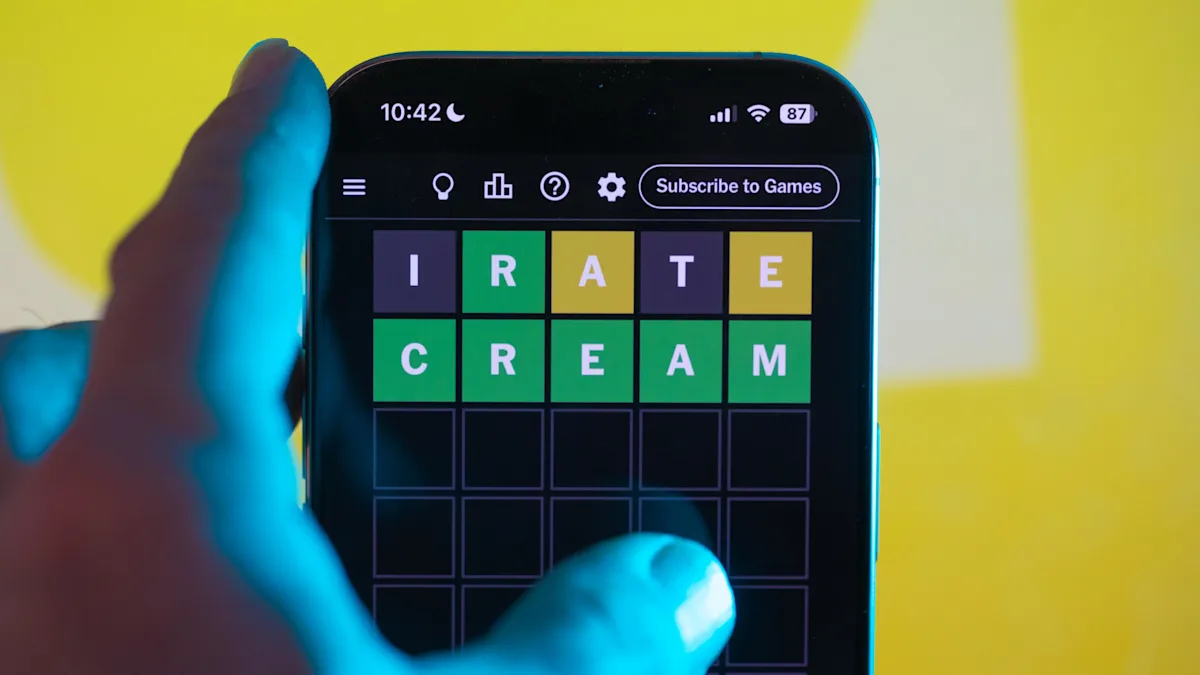
What started as a simple five-letter word puzzle shared among friends has evolved into one of the most influential entertainment phenomena of the digital era. Now, Wordle’s transition toward primetime-style media formats is signaling something larger than just another game adaptation — it reflects how publishers, broadcasters, and streaming platforms are rethinking audience engagement in an increasingly fragmented media landscape.
As traditional television networks struggle to hold viewer attention against short-form video apps, streaming fatigue, and social media distractions, puzzle-based entertainment is emerging as a surprisingly powerful solution. Wordle, acquired by The New York Times in 2022 after exploding in popularity worldwide, demonstrated that minimalism, accessibility, and daily participation can create extraordinary levels of user loyalty.
That success has encouraged media companies to explore whether puzzle formats can become a broader entertainment category capable of thriving across television, mobile apps, live events, and subscription ecosystems.
Why Media Companies Are Betting on Puzzle Entertainment
The renewed interest in puzzles comes at a time when entertainment businesses are aggressively searching for sustainable audience models. Unlike expensive scripted productions or blockbuster streaming projects, puzzle-based content offers relatively low production costs while maintaining strong repeat engagement.
Industry analysts say this makes puzzle formats particularly attractive in an environment where advertising revenue remains unpredictable and subscriber growth has slowed across several digital platforms.
Wordle’s success revealed several characteristics that media companies now want to replicate:
- Daily habit-forming engagement
- High social media shareability
- Low learning curve for users
- Cross-generational appeal
- Strong retention potential
- Minimal technological barriers
Unlike many modern games that demand long play sessions or high-end hardware, Wordle’s simplicity became its biggest strength. The game encouraged users to return every day without overwhelming them with notifications, complex mechanics, or aggressive monetization.
That balance between entertainment and accessibility is now influencing broader media strategies.
The New York Times Turned Wordle Into a Digital Retention Engine
When The New York Times purchased Wordle, many observers initially viewed the deal as a niche acquisition centered on internet culture. Over time, however, the strategy became clearer.
The company integrated Wordle into its expanding games portfolio alongside Crossword, Spelling Bee, Connections, and other puzzle products. Games quickly became one of the publication’s strongest engagement categories, helping the company strengthen digital subscriptions and increase the amount of time users spent within its ecosystem.
According to publicly discussed company trends over recent years, millions of users now engage with NYT Games regularly, making puzzles an increasingly valuable component of subscriber retention.
Media strategists note that puzzles offer something rare in modern digital consumption: consistency. While viral videos or trending stories often generate temporary spikes, daily games create recurring behavioral patterns.
That consistency is extremely valuable for publishers attempting to build long-term digital relationships with readers and viewers.
Primetime Adaptations Reflect a Larger Entertainment Shift
The idea of bringing puzzle formats into primetime television may once have sounded unconventional. But industry executives increasingly believe audiences are looking for participatory entertainment rather than passive viewing experiences.
This shift can already be seen across several entertainment categories:
- Interactive streaming experiments
- Live trivia competitions
- Audience-driven reality formats
- Mobile-connected TV experiences
- Social media-integrated game shows
Wordle’s popularity proved that viewers enjoy solving challenges collectively, discussing strategies online, and comparing results in a low-pressure social environment.
Television producers are now attempting to capture that same communal energy in broadcast-friendly formats.
Experts believe puzzle-based programming could especially appeal to younger audiences who have grown accustomed to engaging with content rather than simply watching it.
The Rise of “Comfort Entertainment” in a High-Stress Digital Era
Another major reason behind the puzzle resurgence is psychological. Entertainment researchers increasingly describe casual puzzles as “comfort content” — experiences that provide stimulation without emotional exhaustion.
In an online environment dominated by algorithm-driven outrage, doomscrolling, and constant notifications, many users are gravitating toward lighter forms of engagement.
Wordle became successful partly because it offered a brief, manageable daily challenge without overwhelming users with endless content feeds.
That emotional simplicity matters.
Media psychologists suggest puzzle games activate a sense of achievement and routine while avoiding the fatigue associated with hyper-competitive gaming or emotionally intense streaming content.
For television networks and publishers, that creates an opportunity to develop entertainment formats built around relaxation, participation, and habit.
Broadcasters Face Pressure to Innovate Traditional Game Shows
The game-show category itself has remained remarkably resilient for decades, but younger audiences increasingly consume entertainment differently than previous generations.
Traditional formats built around long episodes and passive spectatorship now compete against:
- TikTok-sized attention spans
- Interactive mobile games
- Livestream culture
- Real-time social commentary
- Personalized content feeds
By integrating recognizable digital puzzle brands such as Wordle into television experiences, broadcasters hope to modernize classic game-show structures while leveraging existing audience familiarity.
This strategy also reduces risk. Established puzzle brands already possess built-in recognition and online communities, making it easier to market adaptations across platforms.
Industry insiders compare the trend to how entertainment companies previously transformed quiz shows, board games, and esports into broader media franchises.
Puzzle Media Could Become a Valuable Advertising Category
Advertisers are also paying attention to the puzzle entertainment boom.
Unlike controversial social media environments or fragmented digital spaces, puzzle audiences are often perceived as highly engaged and brand-safe. Word games, trivia formats, and casual brain-training content tend to attract broad demographic groups, including older users with strong purchasing power.
That makes puzzle ecosystems attractive for:
- Sponsorship integrations
- Subscription bundles
- Cross-platform advertising campaigns
- Brand partnerships
- Educational collaborations
Some analysts believe puzzle media could eventually occupy a middle ground between gaming and traditional entertainment, creating new monetization opportunities without the volatility seen in more competitive gaming sectors.
The Bigger Challenge: Keeping Simplicity Intact
Despite growing industry enthusiasm, adapting Wordle-style experiences for larger entertainment formats carries risks.
One of the original game’s biggest strengths was its restraint. Wordle succeeded partly because it avoided excessive commercialization, intrusive advertising, and complicated mechanics.
Media companies attempting to expand puzzle entertainment too aggressively could undermine the qualities that made the format appealing in the first place.
Entertainment consultants warn that audiences may quickly reject overproduced adaptations if they feel disconnected from the original simplicity and social charm.
Maintaining authenticity while scaling engagement will likely determine whether puzzle-based media becomes a lasting category or simply another short-lived entertainment experiment.
Puzzle Reinvention Signals a Broader Industry Reset
The growing interest in Wordle-inspired entertainment reflects a wider transformation happening across the media business.
After years of prioritizing massive streaming budgets, algorithmic recommendation systems, and endless content libraries, many companies are rediscovering the value of smaller, repeatable, community-driven experiences.
In many ways, Wordle represents the opposite of modern digital excess:
- One puzzle per day
- Minimal interface
- Short interaction time
- Strong social connection
- Low technological complexity
Yet that formula generated extraordinary cultural influence.
For media executives, the lesson is increasingly clear: audiences do not always want bigger entertainment experiences. Sometimes they want smarter, simpler, and more interactive ones.
What Comes Next for Puzzle Entertainment?
The next phase of puzzle media will likely extend beyond television alone.
Analysts expect future experimentation in areas such as:
- Live multiplayer puzzle broadcasts
- AI-personalized game experiences
- Interactive streaming integrations
- Educational entertainment hybrids
- Cross-device social competitions
- Augmented reality puzzle formats
As entertainment companies continue searching for sustainable engagement models, puzzle ecosystems may become an increasingly important pillar of digital media strategy.
Whether Wordle itself becomes a long-term primetime success remains uncertain. But its influence on how companies think about audience participation, retention, and interactive entertainment is already reshaping the industry.
And in a media environment dominated by constant noise, the quiet success of a simple word puzzle may ultimately prove more disruptive than anyone expected.
Conclusion
Wordle’s evolution from a minimalist browser game into a potential primetime entertainment property highlights a major shift in modern media strategy. Publishers and broadcasters are no longer focused solely on maximizing screen time — they are increasingly prioritizing habit, interaction, and community engagement.
The rise of puzzle entertainment suggests audiences are embracing content that feels approachable, participatory, and mentally rewarding without becoming overwhelming.
For the media industry, that may be one of the most important lessons of the post-streaming era.
And for viewers, it signals that the future of entertainment might not always come from massive cinematic universes or expensive productions. Sometimes, it starts with five letters and one daily challenge.