
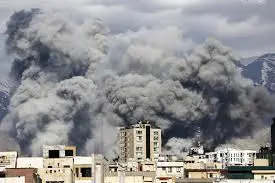
Artificial intelligence–generated satellite images are increasingly being used to spread misinformation about a supposed military confrontation between the United States and Iran. Over the past few weeks, several images circulated widely on social media platforms claiming to show damaged military bases, missile strikes, and troop deployments. However, analysts and fact-checkers say many of these visuals were not captured by real satellites but were instead created using generative AI tools.
Experts warn that the realistic nature of these images is making it harder for ordinary users to distinguish authentic intelligence imagery from fabricated content.
False Claims of Attacks and Military Damage
Some of the viral images claimed to show Iranian missile strikes destroying U.S. military installations in the Middle East. Others allegedly depicted American warships assembling near Iranian waters or secret airbases preparing for strikes. Investigations by digital verification teams found inconsistencies in the imagery, including distorted building shapes, unrealistic shadows, and map features that do not match known geographic data.
Satellite imagery experts explained that genuine high-resolution satellite images usually come with metadata, timestamps, and verifiable sources—features missing in the widely shared posts.
Disinformation Amplified by Social Media
The misleading images spread rapidly across platforms such as X, Facebook, and Telegram, where geopolitical tensions often attract high engagement. Many posts paired the images with dramatic captions predicting an imminent war between the United States and Iran. In several cases, the posts gained thousands of shares before fact-checkers flagged them as fabricated.
Researchers studying online misinformation say generative AI tools have dramatically lowered the barrier for creating convincing fake visuals. What once required advanced graphic design skills can now be done in minutes using AI image generators.
Experts Warn of Security Risks
Security analysts believe that the spread of AI-generated satellite imagery poses a serious risk to global information security. During periods of geopolitical tension, fabricated images can inflame public sentiment, trigger panic, or influence political narratives.
Some specialists fear that coordinated disinformation campaigns could deliberately use AI-generated visuals to manipulate public opinion or create confusion during real-world conflicts.
Calls for Stronger Verification Tools
Technology experts and researchers are urging social media companies and governments to develop better detection tools for AI-generated content. They recommend watermarking AI-created images, improving fact-checking systems, and educating the public about identifying manipulated media.
As generative AI technology becomes more sophisticated, analysts warn that distinguishing truth from fabricated imagery will become one of the biggest challenges in the digital information ecosystem.