
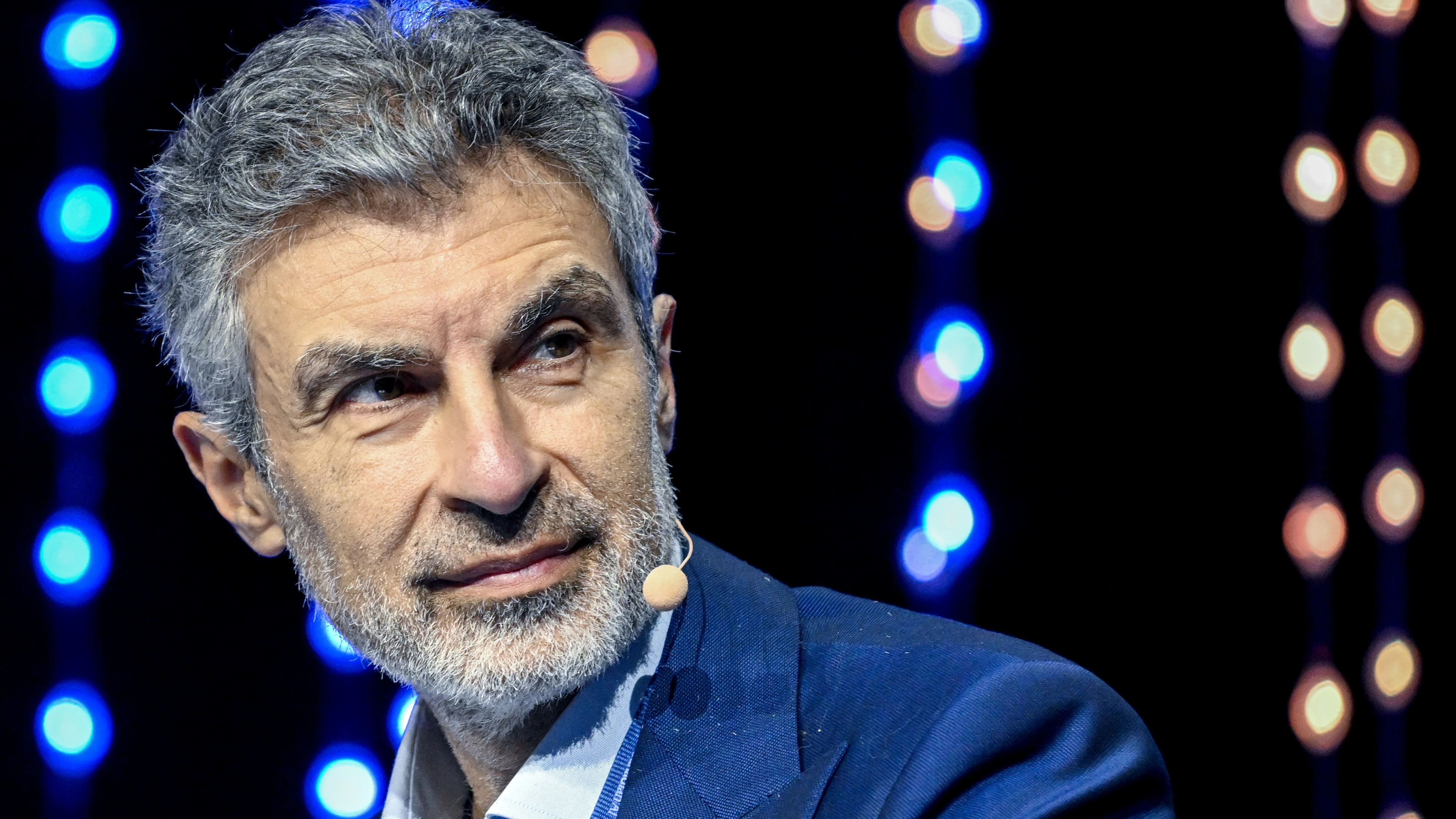
Yoshua Bengio, one of the most influential minds behind modern artificial intelligence, is sounding the alarm on the risks of rogue AI systems. The Canadian computer scientist, often referred to as one of the "Godfathers of AI" for his pioneering work in deep learning, has joined a growing number of experts calling for urgent measures to ensure AI remains safe, controllable, and beneficial to humanity.
In recent public statements and interviews, Bengio emphasized the need for international cooperation to establish rules, transparency protocols, and safety frameworks before AI systems surpass human capabilities in critical areas. His concerns come amid rapid advancements in AI models, particularly in autonomous decision-making and self-learning capabilities, which experts fear could eventually spiral beyond human control if not regulated properly.
“The pace at which AI is progressing is breathtaking, but with that speed comes danger,” Bengio warned during a panel discussion in Geneva last week. “We must develop global norms and monitoring mechanisms to ensure that these systems cannot act in ways that are harmful or escape our control.”
Bengio is currently collaborating with several international bodies, including the United Nations’ AI advisory group, to draft policy recommendations. He advocates for transparency in model training, red-teaming for vulnerabilities, and mandatory oversight for advanced AI systems. His views mirror those of other AI pioneers like Geoffrey Hinton and Stuart Russell, who have also raised ethical and existential concerns.
A strong proponent of “AI alignment,” Bengio believes that systems should be aligned not only with their creators’ intentions but with universal human values. “This is not just a technical challenge—it’s a societal and moral one,” he stressed.
Bengio’s latest advocacy builds on a series of high-level warnings issued over the past year, including the 2024 open letter signed by thousands of AI experts calling for a pause on the development of frontier AI models. While some tech firms have launched internal safety initiatives, Bengio argues that voluntary guidelines are not enough and calls for legally binding international agreements.
His warnings are particularly timely as countries around the world race to regulate AI. The European Union has already passed its AI Act, and the U.S. has introduced new oversight measures, but global enforcement and consensus remain limited.
“AI must remain humanity’s tool, not become its master,” Bengio concluded, urging both public and private sectors to prioritize safety over speed in AI development.
As the debate around artificial intelligence continues to evolve, Bengio’s voice remains one of the most respected—and most urgent—in shaping the future of this transformative technology.