
Artificial intelligence (AI) platforms are once again under scrutiny after being exploited to produce racist and misleading videos depicting European cities. The manipulated clips—widely circulated on social media—use AI-generated imagery and voiceovers to portray distorted versions of cities such as Paris, Berlin, and London, reinforcing racial stereotypes and xenophobic narratives.
Videos Present False ‘Before and After’ Narratives
The controversial videos typically present a “before and after” scenario, claiming to show how immigration has supposedly “changed” European cities. Using AI-generated visuals, these clips fabricate scenes of urban decay, crime, or violence, often linking them to specific ethnic or religious groups without evidence. Experts warn these manipulative edits are part of coordinated online disinformation campaigns aimed at stoking racial division and influencing public sentiment.
AI Developers Under Pressure to Strengthen Safeguards
Following the viral spread of these videos, major AI firms—including OpenAI, Stability AI, and Midjourney—have faced growing calls to enhance safeguards that prevent misuse of their tools. While many platforms have community guidelines prohibiting hate speech and disinformation, users have reportedly found loopholes to bypass filters, generating hyper-realistic yet entirely fictional visuals. Developers are now reviewing prompt filtering, watermarking, and model output restrictions to combat such exploitation.
Experts Warn of Deepening Misinformation Crisis
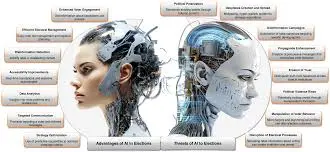
Disinformation researchers have raised alarms that AI-generated racist propaganda could intensify ahead of key European elections. According to fact-checking organizations, such videos have been shared by fringe groups on X (formerly Twitter) and TikTok, amassing millions of views before takedowns. Analysts say this represents a new frontier of “synthetic hate content,” blending generative AI and political propaganda in ways that are increasingly difficult to trace.
Calls for Regulation and Media Literacy Grow
European regulators and digital rights activists are calling for stricter oversight of AI-generated media. The European Union’s upcoming AI Act, set to take effect in 2026, aims to require transparency labels on synthetic content. Meanwhile, educators and advocacy groups stress the need for improved media literacy to help citizens identify and report manipulated visuals.