
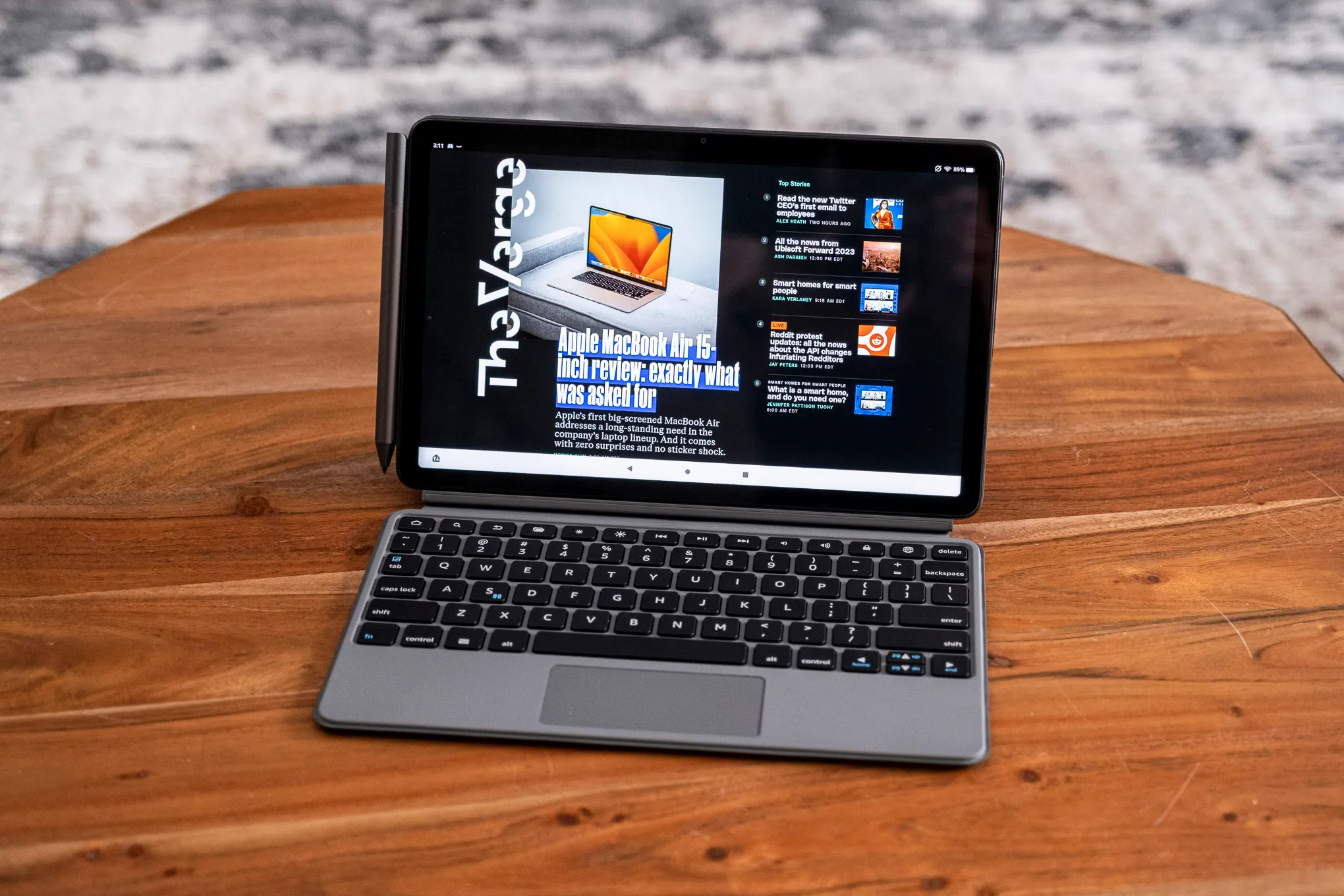
Amazon is reportedly preparing to abandon its long-running Fire OS software in favor of a more standard Android experience in its upcoming Fire tablet lineup. The move marks a significant strategy shift as the company aims to refresh its tablet range with broader app compatibility and a more familiar interface for users.
Why Amazon May Be Ditching Fire OS
For years, Amazon’s Fire tablets have run on Fire OS, a heavily modified version of Android without access to Google Play services by default. While this allowed Amazon to push its own app store and ecosystem, many users felt limited by the absence of mainstream Android apps. By adopting a more traditional Android framework, Amazon could attract more consumers while reducing frustration over app availability.
Competitive Pressure in the Tablet Market
The global tablet market has become increasingly competitive, with Apple, Samsung, and Chinese manufacturers dominating sales. Amazon’s affordable Fire tablets still hold a strong position among budget users, but the lack of a complete Android experience has often been a drawback. Moving closer to stock Android could help Amazon better position itself against rivals, particularly in markets outside the U.S. where app ecosystems play a larger role in purchase decisions.
What This Means for Amazon Users
If the switch happens, future Fire tablets could feature native access to the Google Play Store, broader app support, and smoother updates. However, Amazon is also expected to retain its deep integration of services like Kindle, Alexa, and Prime Video to maintain customer loyalty. Analysts believe the change could boost both sales and long-term engagement, giving Amazon a renewed edge in the entry-level tablet market.
Industry Reactions and Future Outlook
Industry watchers see the shift as a pragmatic step for Amazon, aligning its hardware more closely with consumer expectations while keeping costs low. The revamped Fire tablets are expected to launch later this year, signaling a turning point in Amazon’s hardware strategy. If successful, the move could reshape Amazon’s standing in the global tablet race.