
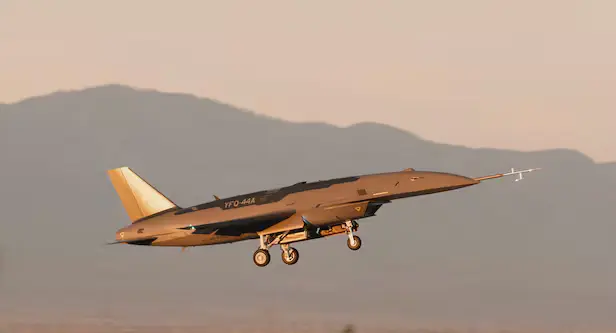
Anduril Industries, the fast-rising U.S. defense technology firm founded by Palmer Luckey, is confronting unexpected turbulence after several of its advanced drones reportedly crashed during field operations, according to sources familiar with the matter. The incidents have triggered fresh scrutiny over the reliability and readiness of the company’s autonomous aerial systems—platforms that have been touted as future cornerstones of modern warfare.
Field Tests Disrupted as Reliability Issues Surface
The drone crashes occurred during live-environment performance trials, where Anduril’s autonomous systems were undergoing stress and endurance evaluations.
Investigators reviewing initial data suggest that a combination of software instability and environmental factors may have contributed to the failures. While no personnel injuries were reported, the incidents forced the halting of ongoing evaluations.
Industry insiders note that performance lapses at this stage could delay the company’s deployment timelines, especially for military clients expecting rapid integration of autonomous systems into mission workflows.
Government Partners Seek Answers
Heightened Oversight from Defense Agencies
Following the crashes, several U.S. defense officials have requested in-depth assessments from Anduril before green-lighting additional tests.
The company’s drones are part of larger advanced surveillance and battlefield-intelligence programs, meaning even minor reliability concerns can have significant downstream effects.
Defense analysts indicate that agencies are becoming increasingly cautious, particularly as autonomous drones move from experimental to mission-critical roles for border monitoring, surveillance, and battlefield reconnaissance.
Analysts Point to Possible Overextension
Rapid Growth May Have Outpaced Testing Pipelines
Experts observing the company’s trajectory believe that Anduril’s push to rapidly scale production and win major defense contracts may have stressed internal testing and quality-control frameworks.
The firm, valued at over $10 billion, has aggressively expanded into autonomous weapons, counter-drone systems, and battlefield AI—strategic areas where operational reliability is non-negotiable.
Analysts caution that growing too quickly in defense hardware can introduce bottlenecks in validation processes, especially when integrating new AI-driven capabilities.
Company Response Focuses on Transparency and Improvement
Anduril Pledges Thorough Investigations
In internal communications shared with some partners, Anduril has emphasized its commitment to investigating the root causes of the failures.
The company reportedly plans to strengthen simulation tests, improve software validation, and introduce expanded failure-mode analysis for all subsequent prototypes.
Though Anduril has not issued a formal public statement, sources say the company remains confident that the setbacks will not impact long-term mission readiness.
A Critical Moment for Autonomous Defence Technology
Market Impact and Industry Reactions
The incidents come at a time when global demand for autonomous defense systems—especially AI-powered drones—is intensifying.
Competitors in the sector are expected to use the situation to highlight the importance of rigorous testing and proven reliability.
Despite the setbacks, defense analysts believe Anduril still holds a competitive edge due to its strong AI capabilities and integration with broader battlefield-network platforms.
What Comes Next
Rebuilding Confidence Through Testing and Upgrades
Anduril is now expected to focus heavily on demonstrating reliability through an updated testing cycle.
Upcoming trials will determine whether the firm can maintain its leadership position in an increasingly crowded autonomous-defense marketplace.