
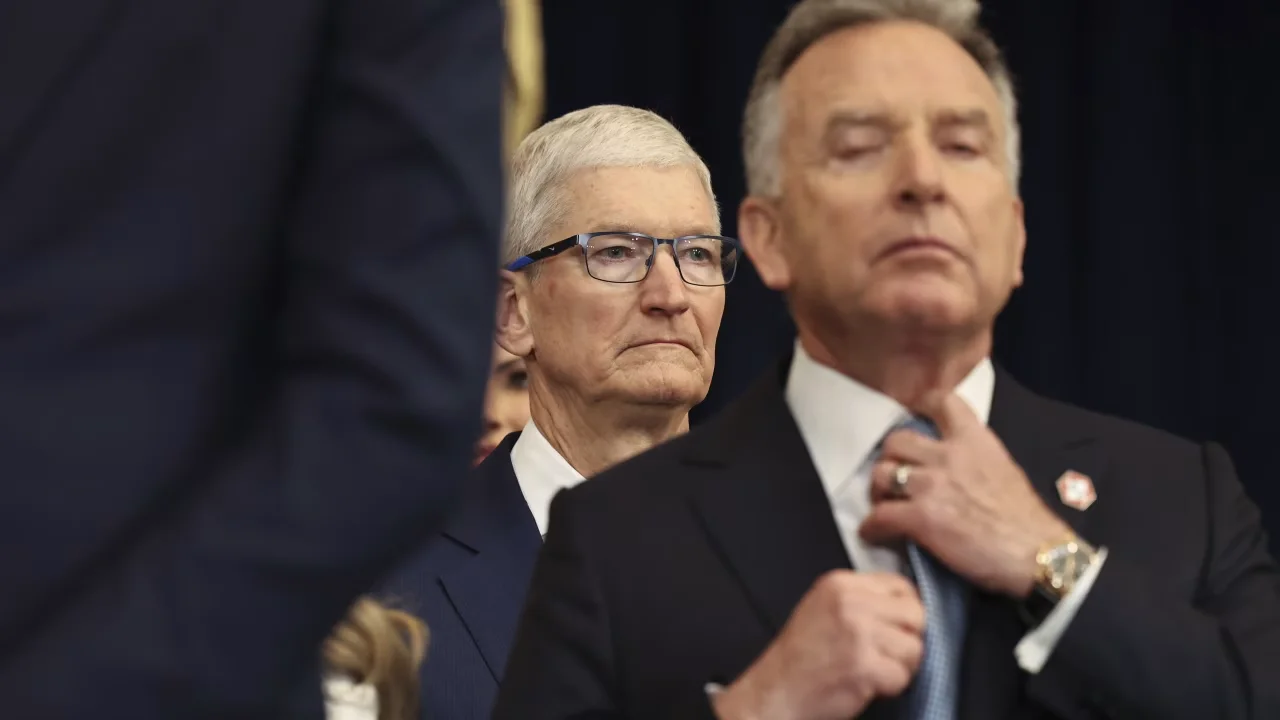
Apple CEO Tim Cook has urged U.S. lawmakers to revise elements of the proposed child online safety legislation, warning that certain requirements could jeopardize user privacy. His stance adds significant weight to an already contentious national conversation around tech accountability and child protection.
Cook Says Apple Supports Child Safety—but Not at the Expense of Privacy
In recent discussions with policymakers and through statements shared with industry groups, Cook reiterated Apple’s commitment to protecting children from digital threats. However, he emphasized that the bill’s current language could unintentionally enable forms of surveillance that undermine privacy safeguards built into Apple’s ecosystem.
Concerns Over Encryption and On-Device Scanning
A key point of friction is the bill’s potential mandate for platforms to detect harmful imagery or communications involving minors. According to Apple, such a requirement could weaken end-to-end encryption or force companies to deploy intrusive on-device scanning technologies—tools that cybersecurity experts argue could be exploited by malicious actors or governments.
Tech Industry Split, but Privacy Advocates Back Apple
While some companies have indicated willingness to comply with stricter detection rules, privacy advocates have sided with Apple, warning that weakening encryption opens the door to broader surveillance. Cook’s intervention signals that Apple is not willing to compromise on what it considers foundational privacy protections.
Lawmakers Balancing Safety and Civil Liberties
Members of Congress behind the legislation say the intent is to curb online grooming, exploitation, and exposure to harmful content. However, they acknowledge the complexity of crafting a law that protects children without eroding broader digital rights. The bill is still undergoing revisions as feedback from tech firms, legal experts, and family organizations continues to shape its direction.
Apple Calls for Clearer, More Balanced Language
Apple is reportedly advocating for amendments that allow companies to develop safety tools without compromising encryption or collecting excessive data. Cook urged lawmakers to adopt a framework that encourages innovation in child safety technologies while protecting the privacy of all users.
A Pivotal Moment for U.S. Tech Policy
As the debate escalates, the future of the bill remains uncertain. If enacted, it could become one of the most consequential pieces of online safety legislation in the United States, potentially transforming how digital platforms operate. Apple’s pushback ensures the conversation will be far from simple, as lawmakers attempt to balance child protection with the privacy rights of millions.