
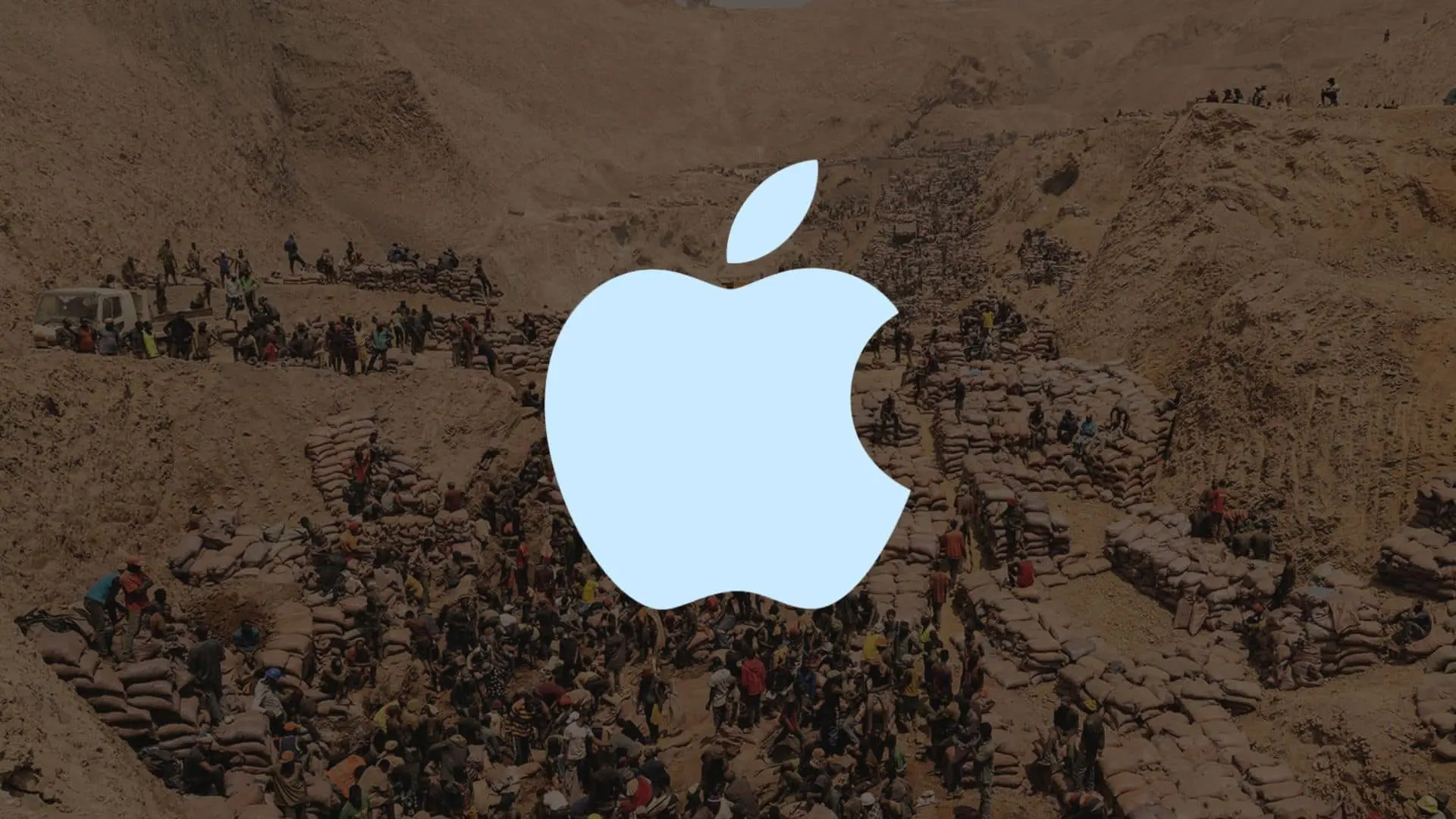
A U.S.-based human rights coalition has filed a federal lawsuit against Apple, accusing the tech giant of profiting from minerals sourced from armed-conflict zones in the Democratic Republic of Congo (DRC). The complaint claims that materials used in Apple products—including cobalt, tungsten, and tantalum—are tied to mines where violent militia groups control operations and workers face severe exploitation.
Allegations Center on Apple’s “Indirect Complicity”
According to the lawsuit, the group alleges Apple has not done enough to ensure that minerals essential to its batteries and electronic components are free from conflict links. The advocacy organization contends that Apple benefits financially from a supply chain that “knowingly or negligently” includes minerals mined under coercion, child labor, and unsafe conditions.
Apple Rejects Allegations, Emphasizes Strict Standards
Apple has strongly denied the accusations, highlighting its long-standing policies on responsible sourcing. The company insists it conducts rigorous audits, requires conflict-free certification from suppliers, and is committed to eliminating human rights abuses within its supply chain. Apple reiterated that it was among the first technology firms to map its cobalt supply chain to the mining level.
Congo Mineral Supply Chains Again Under Global Scrutiny
The lawsuit reignites global concerns about the DRC’s mineral sector, which has historically been linked to armed conflict and child labor. Despite international regulations and corporate pledges to monitor supply chains, watchdog groups argue that progress remains inconsistent. Cobalt and other rare minerals from the region remain essential for smartphone batteries, laptops, and electric vehicles.
Legal Action Seeks Greater Transparency
The human rights organization is asking the court to mandate heightened transparency from Apple, stronger third-party verification, and compensation for communities allegedly harmed by mining-linked violence. The case is expected to fuel renewed debate over the ethical responsibilities of multinational tech companies reliant on complex global supply chains.
Industry Experts Predict Wider Implications
Analysts say the lawsuit could set a precedent that pushes major tech manufacturers to deepen oversight of raw material suppliers. If the court accepts the case, it may trigger additional investigations into the sourcing practices of other electronics companies heavily dependent on minerals from the Congo region.