
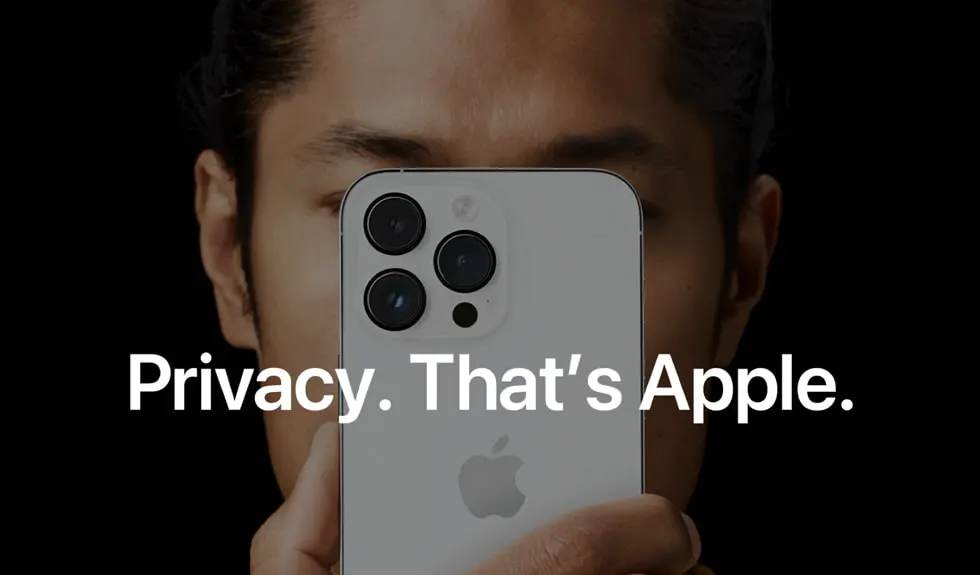
In a significant concession to government demands, Apple has announced it will no longer offer its most advanced encryption feature, Advanced Data Protection (ADP), for iCloud backups in Britain. The move marks an unprecedented step back for the tech giant in its long-standing battle to uphold user privacy and data security.
The decision means that British users will no longer have the option to enable end-to-end encryption for their iCloud backups, allowing Apple to access certain user data when legally compelled. Previously, with ADP enabled, even Apple itself could not access encrypted data, including iMessages, photos, and other sensitive files.
Apple’s Reluctant Retreat
Apple’s announcement comes amid mounting pressure from British authorities, who have sought greater access to encrypted communications as part of broader efforts to combat crime and national security threats. While the company has not explicitly confirmed the reason behind its decision, reports suggest the UK government issued a Technical Capability Notice (TCN) under the sweeping Investigatory Powers Act of 2016.
A TCN can compel companies to facilitate government access to data, though officials insist it does not grant blanket surveillance powers. The Home Office declined to confirm or deny whether such an order was issued, stating only that it does not comment on "operational matters."
Despite its strong pro-privacy stance, Apple acknowledged the security risks posed by the move. "We are gravely disappointed that the protections provided by ADP will not be available to our customers in the UK, given the continuing rise of data breaches and other threats to customer privacy," the company said in a statement.
Privacy Experts Raise Alarm
The rollback has sparked concerns among cybersecurity experts, who warn that weakening encryption poses significant risks. Professor Oli Buckley, a cybersecurity expert at Loughborough University, described the decision as a "practical weakening of iCloud security" for UK users.
"Ultimately, once a door exists, it's only a matter of time before it's found and used maliciously," Buckley said, cautioning that backdoor access for governments could also expose users to cyber threats from hackers and hostile entities.
Apple has long resisted efforts to weaken encryption, most notably in 2016, when it refused to help the FBI unlock the iPhone of a San Bernardino shooter. The company has maintained that creating backdoors for government access sets a dangerous precedent, as they can be exploited beyond their intended purpose.
The Global Encryption Battle
The debate over encryption has been an ongoing battle between tech companies and governments worldwide. Law enforcement agencies argue that "warrant-proof encryption" hampers their ability to investigate crimes, while privacy advocates warn that any compromise in encryption threatens individual freedoms and digital security.
Apple’s latest decision follows growing government scrutiny of encrypted services. Meta, the parent company of WhatsApp, has faced similar resistance over its encryption expansion plans, while privacy-focused messaging app Signal has threatened to exit the UK entirely if forced to weaken its security measures.
While the rollback does not affect data stored directly on Apple devices, the shift is significant as users increasingly rely on cloud backups for convenience. The move leaves British users with a difficult choice: store their data locally—risking loss in case of device damage—or accept weaker security protections in the cloud.
Apple’s share price remained largely unchanged following the announcement, reflecting the broader industry trend where privacy debates have yet to impact major tech stock valuations.
As the tug-of-war between governments and tech firms continues, Britain’s decision to push back against encryption could set a precedent for other countries. The question now remains—will Apple make similar concessions elsewhere?