
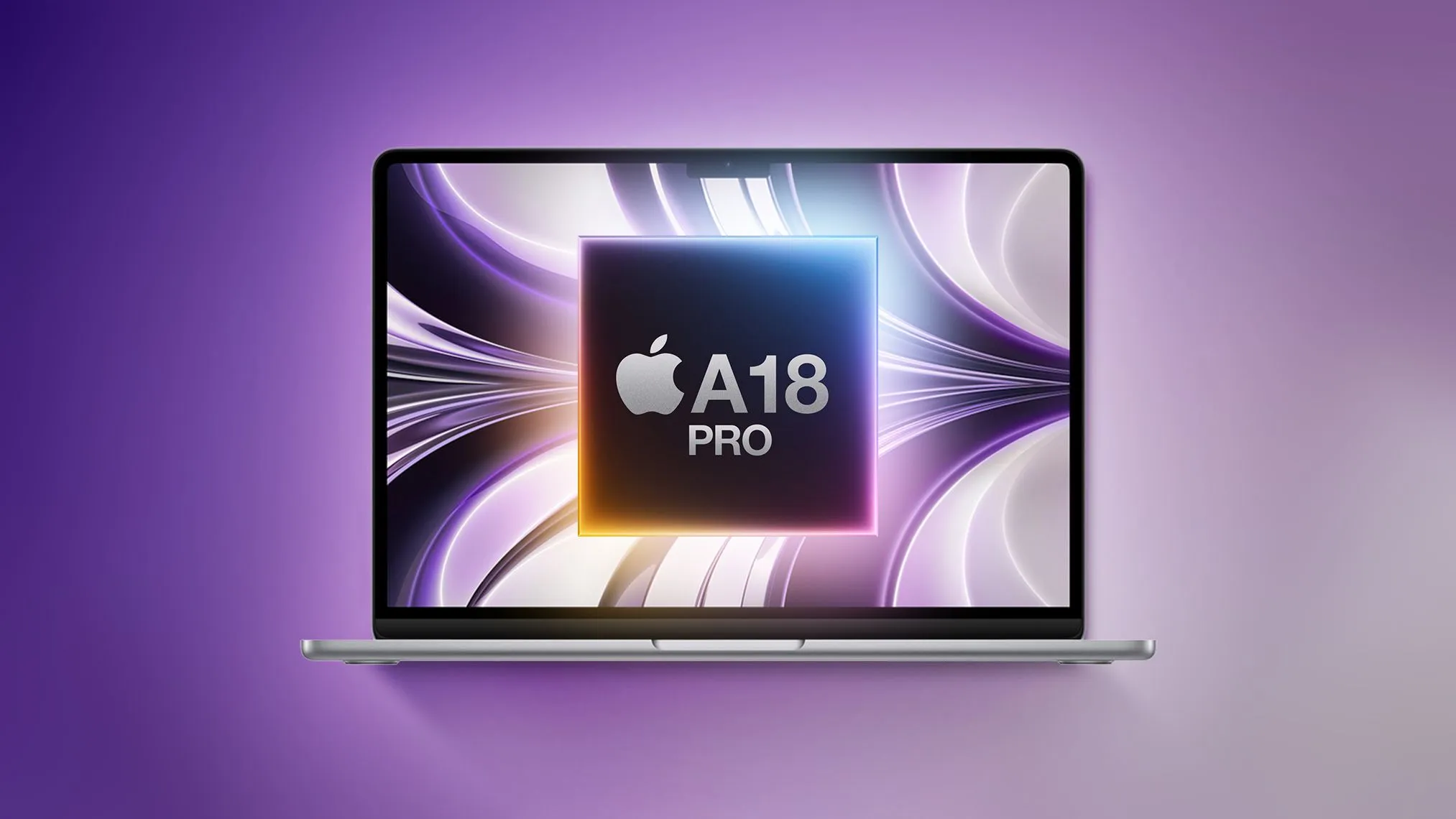
Fresh supply-chain whispers and analyst notes suggest Apple is quietly working on a new low-cost MacBook, potentially aimed at students, first-time Mac users, and price-sensitive markets. Unlike current MacBook Air models powered by M-series silicon, this upcoming device could mark a strategic shift by using an A-series chipset, similar to the one expected inside the iPhone 16 Pro.
⚙️ A-Series Chip Could Redefine Mac Performance Segments
According to reports, Apple may equip the budget MacBook with an A18 Pro-class processor, built on an advanced 3nm process. While traditionally reserved for iPhones, recent A-series chips have shown performance levels capable of handling everyday macOS tasks such as web browsing, office productivity, media consumption, and even light creative workloads.
This move could allow Apple to significantly reduce costs while maintaining tight hardware-software integration — a hallmark of the Mac ecosystem.
💻 Positioned Below MacBook Air
If the reports prove accurate, the new MacBook would sit below the MacBook Air lineup, both in pricing and performance. Apple is said to be targeting a more accessible price bracket without compromising build quality, battery life, or long-term software support.
Such a model could also appeal to education institutions and emerging markets where Mac adoption has been limited by high entry prices.
🗓️ Possible Launch Timeline Emerges
Industry sources point to a late 2025 or early 2026 launch window, aligning with Apple’s silicon refresh cycles. Mass production is reportedly planned after initial validation testing, suggesting the project has moved beyond the concept stage.
However, Apple’s timelines are known to shift, and the company may delay or reposition the product depending on market conditions.
🔌 macOS Optimisation Will Be Key
Running macOS on an A-series chip would require Apple to further refine its operating system for efficiency cores and mobile-class thermal envelopes. With Apple already sharing architectural similarities between A-series and M-series chips, experts believe this transition is technically feasible.
Developers may also benefit, as apps optimised for iPhone and iPad could run more seamlessly on macOS.
🔍 Why This MacBook Matters
If launched, this low-cost MacBook could represent Apple’s most aggressive push into the affordable laptop segment in over a decade. By leveraging iPhone-grade silicon, Apple could expand its user base while preserving margins — a strategy the company has successfully executed in other product categories.