
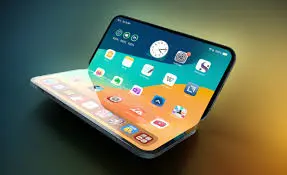
Apple’s long-rumoured foldable iPhone is proving far more difficult to perfect than expected. For readers, the key insight is simple: even the world’s most valuable tech company is struggling to solve the core challenges of foldable hardware—durability, display quality, and usability. This could delay Apple’s entry into a market already led by Samsung and others, potentially reshaping competition in premium smartphones.
Engineering Challenges Slowing Apple Down
Multiple industry reports suggest that Apple is encountering significant engineering hurdles with its foldable iPhone project. The biggest concern revolves around the display crease—something Apple has historically avoided compromising on.
Unlike competitors that have accepted minor creases as a trade-off, Apple is reportedly pushing for a near “crease-free” experience. Achieving this requires advanced hinge mechanisms and flexible display layers, which are proving difficult to mass-produce at Apple’s quality standards.
Another issue is long-term durability. Foldable phones undergo constant mechanical stress, and Apple is said to be unsatisfied with current prototypes failing to meet its strict lifecycle expectations. The company is known for prioritizing longevity, and anything less could harm its brand reputation.
Display and Hinge Tech: The Real Bottleneck
At the core of the delay lies a complex interplay between display suppliers and hinge engineering. Apple is believed to be working closely with partners like Samsung Display and LG Display to develop ultra-thin glass (UTG) panels that are both flexible and resistant to visible wear.
However, balancing flexibility with scratch resistance and structural integrity remains a major challenge. The hinge, too, must support seamless folding without introducing gaps or stress points—something even current foldable leaders are still refining.
Insiders suggest Apple may be redesigning key components, which could push timelines further.
Possible Launch Timeline Slipping
Earlier expectations hinted at a potential 2026 launch window. But with ongoing technical setbacks, analysts now believe the foldable iPhone could be delayed to 2027 or beyond.
Apple has a history of entering categories late—but with a more polished product. This was evident with the Apple Watch and Vision Pro. The same strategy may apply here: delay the product until it meets a “no-compromise” standard rather than rushing to market.
Competitive Pressure Is Building
While Apple refines its approach, competitors are not standing still. Samsung continues to iterate on its Galaxy Z Fold and Flip series, improving durability, hinge design, and software optimization with each generation.
Chinese OEMs like Huawei, Oppo, and Honor are also pushing boundaries with thinner designs and innovative folding mechanisms. By the time Apple enters the space, the market could already be mature—raising the stakes for differentiation.
What Apple Could Do Differently
Apple’s entry into the foldable segment is expected to focus heavily on software optimization and ecosystem integration. A foldable iPhone could introduce new multitasking features, deeper iPad-like functionality, and tighter integration with macOS and visionOS ecosystems.
There’s also speculation that Apple may blur the line between iPhone and iPad, potentially positioning the foldable as a hybrid productivity device rather than just a smartphone.
The Bigger Picture: Innovation vs Perfection
Apple’s struggles highlight a broader truth about foldable technology—it’s still evolving. While the concept is compelling, achieving the right balance between innovation and reliability remains elusive.