
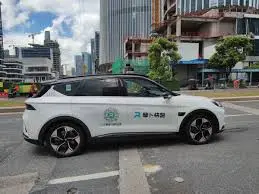
In a bold move to expand its autonomous driving technology globally, China’s tech giant Baidu is set to deploy its Apollo Go driverless cars on the Uber platform, according to recent reports. The initiative marks the first time Baidu will integrate its autonomous vehicles with an international ride-hailing service, signaling a new chapter in global mobility solutions.
Global Debut of Baidu's Robotaxis Outside China
The collaboration aims to launch pilot programs in select U.S. and European cities by early 2026, subject to regulatory approvals. Uber will provide access to its app infrastructure, while Baidu will operate its Level 4 autonomous vehicles under the Apollo Go brand. This strategic alliance is expected to bring low-cost, high-efficiency robotaxi rides to international customers.
Strengthening China's Tech Presence on Global Roads
Baidu’s move is not just a business venture but a strategic tech export, reinforcing China's ambition to compete with U.S. autonomous vehicle companies like Waymo and Cruise. The partnership is a major step in Baidu’s efforts to scale beyond its home market, where Apollo Go already operates in major cities including Beijing, Wuhan, and Shenzhen.
Regulatory and Safety Challenges Ahead
While the partnership holds promise, it will need to navigate complex safety regulations, public trust issues, and local government approvals. Uber, having previously divested from its own autonomous vehicle division, now positions itself as a global aggregator for self-driving fleets through strategic partnerships.
Economic and Environmental Impact
Baidu claims its driverless fleet is designed to cut emissions, reduce traffic congestion, and lower ride fares in the long run. The vehicles are powered by electric motors and supported by AI-based route optimization, making them environmentally sustainable and cost-effective.