
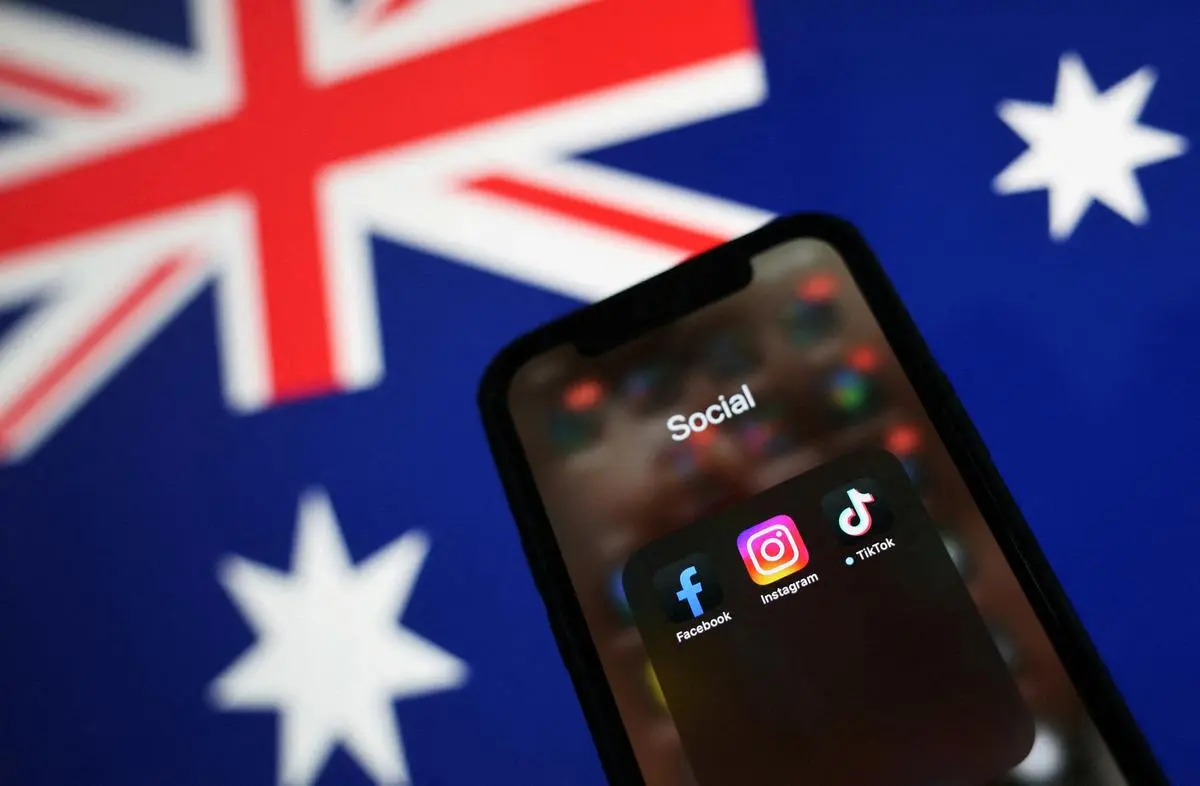
The British government has initiated a nationwide consultation asking parents whether social media platforms should be banned for children under the age of 16. The move signals growing concern within Westminster over the impact of digital platforms on teenagers’ mental health, safety, and overall wellbeing.
Officials say the consultation is designed to gather public opinion before considering potential legislative changes. Parents, teachers, and child welfare experts are being invited to share their views on whether stricter age restrictions are necessary.
Rising Concerns Over Mental Health and Online Harm
The debate follows increasing reports linking heavy social media use among teenagers to anxiety, depression, sleep disruption, and body image issues. Health professionals in the UK have warned that addictive algorithms and constant online comparison may be contributing to worsening mental health outcomes among young users.
Cyberbullying, exposure to harmful content, and online grooming remain additional concerns. Child protection groups argue that existing safeguards are not strong enough to prevent underage access to inappropriate material.
Pressure on Tech Companies
Technology firms operating in Britain already require users to be at least 13 years old, in line with international data protection standards. However, critics argue that age verification systems are easy to bypass.
If a ban for under-16s were introduced, platforms such as TikTok, Instagram, Snapchat, and X could be required to implement stricter identity checks. That could involve advanced age-verification tools or stronger parental consent mechanisms.
Industry representatives caution that a blanket ban could push teenagers toward less regulated online spaces, potentially increasing risks rather than reducing them.
International Context and Policy Shifts
Britain is not alone in reconsidering youth access to social media. Several countries have recently debated raising the minimum age for platform use, citing child safety concerns. The European Union has also been tightening digital regulations under its broader online governance framework.
The UK’s Online Safety Act, which is already being implemented in phases, places new obligations on tech companies to protect children from harmful content. The current consultation could determine whether further measures — including age-based restrictions — are necessary.
Mixed Reactions from Parents and Educators
Early responses suggest divided opinions among families. Some parents support a full ban, arguing it would shield children from harmful content and digital addiction. Others believe education and digital literacy are more effective solutions than outright prohibition.
Teachers have expressed concern about the role of social media in classroom distraction but also acknowledge that online platforms serve as key communication tools for young people.
What Happens Next?
The consultation period will remain open for public submissions before policymakers decide on the next steps. Any move toward legislation would likely involve further parliamentary debate and regulatory planning.
For now, Britain’s question to parents reflects a broader global challenge: how to balance technological freedom with the protection of young users in an increasingly connected world.