
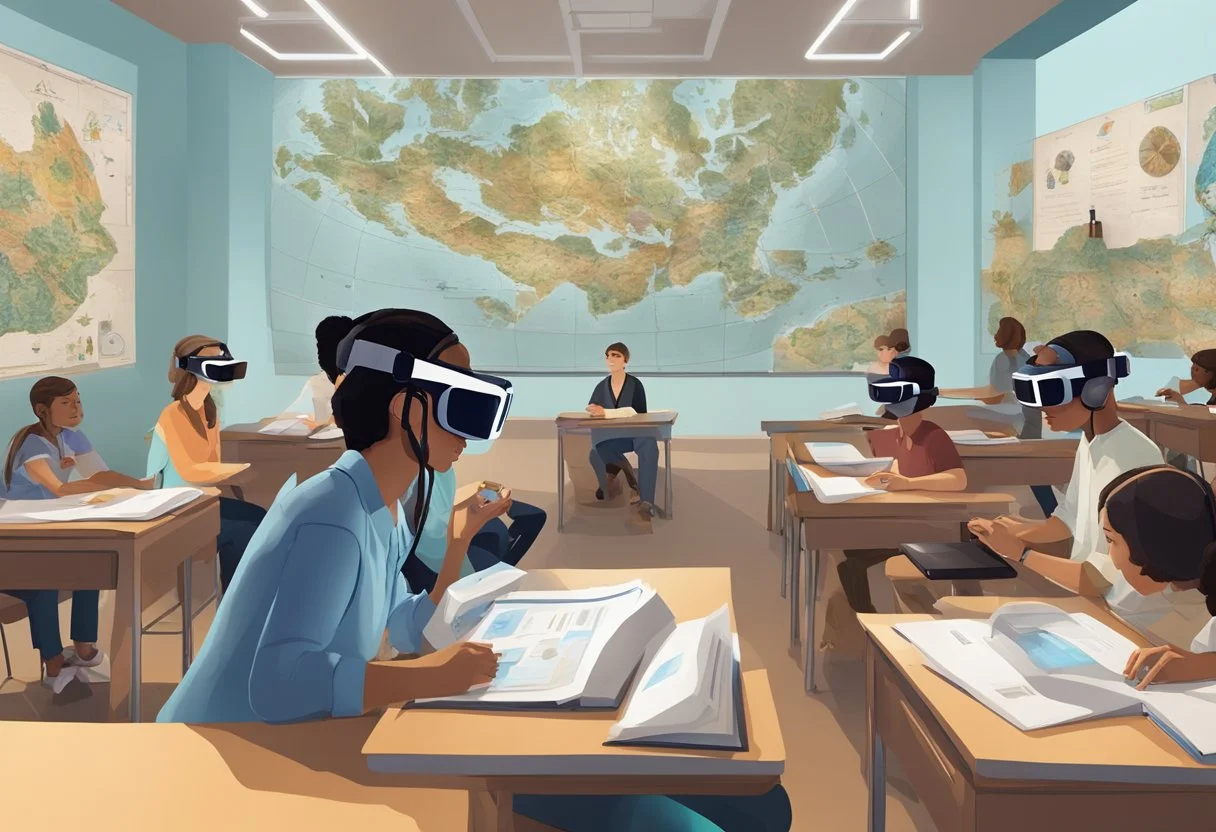
The COVID-19 pandemic forced schools to go digital, and among the many subjects that made the leap, art education faced unique challenges and opportunities. Virtual classrooms have evolved rapidly, bringing tools like live video demos, real-time critiques, and AI-powered drawing assistants into homes. Platforms such as Google Classroom, Zoom, and Microsoft Teams now serve as studios for creativity, connecting students and teachers globally.
🖼️ New Tools, New Talents: Empowering Creativity with Technology
Online art classes have embraced technology with open arms. Students can now use software like Procreate, Adobe Fresco, and even AI-assisted platforms such as DALL·E and DeepArt for assignments. Teachers incorporate digital whiteboards and augmented reality (AR) to make concepts like perspective, shading, and anatomy more understandable. The integration of tech not only enhances skills but also exposes students to digital design—an essential part of modern art careers.
🌍 Virtual Field Trips: Museums and Galleries Just a Click Away
One of the greatest advantages of virtual classrooms in art education is access. Through digital tours, students can visit the Louvre, the MET, or even small local galleries they wouldn't otherwise see. Virtual reality (VR) headsets take this further, immersing students in 3D exhibitions, allowing them to "walk" through rooms of classical and contemporary works—an experience far more interactive than a textbook.
🧑🎨 Balancing Hands-on Practice with Digital Instruction
Despite the excitement, critics argue that virtual classrooms can never fully replace traditional hands-on learning. Physical interaction with materials like clay, canvas, and paint is vital for sensory development and technique. To address this, some hybrid models are emerging, combining at-home projects with occasional in-person workshops or material kits sent home to replicate real studio conditions.
📚 Student Engagement: Are Virtual Classes Really More Fun?
Surprisingly, many students report feeling more engaged in online art classes. The ability to rewind demonstrations, share work instantly, and receive timely feedback makes learning more personalized. Shy students also benefit from the chat features and one-on-one virtual reviews, which they may avoid in a physical class. However, prolonged screen time and internet access inequalities remain significant barriers.
🧭 The Road Ahead: Is Digital the Future of Art Education?
With schools increasingly adopting blended learning models, virtual classrooms seem poised to remain a permanent part of art education. While they may never completely replace traditional studios, their flexibility and innovative capabilities offer compelling benefits. The key lies in balancing digital advantages with the tactile nature of art—ensuring that students don't just learn how to create, but also feel the joy of creating.