
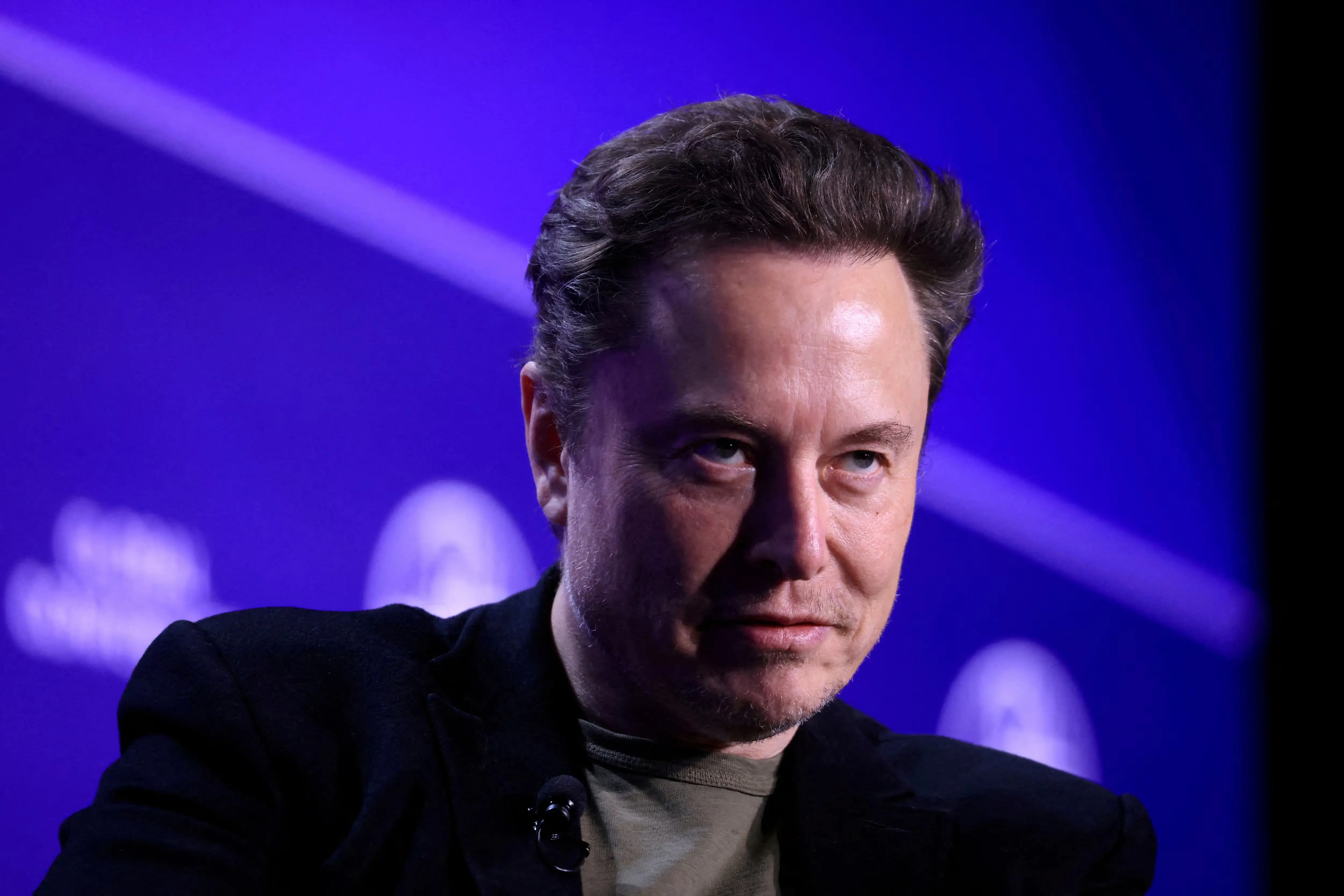
California Attorney General Rob Bonta has officially declined to join billionaire entrepreneur Elon Musk in his lawsuit against OpenAI, marking a significant stance in the ongoing legal dispute that has captured national attention. Musk, who co-founded OpenAI in 2015, filed a lawsuit in March 2024, accusing the artificial intelligence company and its leadership of breaching their founding agreement and allegedly prioritizing profit over public interest.
Background of the Dispute
Musk’s lawsuit, filed in a San Francisco Superior Court, alleges that OpenAI violated its original nonprofit mission by developing and commercializing advanced AI systems like GPT-4 under the direction of Microsoft, one of OpenAI’s largest investors. Musk has expressed concern that the company’s close ties to Microsoft threaten the openness and safety of future artificial general intelligence (AGI) technologies.
OpenAI has firmly denied Musk's claims, stating that no formal agreement resembling a binding contract exists between the parties regarding the governance or commercial use of the technology. The company asserts that it continues to operate in alignment with its charter and that any proprietary developments are within its legal rights.
California AG’s Response
In a public statement released Tuesday, Attorney General Bonta said his office had reviewed Musk’s filings but found no sufficient grounds to intervene or lend the weight of the state to the suit. “Our office takes seriously any allegation involving the misuse of powerful technologies,” Bonta said. “However, at this time, we see no basis for legal action on behalf of the state of California. This appears to be a private business dispute between parties that were formerly aligned in a rapidly evolving industry.”
Bonta's decision comes amid mounting pressure from tech watchdogs and policy groups urging oversight of large-scale AI development. However, legal experts say his move reflects the complexities of regulating corporate governance in AI startups, especially when public and private interests intersect.
Reaction from Musk and OpenAI
Following the attorney general’s announcement, Musk took to X (formerly Twitter), expressing disappointment but doubling down on his allegations. “The people deserve transparency and accountability in AI,” he wrote. “The truth will come out in court.”
OpenAI has yet to comment directly on the AG’s decision, but sources close to the organization view the lack of state support for Musk’s claims as a positive signal. “We’re focused on continuing to build safe and useful AI while operating within legal and ethical boundaries,” said one internal source, speaking on condition of anonymity.
What’s Next?
With the California AG opting out, Musk’s legal team will proceed without state backing, relying solely on the strength of their arguments in court. Analysts suggest the case could set important precedents about corporate responsibility, AI governance, and the legal definition of nonprofit commitments in the tech sector.
The case remains ongoing, with preliminary hearings expected later this spring. Meanwhile, the broader debate over AI regulation and ethical deployment continues to intensify, drawing attention from policymakers in Washington and beyond.