
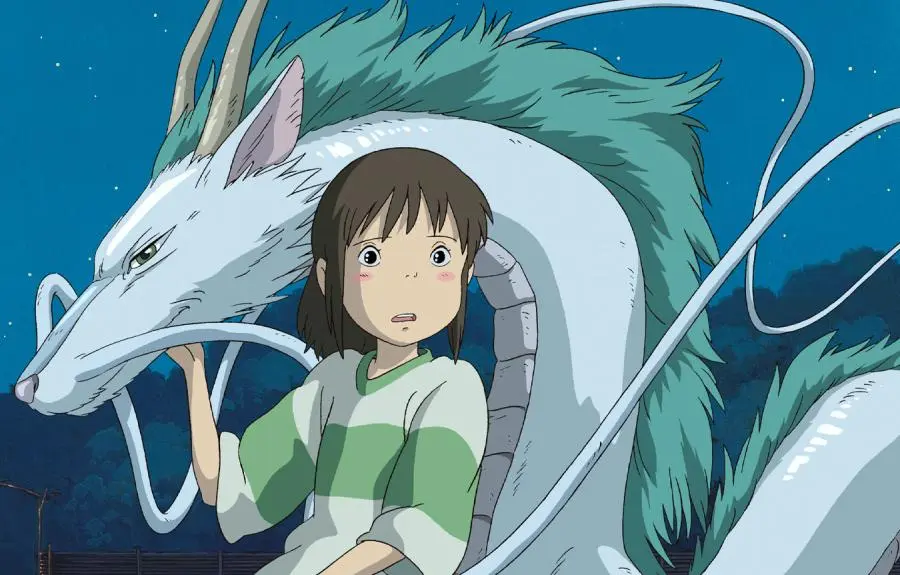
AI-generated art has taken the internet by storm, and now a series of viral images created by ChatGPT, mimicking the iconic Studio Ghibli animation style, is raising serious concerns about copyright and intellectual property in the digital age. The images, which showcase detailed, vibrant scenes reminiscent of Ghibli’s beloved films, have sparked both admiration and controversy, highlighting the growing tension between artistic creativity and the potential for AI to infringe upon existing copyrights.
The Emergence of AI-Generated Ghibli-Style Art
Using advanced machine learning models, ChatGPT has recently gained the ability to generate artwork in various styles, including that of renowned animation studios such as Studio Ghibli. The technology allows users to input descriptions of scenes or characters, which the AI then transforms into stunningly detailed images that echo the look and feel of Ghibli classics like Spirited Away and My Neighbor Totoro.
These AI-generated artworks have gained significant attention across social media platforms, with many sharing the images for their nostalgic beauty. However, as the artworks gained traction, so did questions about the legal and ethical implications of using artificial intelligence to replicate the style of a famous studio, raising alarms over potential copyright violations.
AI and Copyright Law: The Grey Area
While AI technology has opened up new possibilities for creativity, the legal landscape remains murky when it comes to ownership and copyright. Copyright law protects original works of art, including visual styles, but questions arise when it comes to AI-generated art. Who owns the rights to an image created by an AI trained on thousands, or even millions, of existing works?
The controversy surrounding ChatGPT’s Ghibli-inspired images is rooted in whether the AI’s output constitutes a direct imitation of Studio Ghibli’s protected style. Critics argue that these AI-generated works are dangerously close to reproducing copyrighted material, as the machine learning models are trained on vast datasets that include artwork similar to the Ghibli style. However, supporters of AI art point out that these images are entirely new creations, even if they resemble the work of established artists or studios.
Studio Ghibli’s Position on AI Art
Studio Ghibli has not yet officially commented on the matter, but many legal experts believe that the studio would be within its rights to file a copyright infringement case if they chose to. Ghibli’s distinct animation style, defined by fluid motion, whimsical landscapes, and a focus on nature, is iconic and instantly recognizable. As AI-generated art continues to grow in popularity, more studios and creators may seek to establish clear guidelines on how AI art relates to copyright.
The issue also goes beyond Studio Ghibli. Other creators, artists, and content producers are concerned about the implications of AI replicating their work without permission. As AI technology evolves, it is increasingly capable of producing works that resemble established artistic styles, leading to potential legal and ethical dilemmas regarding ownership, plagiarism, and creative rights.
The Ethics of AI in the Creative Industry
Ethical concerns surrounding AI art have been discussed extensively within the art and tech communities. Many artists fear that the rise of AI tools could diminish the value of human-created art, as machines can produce high-quality images in seconds without the need for skill or experience. AI art has also been criticized for undermining the livelihood of artists who rely on their unique style and craftsmanship to earn a living.
Supporters of AI argue that it is simply a tool—an extension of human creativity—that should be viewed as a new medium for artistic expression rather than a threat to the art world. However, as these technologies become more sophisticated, the boundaries between human and machine-created art are becoming increasingly blurred.
Legal Action and the Future of AI Art
As AI-generated art continues to push the boundaries of creativity, it is likely that more legal challenges will arise. In response to these concerns, lawmakers are beginning to explore ways to address AI art within the framework of copyright law. Some countries have already started to adjust their intellectual property laws to consider AI as a tool rather than a creator, but many legal experts believe that a more comprehensive solution is necessary.
In the case of ChatGPT’s viral Ghibli-style images, it remains to be seen whether Studio Ghibli or other parties will take legal action. For now, the images continue to circulate online, generating both awe and debate. As the intersection of AI and art continues to evolve, questions of copyright, ethics, and ownership will become increasingly urgent.
The Future of AI and Creative Industries
The conversation surrounding AI-generated art is only just beginning, and its impact on the creative industry is likely to be profound. Whether these technologies will enhance human creativity or create new challenges for creators and copyright holders remains uncertain. What is clear, however, is that the debate over AI and copyright will shape the future of digital art and the creative industries for years to come.
As AI art evolves, it will likely force lawmakers, artists, and tech companies to engage in a broader conversation about how best to balance innovation with intellectual property protection. One thing is certain: the rise of AI in the creative space is challenging the very foundation of copyright law as we know it.