
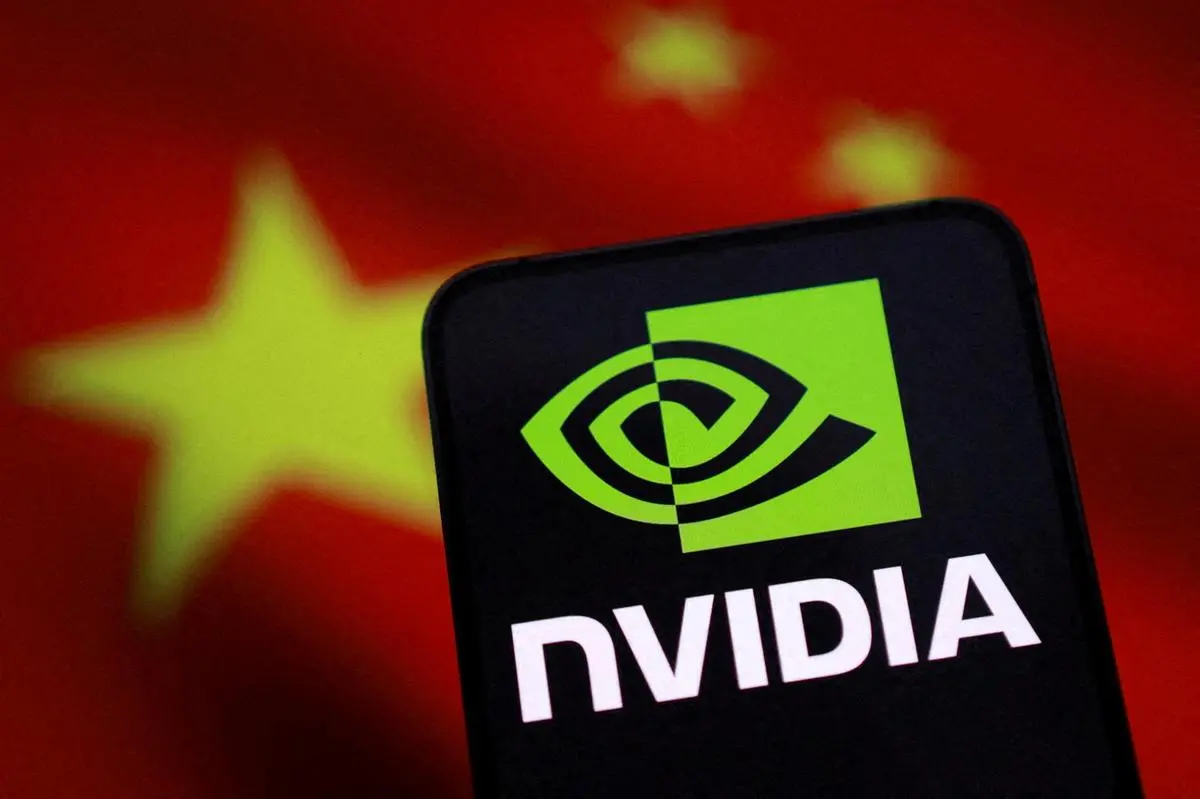
China has approved its first batch of imports for Nvidia’s H200 artificial intelligence chips, according to people familiar with the matter, marking a cautious but notable step in easing access to high-performance computing hardware amid ongoing U.S. export restrictions. The approvals are understood to be limited in scope and closely monitored by regulators.
H200 Seen as Strategic Upgrade for AI Workloads
The Nvidia H200, an advanced iteration of the company’s Hopper architecture, is designed to handle large-scale AI training and inference workloads more efficiently, particularly for generative AI and data-intensive applications. Compared with earlier models, the chip offers improved memory capacity and bandwidth, making it attractive for cloud providers and research institutions.
Regulatory Approval Comes With Tight Oversight
Sources indicate that Chinese authorities have cleared the imports under strict compliance conditions, ensuring the chips are allocated only to approved entities. This suggests Beijing is attempting to balance domestic AI ambitions with the realities of international technology controls, rather than opening the floodgates to unrestricted imports.
U.S. Export Curbs Continue to Shape the Market
The approval comes against the backdrop of U.S. efforts to limit China’s access to the most advanced semiconductors, particularly those used for military or high-end AI applications. Nvidia has previously redesigned or reclassified certain products to align with export rules, enabling limited sales into the Chinese market without violating regulations.
Industry Watches for Broader Signals
Analysts say the move could indicate a pragmatic shift, with China allowing selective access to advanced chips while continuing to accelerate domestic semiconductor development. For Nvidia, even restricted approvals help preserve its presence in one of the world’s largest AI markets, though volumes are expected to remain modest.
Long-Term Impact Remains Unclear
While the first approvals are symbolically significant, industry insiders caution that broader availability will depend on evolving geopolitics, regulatory adjustments, and the pace at which China can substitute imported AI hardware with homegrown alternatives.