
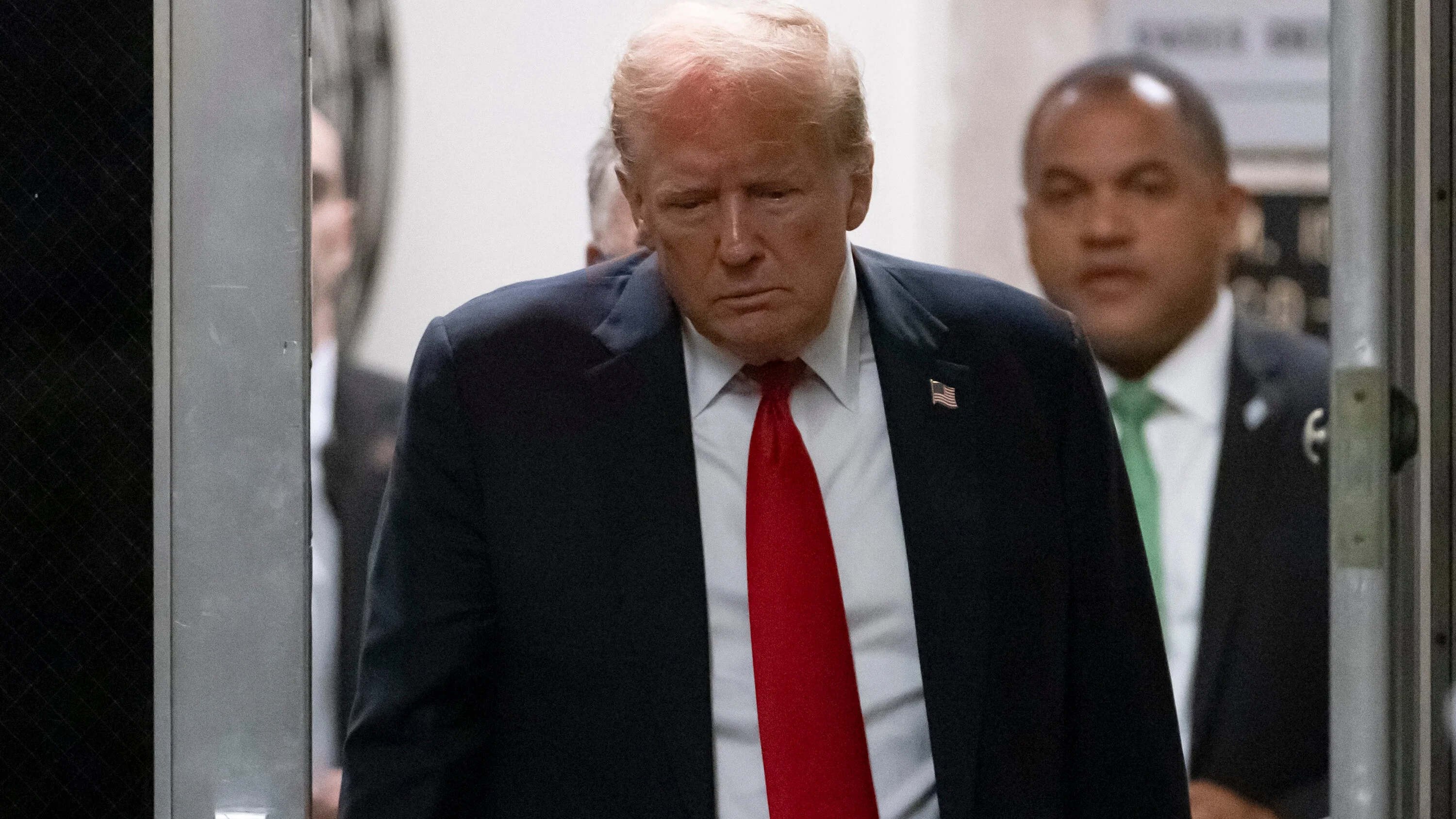
In a landmark move to address growing concerns over digital privacy and abuse, the U.S. Congress has passed bipartisan legislation that criminalizes the non-consensual distribution of explicit images—commonly referred to as “revenge porn.” The measure, included in a broader legislative package, now awaits President Donald Trump’s signature to become federal law.
The bill, formally titled the Stopping Harmful Image Exploitation and Limiting Distribution (SHIELD) Act, makes it a federal crime to share sexually explicit images or videos of individuals without their consent, when done with the intent to cause harm. Violators could face fines and up to five years in prison under the proposed law.
Digital Abuse Gets National Attention
For years, victims’ advocates have lobbied for stronger protections against image-based sexual abuse. While over 40 states already have their own laws targeting revenge porn, the absence of a federal statute has left many victims without legal recourse, especially when content crosses state lines or is hosted on platforms operating nationally or internationally.
“This is a long-overdue step to protect Americans—especially women—from having their most intimate moments weaponized against them,” said Senator Richard Blumenthal (D-CT), one of the bill’s chief sponsors. “The internet should not be a place where abusers thrive at the expense of victims' dignity and safety.”
The legislation received rare bipartisan support, reflecting growing awareness of how damaging non-consensual image sharing can be in the digital era. Lawmakers also emphasized the importance of giving federal prosecutors clear authority to intervene in cross-border cases, where state laws may be insufficient.
Tech Platforms Under Scrutiny
The bill comes amid increasing scrutiny of social media and content-sharing platforms, which have often been criticized for failing to remove explicit content quickly or effectively. Although Section 230 of the Communications Decency Act still offers broad immunity to internet companies for user-generated content, the SHIELD Act is seen as a first step toward holding individuals—and possibly platforms—more accountable.
“This bill doesn’t override platform immunity,” noted Carrie Goldberg, a prominent attorney specializing in digital abuse cases. “But it does signal that Congress is taking image-based abuse seriously. It gives survivors a federal tool they’ve never had before.”
Awaiting Presidential Approval
With both chambers of Congress passing the bill by wide margins, attention now turns to President Trump, who is expected to sign the legislation into law. White House officials have not publicly commented on the measure, but sources indicate the administration is unlikely to oppose it.
If signed, the SHIELD Act would mark a significant shift in how the U.S. government approaches online privacy violations and intimate image exploitation. Advocacy groups, legal experts, and survivors of digital abuse have hailed the bill as a victory, though many stress that additional reforms will still be necessary.
“This isn’t the finish line—it’s the beginning,” said Mary Anne Franks, President of the Cyber Civil Rights Initiative. “But for countless victims who’ve been silenced and shamed, this law is a message that they are finally being heard.”