
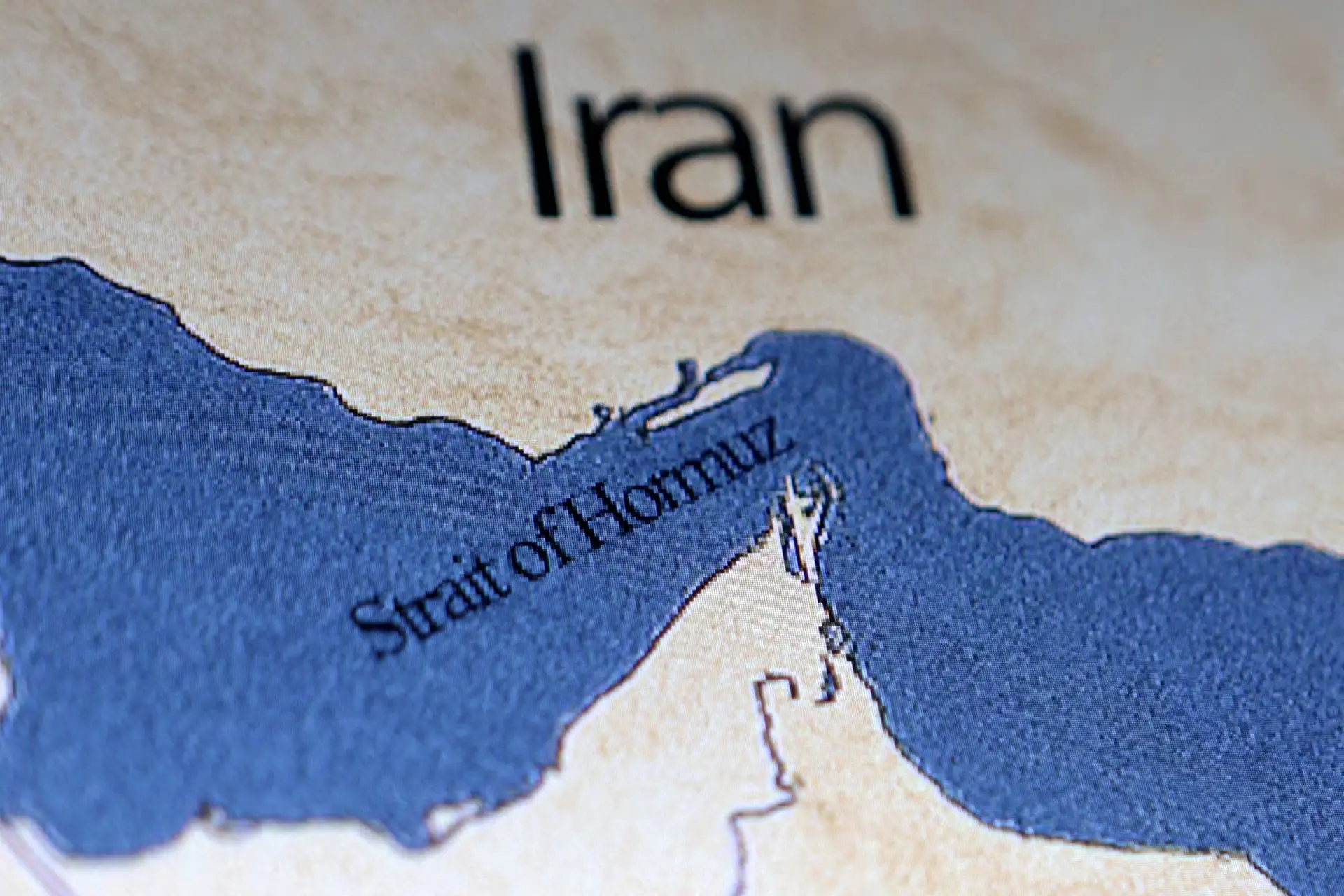
The Strait of Hormuz, widely known as one of the world’s most critical oil transit routes, is increasingly being discussed in a new context: global internet stability. As geopolitical tensions periodically flare in the region, analysts warn that a blockade or conflict could extend beyond energy markets and into digital infrastructure, potentially affecting connectivity across continents.
Undersea Cables: The Hidden Backbone
Beneath the waters of the Gulf and surrounding seas lies a dense network of submarine communication cables that carry vast amounts of global internet traffic. These fiber-optic cables connect Europe, Asia, and the Middle East, enabling everything from financial transactions to streaming services. While the Strait itself is not the single most cable-dense region globally, its proximity to key cable routes makes it strategically significant.
What Happens During a Blockade?
Experts suggest that a full-scale blockade of the Strait of Hormuz would not “break the internet” outright. However, it could lead to disruptions, increased latency, and rerouting of data traffic. Internet service providers are designed with redundancy in mind, meaning data can often be redirected through alternate routes. Still, such rerouting can strain other networks, potentially slowing speeds and increasing costs.
Regional Impact Could Be Severe
Countries in the Middle East would likely face the most immediate consequences. Nations heavily dependent on cables passing through or near the Gulf could experience outages or degraded services. Businesses relying on cloud computing, international communications, and financial systems might encounter interruptions, particularly in regions with limited alternative infrastructure.
Global Ripple Effects on Economy and Tech
Even regions far from the Strait could feel indirect effects. Financial markets, which depend on low-latency connections, may see increased volatility. Tech companies with data centers and operations spanning Europe and Asia could experience slower data transfers. Additionally, energy market disruptions caused by a blockade could compound the impact on digital economies.
Resilience and Preparedness
Telecom operators and global internet organizations have long anticipated risks to undersea cables, whether from natural disasters, accidents, or geopolitical conflicts. Investments in diversified cable routes, satellite backup systems, and terrestrial connections have improved resilience. Nonetheless, experts caution that no system is entirely immune to large-scale regional disruptions.
Not a Total Blackout, But a Wake-Up Call
While the idea of the internet collapsing due to a single chokepoint is largely exaggerated, the situation underscores the fragility of global digital infrastructure. A Hormuz blockade would likely act as a stress test, exposing vulnerabilities and reinforcing the need for further diversification and protection of critical communication networks.