
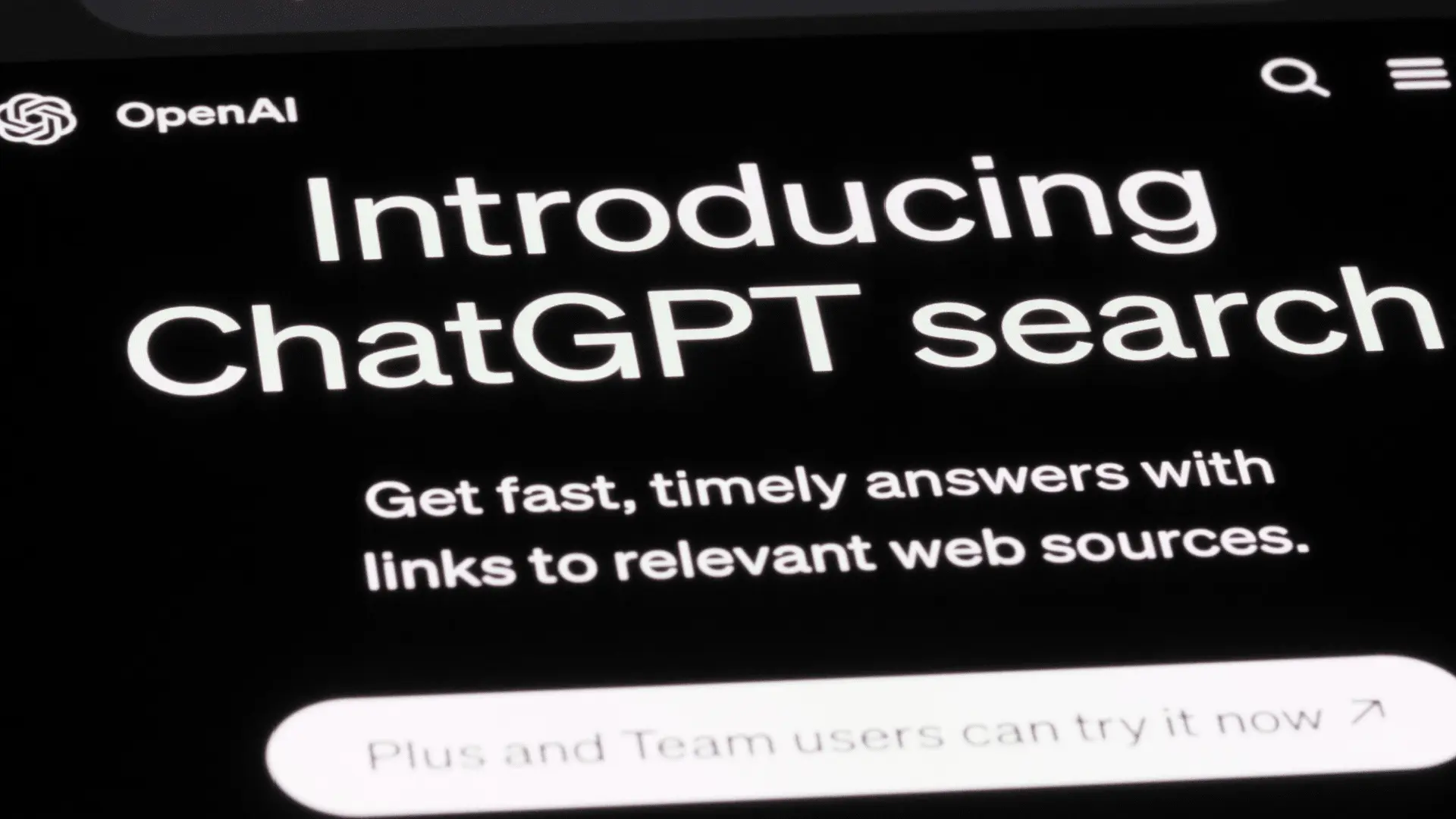
A strategic partnership between OpenAI and Shopify has sparked significant discussion in Silicon Valley and beyond, as it may pose a credible threat to Google’s long-standing dominance in search—particularly in the realm of product discovery and e-commerce. With ChatGPT now integrated into Shopify’s shopping assistant, users can bypass traditional search engines entirely to find and purchase products, raising key questions about how consumers access information and how businesses attract digital traffic.
The New Era of Conversational Commerce
OpenAI’s flagship product, ChatGPT, recently received e-commerce superpowers through its collaboration with Shopify. This integration allows users to search for products conversationally within ChatGPT, drawing on Shopify's merchant network to surface product listings, prices, and even allow transactions—all within the chat interface.
By embedding shopping capabilities directly into ChatGPT, users no longer need to type queries into Google, sift through ads, or click through pages of search results. Instead, they can ask, “Find me a minimalist coffee table under $200,” and instantly receive curated Shopify listings with purchase links—without ever leaving the app.
This is a direct challenge to one of Google's most lucrative business segments: product search.
Google’s E-Commerce Advantage—Now at Risk
Google has spent years building and refining its Shopping platform, and it still commands a vast share of product-related search queries. However, it relies heavily on ads, sponsored listings, and SEO strategies that many users find cluttered and commercialized.
ChatGPT's minimalist, user-first experience offers a stark contrast. It filters noise, understands context, and provides a streamlined path to purchasing—without needing to distinguish between organic results and paid promotions.
For merchants, this could mean a shift in marketing spend. Rather than focusing on Google Ads or SEO rankings, businesses might prioritize integration with AI platforms like ChatGPT, potentially rerouting billions of advertising dollars over time.
Why This Matters: Changing User Behavior
Historically, Google has benefited from being the default entry point to the internet. But generative AI is changing how people find information. If ChatGPT becomes the go-to assistant—not just for casual queries, but also for buying decisions—Google’s search volume could dip in key verticals like shopping, travel, and local services.
Data already suggests this trend may be underway. According to analytics firm SensorData, user engagement with AI chat interfaces for product recommendations rose 67% in Q1 2025, while traditional product search queries on Google plateaued. Younger consumers in particular show a strong preference for chat-based discovery.
What Google Is Doing About It
Google isn’t standing still. It has aggressively invested in its own AI assistant, Gemini, and is pushing to integrate conversational search into Android, Chrome, and Google Shopping. Still, the open ecosystem of ChatGPT—combined with partnerships like Shopify—gives OpenAI a powerful distribution edge.
Moreover, OpenAI’s direct relationships with platforms like Instacart, Expedia, and Shopify give it transactional capabilities Google currently lacks in its AI interfaces.
The Broader Stakes
At the heart of this rivalry is a larger battle over the future of the internet. Will it remain a search-based model, with users clicking through indexed links? Or will it shift toward AI-guided interaction, where agents make decisions and streamline outcomes?
For consumers, the change could mean more personalized, less overwhelming experiences. For Google, however, it may require a reinvention of its core business model. If fewer users click on search ads, the implications for Google's $200 billion ad business are profound.
Conclusion
The Shopify-ChatGPT alliance may seem like a niche innovation, but it signals a deeper shift in how people find and buy things online. If AI assistants like ChatGPT become the new starting point for product discovery, Google’s search business could face a slow but seismic disruption. The search giant’s response in the coming months may determine whether it can adapt—or fall behind in the AI-driven digital economy.