
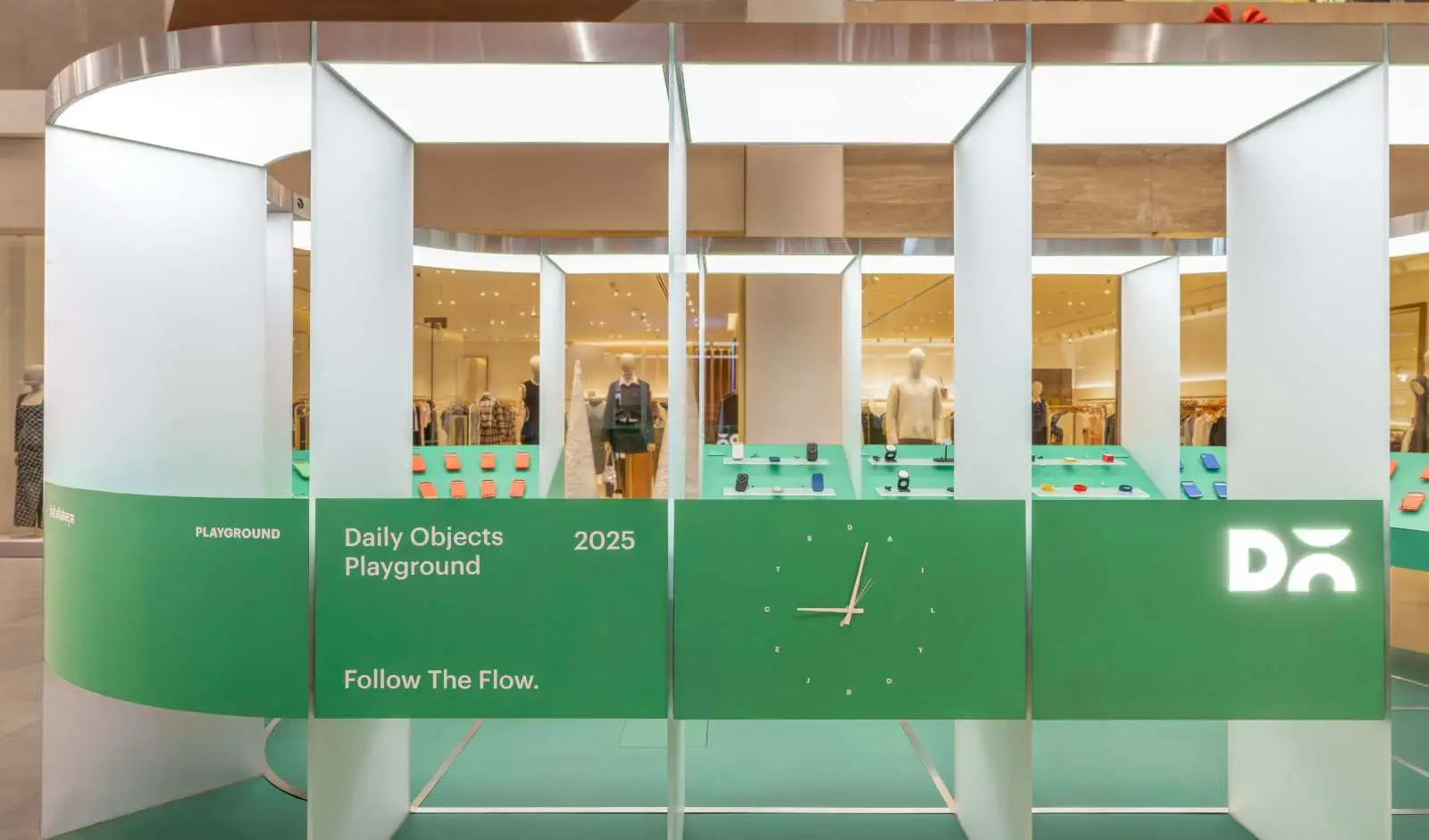
Direct-to-consumer (D2C) brand DailyObjects is seeing a notable shift in where its growth is coming from. According to the company’s CEO, nearly one-third of its total sales now originate from non-metro cities, underscoring how India’s consumption engine is expanding beyond traditional urban hubs.
This isn’t just a company-specific trend—it reflects a broader transformation in India’s retail and e-commerce landscape, where Tier-2 and Tier-3 cities are increasingly shaping demand.
What’s Driving Non-Metro Growth?
Several structural changes are fueling this rise in non-metro consumption:
1. Digital penetration and smartphone access
Affordable smartphones and cheaper data have brought millions of new users online. This has enabled consumers in smaller cities to discover and purchase lifestyle products that were once limited to metros.
2. Improved logistics and delivery networks
E-commerce infrastructure has significantly improved over the past few years. Faster delivery timelines and deeper pin-code coverage have reduced friction for non-metro buyers.
3. Aspirational consumption
Consumers in smaller cities are increasingly willing to spend on premium-looking, design-led products—especially in categories like mobile accessories, lifestyle gear, and personalization, which DailyObjects focuses on.
4. Trust in D2C brands
The rise of digital-first brands has built trust through consistent quality, branding, and social media engagement, making customers more comfortable buying directly online.
DailyObjects’ Strategy: Designing for a Wider India
DailyObjects, known for its tech accessories and lifestyle products, has benefited from positioning itself as an affordable premium brand. Its product design, customization options, and pricing strategy make it accessible to a wider audience beyond metros.
The company’s approach includes:
- Offering design-centric products that appeal to younger consumers
- Maintaining competitive pricing without diluting brand perception
- Leveraging online-first distribution to reach deeper markets
This strategy aligns well with evolving demand in non-metro regions, where consumers seek value but don’t want to compromise on aesthetics or quality.
Industry-Wide Trend, Not an Isolated Case
DailyObjects is not alone in witnessing this shift. Across India’s D2C and e-commerce ecosystem, companies are reporting faster growth rates in Tier-2 and Tier-3 cities compared to metros.
Industry data in recent years has consistently shown:
- A majority of new internet users now come from non-metro regions
- E-commerce order volumes from smaller cities growing at a higher pace
- Increasing average order values as consumer confidence rises
This suggests that the “next 100 million shoppers” are firmly rooted outside India’s largest cities.
Challenges Still Exist
Despite the growth, tapping non-metro markets isn’t without hurdles:
- Logistics costs can still be higher in remote areas
- Return rates may vary due to sizing or product expectations
- Localized marketing is required to connect with diverse audiences
- Payment preferences (like COD) can impact margins
Brands need to balance expansion with operational efficiency to sustain growth.
What This Means for the Future of Indian Retail
The takeaway is clear: India’s consumption growth is decentralizing. Non-metro cities are no longer secondary markets—they are becoming primary growth drivers.
For brands, this means:
- Rethinking product pricing and positioning
- Investing in supply chain and last-mile delivery
- Creating regionally relevant marketing strategies
- Building trust through consistent customer experience
For the broader economy, it signals a more balanced distribution of consumption power across the country.
The Bottom Line
DailyObjects’ revelation that one-third of its sales come from non-metro cities is more than a statistic—it’s a signal of where India’s retail future lies. As digital access deepens and aspirations rise, smaller cities are no longer playing catch-up; they are actively shaping demand.