
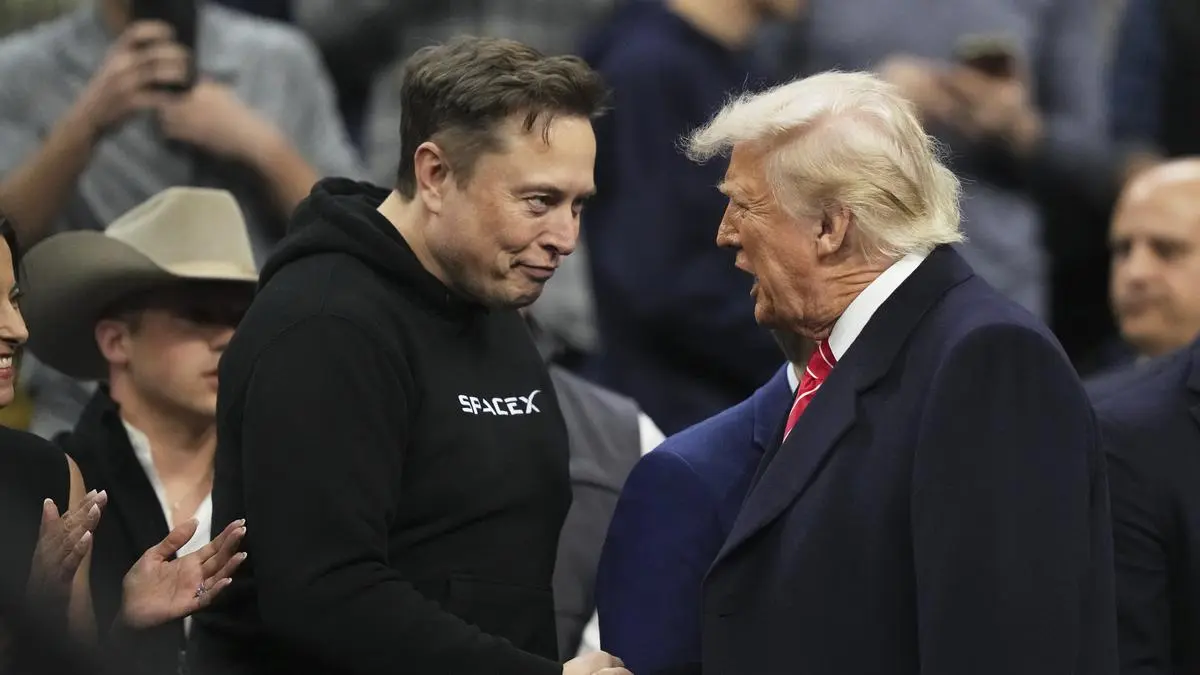
Billionaire entrepreneur Elon Musk has officially stepped down from his advisory role within the Trump administration following growing tensions over a controversial legislative measure dubbed the "big beautiful bill" by former President Donald Trump.
Musk, the CEO of Tesla and SpaceX, had served on several White House advisory councils during Trump's tenure, including the Manufacturing Jobs Initiative and the Strategic and Policy Forum. While his involvement initially aimed to foster collaboration between the tech industry and the federal government, ideological rifts became increasingly apparent over time.
Breaking Point Over Policy
The tipping point reportedly came after Musk openly criticized the administration’s support for a sweeping legislative package championed by Trump — colloquially referred to as the “big beautiful bill.” Though the specific contents of the bill have varied depending on context, it has often been associated with controversial deregulation, climate policy rollbacks, or major tax reform initiatives promoted during Trump’s presidency.
Musk, a staunch advocate for renewable energy and environmental responsibility, voiced sharp disapproval of the bill’s implications. In a recent public statement, he said, “We cannot support legislation that actively undermines the global effort to combat climate change. Leadership must reflect responsibility, not just rhetoric.”
A Principled Departure
Citing "fundamental disagreements" on key policy areas, Musk formally announced his resignation from the administration’s advisory roles. He emphasized that while dialogue with the government is important, compromise on core values is not an option.
"Advising any government should not mean compromising one’s ethical compass," Musk posted on X (formerly Twitter). "When it becomes clear that progress and sustainability are being sidelined, it's time to step away."
This decision follows a series of other high-profile departures from the advisory councils, many of which disbanded in the wake of mounting public pressure and controversy.
Reactions from Both Sides
The White House responded to Musk’s departure with a brief statement, thanking him for his past contributions but maintaining that the administration’s legislative agenda “remains focused on economic growth and American industry.”
Critics of the Trump administration have lauded Musk’s decision as a principled stand, while supporters argue that the bill is necessary to bolster American competitiveness.
Analysts say Musk’s exit may also reflect a broader disconnect between Silicon Valley and political leadership in Washington, particularly on issues related to science, innovation, and climate policy.
Looking Forward
Musk has reaffirmed his commitment to advancing clean energy technologies, electric transportation, and space exploration, vowing to continue these efforts independently of federal policymaking.
“As entrepreneurs, we have a duty not just to build businesses, but to build a future we can be proud of,” he said.
Though his formal ties with the administration have been severed, Musk’s influence in the public sphere remains potent — both as a technological visionary and as a voice challenging political inertia on some of the planet’s most pressing challenges.