
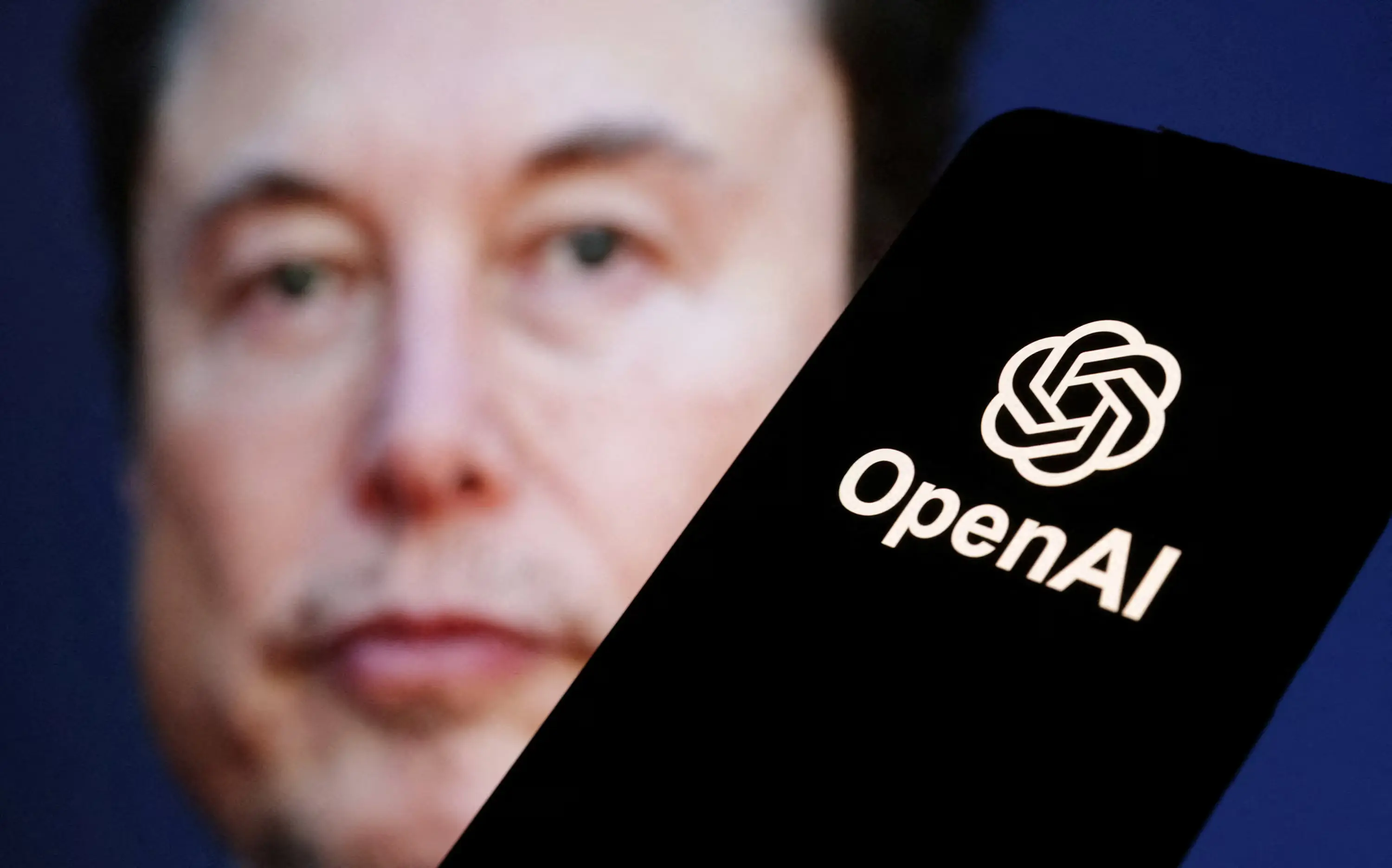
In a significant legal development, OpenAI and its co-founder Elon Musk have agreed to an expedited trial regarding Musk’s lawsuit against the artificial intelligence firm. The case, which centers around OpenAI’s transition from a nonprofit to a for-profit entity, has garnered widespread attention due to its implications for the AI industry and corporate governance.
Background of the Lawsuit
Elon Musk, a co-founder and early supporter of OpenAI, filed a lawsuit against the company in February 2024, alleging that it deviated from its original mission of developing artificial intelligence for the benefit of humanity. Musk contends that OpenAI’s shift toward a for-profit model—especially its lucrative partnership with Microsoft—violates the principles upon which the organization was founded.
Musk argues that OpenAI, initially structured as a nonprofit in 2015, was meant to prioritize open research and AI safety rather than commercial interests. However, since transitioning to a capped-profit model in 2019, the company has engaged in high-value corporate deals, including exclusive agreements with Microsoft, which Musk claims contradict the original ethos of the organization.
The Fast-Tracked Legal Battle
In a joint agreement submitted to the court, both parties consented to expedite proceedings, allowing the trial to commence earlier than initially scheduled. This move suggests that both OpenAI and Musk are eager to resolve the matter swiftly. While the precise timeline remains undisclosed, legal experts speculate that the case could go to trial as early as mid-2025.
A spokesperson for OpenAI confirmed the agreement, stating, “We welcome the opportunity to present our case and clarify the company’s evolution and commitments.” Musk’s legal team similarly emphasized the need for a rapid resolution, citing the case’s potential impact on AI development and transparency.
Key Legal Arguments
Musk’s lawsuit primarily hinges on contractual and ethical considerations. His legal team alleges that OpenAI violated its founding agreements and that its exclusive licensing deals, particularly with Microsoft, restrict public access to cutting-edge AI models, contrary to the organization's original mission.
OpenAI, on the other hand, argues that its transition to a for-profit structure was necessary for scaling research and development in a rapidly advancing AI landscape. The company asserts that it remains committed to ethical AI practices and transparency, despite its evolving business model.
Implications for the AI Industry
The trial’s outcome could have far-reaching consequences for AI governance, particularly regarding nonprofit AI organizations shifting to commercial models. Industry analysts note that a ruling in Musk’s favor could set a precedent for increased oversight and accountability in AI research institutions.
Moreover, the case raises broader questions about the balance between innovation, public benefit, and corporate influence in the AI sector. If OpenAI prevails, it may reinforce the argument that large-scale AI development requires significant funding and strategic partnerships, even at the cost of its original nonprofit commitments.
What’s Next?
As the trial approaches, legal analysts anticipate an intense courtroom battle, with both sides presenting compelling arguments about the future of AI development and governance. Observers will closely watch how the court weighs OpenAI’s commercial success against its founding principles and whether Musk’s claims of ethical breaches hold legal merit.
With AI rapidly reshaping industries and economies, the OpenAI-Musk legal showdown could become a defining moment in the ongoing debate over the commercialization of artificial intelligence.
This is a developing story. Stay tuned for further updates.