
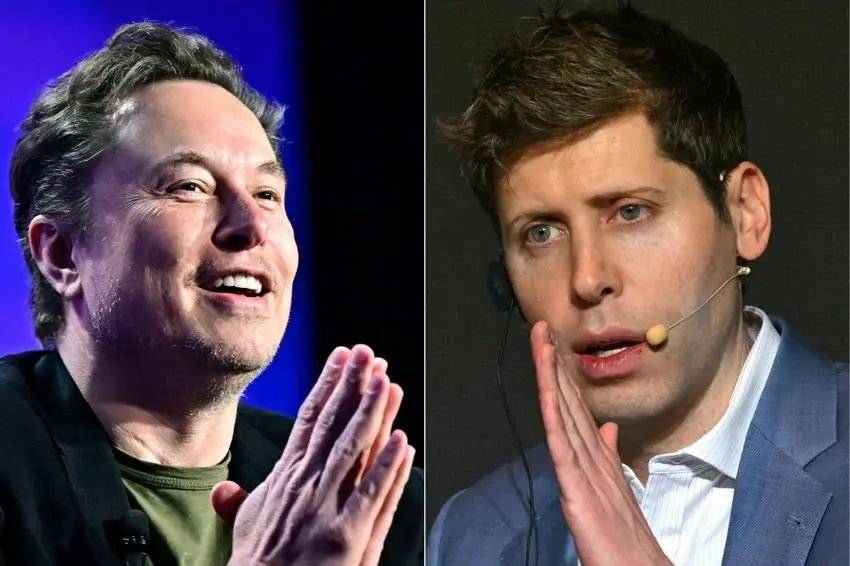
The legal showdown between Elon Musk and OpenAI has reached a significant milestone, with a jury now officially seated to hear the case. This development signals the transition from pre-trial arguments to a more intense courtroom phase, where both sides will present evidence, witnesses, and competing narratives.
The case has drawn widespread attention not just because of the high-profile personalities involved, but also due to the broader implications it carries for the future of artificial intelligence governance.
Core Dispute: Mission vs Monetization
At the heart of the lawsuit lies a fundamental disagreement over OpenAI’s original mission. Elon Musk, one of the organization’s early backers, has argued that OpenAI deviated from its founding principles as a nonprofit focused on benefiting humanity.
According to Musk’s claims, the company’s transition toward a more commercial, profit-linked structure — including strategic partnerships and revenue-driven models — represents a breach of its initial commitments.
OpenAI, on the other hand, has consistently maintained that evolving its structure was necessary to secure the massive capital required to develop advanced AI systems, which are increasingly resource-intensive.
Why the Jury Matters
The empaneling of a jury introduces a new layer of unpredictability into the case. Unlike purely technical or regulatory disputes decided by judges, jury trials hinge on how effectively each side communicates its narrative in accessible, persuasive terms.
For a case involving complex issues like AI development, corporate governance, and ethical commitments, this becomes especially critical. Legal experts suggest that simplifying highly technical arguments into relatable concepts will be key for both sides.
Broader Implications for the AI Ecosystem
This lawsuit goes far beyond a dispute between Musk and OpenAI. It touches on several pressing questions facing the AI industry:
- Can AI organizations balance profit motives with public-interest goals?
- How should founding charters and mission statements be interpreted as companies evolve?
- What level of transparency is owed to early investors, stakeholders, and the public?
The outcome could set an informal precedent for how AI labs structure themselves going forward, especially as the sector continues to attract billions in funding.
Investor and Industry Reactions
The case is being closely tracked by investors, policymakers, and rival AI firms. For investors, it raises concerns about governance risks in rapidly evolving tech companies. For policymakers, it highlights the urgent need for clearer regulatory frameworks around AI development and corporate accountability.
Meanwhile, competing AI companies are watching carefully, as the verdict could influence how they position themselves in terms of transparency, ethics, and business models.
What Happens Next
With the jury now in place, the trial is expected to move into arguments and witness testimonies. Both sides are likely to present internal communications, strategic decisions, and expert opinions to support their claims.
Given the complexity and high stakes, the proceedings could extend over a considerable period. Regardless of the outcome, the case is already shaping conversations around trust, responsibility, and power in the AI era.
The Takeaway
This isn’t just a courtroom battle—it’s a defining moment for the AI industry. The Musk–OpenAI case underscores a growing tension between idealism and commercialization in cutting-edge technology.
For readers, the key takeaway is clear: as AI becomes more powerful and influential, the question is no longer just what these systems can do—but who controls them, and under what principles.