
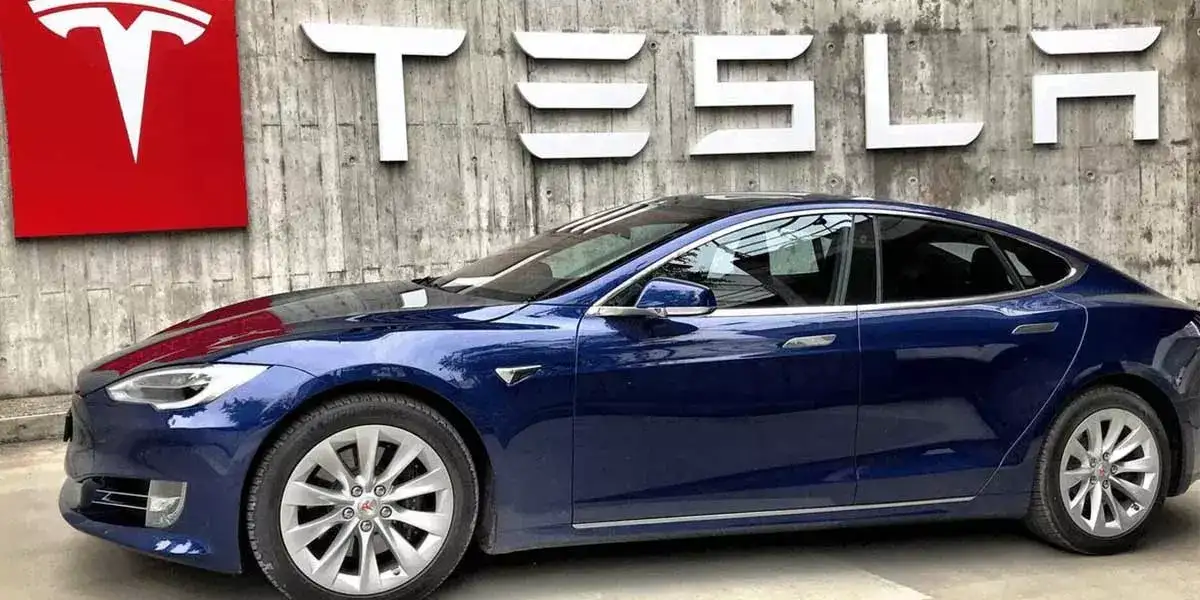
In a major announcement made via X (formerly Twitter), Elon Musk revealed that Grok, the conversational AI developed by his company xAI, will be available in Tesla vehicles starting next week. The move signals a bold step toward integrating advanced artificial intelligence into everyday mobility, aiming to enhance the in-car user experience for Tesla drivers worldwide.
Grok AI Integration Marks a New Era in Smart Driving
According to Musk, the rollout will begin with Tesla models that are equipped with the Full Self-Driving (FSD) computer and active premium connectivity subscriptions. Grok, which competes with AI platforms like ChatGPT and Gemini, will function as a real-time, voice-activated assistant, offering everything from navigation help to answering general questions and even engaging in casual conversation.
AI Co-Pilot: Grok to Revolutionize Tesla’s Cabin Experience
Grok’s integration could mark the beginning of a new era in AI-assisted driving. Unlike traditional voice assistants, Grok is designed to offer more human-like interaction by drawing on real-time data, contextual understanding, and a sense of humor—traits that have become its hallmark since launching earlier this year. Tesla drivers will soon be able to ask Grok about nearby restaurants, road conditions, or the latest news while keeping their hands on the wheel and eyes on the road.
Early Access for North America, Global Launch Soon
Initial deployment will target Tesla vehicles in North America, with other regions to follow. Users will receive the update through Tesla’s standard over-the-air software update system. Musk also hinted that Grok’s capabilities will be expanded in future updates, including deeper integration with Tesla’s Autopilot system and smart home ecosystems.
Industry Experts Weigh In on Tesla-Grok Synergy
Analysts suggest that Grok could offer Tesla a competitive edge in the increasingly AI-driven auto market. With voice AI becoming a key differentiator in the smart car segment, Tesla’s homegrown solution may not only reduce dependency on third-party providers but also ensure tighter control over user data and AI innovation.