
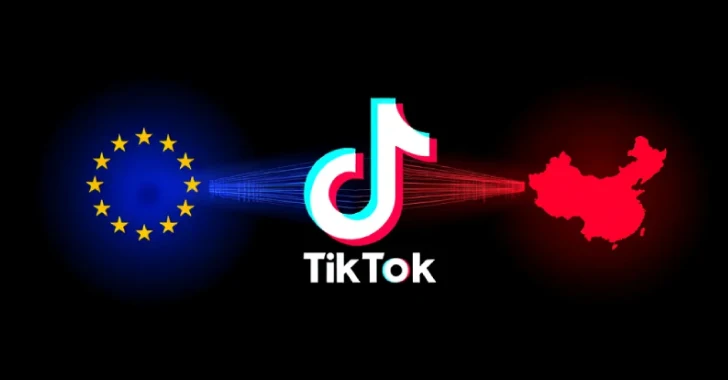
TikTok has been hit with a record €530 million fine by the European Union following the conclusion of a high-profile investigation into the platform's handling of user data and alleged transfers to China. The fine marks one of the largest ever imposed under the EU’s General Data Protection Regulation (GDPR), raising fresh concerns about data privacy and the reach of Chinese-owned tech firms in Europe.
The European Data Protection Board (EDPB), which coordinated the multi-country probe, found that TikTok, owned by Beijing-based ByteDance, failed to adequately safeguard European users' data and did not maintain transparency regarding how this information was being processed or accessed overseas.
Key Findings of the Investigation
According to regulators, the investigation uncovered that TikTok had been transferring user data—including that of minors—to servers potentially accessible by ByteDance employees in China, in violation of EU data protection laws. While TikTok has repeatedly denied any wrongdoing and stated that it stores European user data in servers based in Dublin and Norway, regulators argued that the company had not implemented sufficient technical or legal safeguards to prevent unauthorized access from jurisdictions outside the EU.
The report also flagged that TikTok’s consent mechanisms, particularly for younger users, were not GDPR-compliant. The company allegedly failed to obtain explicit, informed consent from users under 18, and in some cases, collected data without adequate parental controls.
EU Officials Voice Concerns
“European citizens deserve transparency and control over their personal information,” said Anu Järvinen, a spokesperson for the EDPB. “This decision underlines the importance of strong data protection enforcement, especially when foreign access to sensitive data is involved.”
The EDPB emphasized that while there is no definitive proof of Chinese government access to TikTok data, the lack of safeguards presented a significant risk, warranting both the fine and a mandate for TikTok to overhaul its data handling practices.
TikTok Responds
In a statement issued shortly after the ruling, TikTok expressed disappointment and said it plans to appeal the decision. The company defended its data protection practices and insisted that it has taken “robust steps to isolate European user data,” including the development of its so-called “Project Clover,” an initiative designed to localize data storage and limit access by non-EU personnel.
“We disagree with the decision and believe it is based on outdated practices that have since been significantly changed,” a TikTok spokesperson said. “We remain committed to protecting the privacy of our community and will work constructively with European regulators.”
Wider Implications
The decision adds to the growing scrutiny of TikTok across Western nations. The U.S., U.K., Canada, and Australia have already imposed varying restrictions on the app over national security concerns. The European Union's latest move could set a precedent for stricter cross-border data transfer rules, especially involving companies headquartered in countries with different data governance frameworks.
Experts believe this case could ripple through the tech industry, prompting other platforms to reassess how they handle international data flows. “This isn't just about TikTok,” said Marie DeBois, a Brussels-based data policy analyst. “It’s a wake-up call for all tech firms operating in the EU to take privacy rules seriously—no matter where their parent company is based.”
As the appeal process unfolds, TikTok now faces both reputational damage and increased regulatory oversight, with further audits likely on the horizon.