
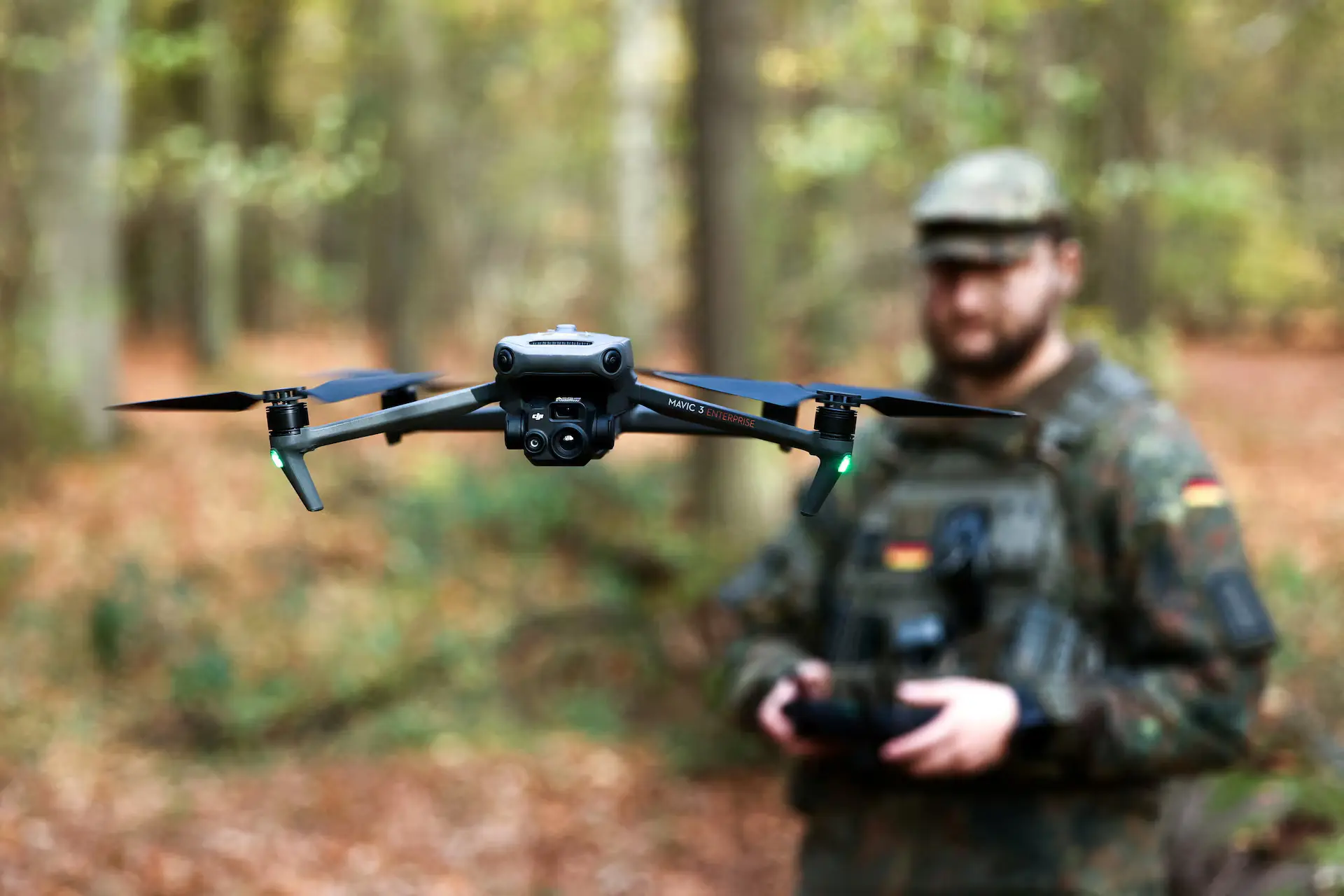
Germany’s armed forces, the Bundeswehr, are increasingly exploring artificial intelligence (AI) technologies to enhance decision-making speed during wartime scenarios. Defense officials and military experts suggest that integrating AI tools could significantly reduce the time required to analyze complex battlefield data, enabling quicker and more informed responses in high-pressure situations.
Focus on Speed and Precision in Combat
Modern warfare generates vast amounts of data from satellites, drones, reconnaissance units, and cyber intelligence systems. The German military believes AI can help process this data in real time, identifying threats, predicting enemy movements, and suggesting tactical responses. By automating parts of the decision-making chain, commanders may gain a critical advantage in rapidly evolving combat environments.
Balancing Automation with Human Oversight
Despite the push toward AI adoption, German defense authorities emphasize that human control will remain central to military operations. Officials have indicated that AI systems are intended to support—not replace—commanders. Ethical concerns, including accountability and compliance with international law, remain key considerations as these technologies are developed and tested.
Collaboration with Tech Industry and NATO Allies
Germany is working closely with domestic technology firms, research institutions, and NATO partners to develop and refine AI-powered defense tools. Joint projects focus on improving interoperability, ensuring that allied forces can share and act on AI-generated insights seamlessly during joint missions.
Rising Global Competition in Military AI
Germany’s efforts reflect a broader global trend, as major powers invest heavily in AI for defense purposes. Countries such as the United States, China, and Russia have already made significant progress in deploying AI-driven systems for surveillance, logistics, and autonomous operations. Analysts say Europe’s push is partly aimed at closing this technological gap.
Challenges and Future Outlook
While the potential benefits are substantial, challenges remain. These include data security risks, system reliability under combat conditions, and the need for rigorous testing to prevent unintended consequences. Experts warn that over-reliance on automated systems could introduce vulnerabilities if adversaries exploit weaknesses in AI models.
Nevertheless, the Bundeswehr’s exploration of AI signals a major shift in military strategy, where speed, data dominance, and technological superiority are becoming as crucial as traditional combat capabilities.