
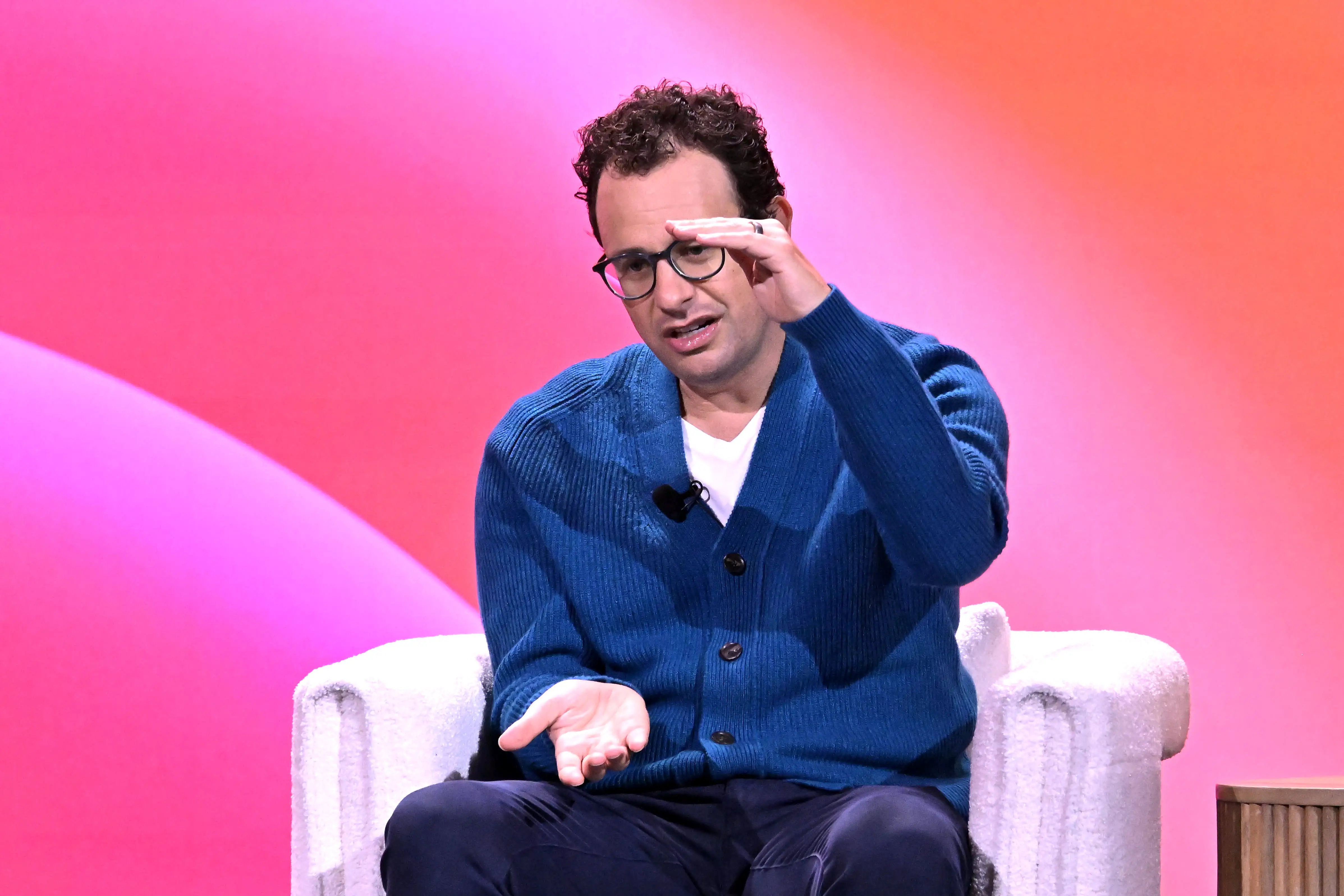
Google is reportedly preparing to invest as much as $40 billion in Anthropic, one of the most prominent AI startups competing with OpenAI. While the exact structure and timeline of the deal are still being finalized, the scale alone signals a decisive shift in how aggressively Big Tech is positioning itself in the artificial intelligence race.
Anthropic, known for its Claude family of AI models, has rapidly emerged as a serious contender in the generative AI space, particularly among enterprise users who prioritize safety, controllability, and transparency in AI systems.
Why Anthropic Matters in the AI Ecosystem
Founded by former OpenAI researchers, Anthropic has differentiated itself by focusing on “constitutional AI,” a framework designed to make models safer and more predictable. Its Claude models are already integrated into enterprise workflows, customer service systems, and coding tools.
Unlike some competitors, Anthropic emphasizes reliability and alignment—two factors increasingly critical as businesses adopt AI at scale. This focus has made it an attractive partner for companies like Google, which are looking to balance innovation with regulatory and reputational risks.
Google’s Bigger AI Strategy Comes Into Focus
This potential investment is not happening in isolation. Google has been steadily expanding its AI capabilities through DeepMind, Gemini models, and Google Cloud AI services. However, the company faces intense competition from Microsoft, which has already committed billions to OpenAI.
By backing Anthropic at this scale, Google appears to be pursuing a dual-track strategy:
- Strengthening its cloud ecosystem with cutting-edge AI models
- Ensuring it has multiple bets in the rapidly evolving AI landscape
Anthropic’s models are already closely tied to Google Cloud infrastructure, and a larger investment could deepen that integration, driving enterprise adoption.
Escalating the AI Arms Race
The reported $40 billion figure, if realized, would rank among the largest private investments in AI history. It underscores how high the stakes have become, with companies racing to secure talent, compute resources, and model leadership.
The AI competition is no longer just about chatbots—it now spans:
- Enterprise productivity tools
- Software development automation
- Search and information retrieval
- Autonomous systems and decision-making
In this context, Anthropic represents both a technological asset and a strategic hedge against rivals.
Implications for Businesses and Developers
For enterprises, this development could mean faster innovation and more robust AI tools integrated into cloud platforms. A stronger Google-Anthropic partnership may lead to:
- Improved enterprise-grade AI APIs
- More secure and compliant AI deployments
- Competitive pricing in cloud AI services
Developers could also benefit from broader access to Claude models and tighter integration with Google’s ecosystem, including tools like Vertex AI.
Regulatory and Market Considerations
Such a large investment is likely to attract scrutiny from regulators, especially as governments worldwide examine the growing influence of Big Tech in AI. Concerns around competition, data control, and market dominance could shape how the deal is structured.
At the same time, investors are closely watching valuation trends in AI startups, as funding levels continue to surge amid strong demand for generative AI capabilities.
What This Means Going Forward
If finalized, Google’s investment in Anthropic could redefine alliances within the AI industry. It would strengthen Anthropic’s position as a top-tier AI lab while giving Google a powerful counterweight to Microsoft’s OpenAI partnership.
More broadly, the move highlights a clear takeaway: the future of AI will be shaped not just by technology, but by strategic capital, infrastructure, and ecosystem control.