
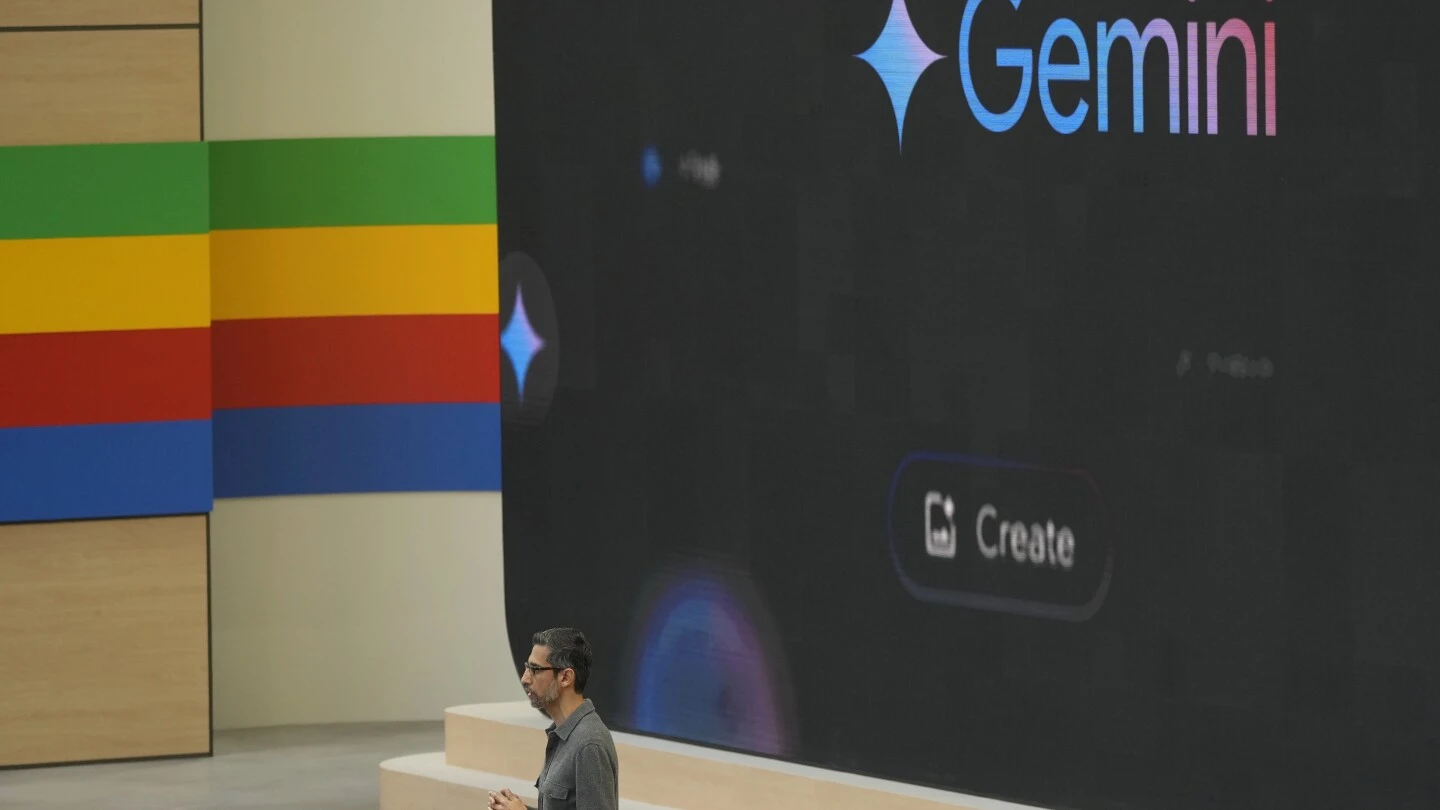
Google has rolled out Gemini, its flagship artificial intelligence model, directly into the Chrome browser. The announcement comes just weeks after the company sidestepped a possible antitrust breakup, a legal battle that had threatened to fragment its vast ecosystem. By embedding Gemini into Chrome, Google strengthens its position in the AI race while demonstrating to regulators that integration can benefit consumers.
Gemini-Powered Chrome: What Users Get
The integration introduces several AI-driven features, including smarter search results, contextual browsing suggestions, real-time writing assistance, and AI-powered tab organization. Users can now interact with Gemini directly within Chrome’s interface, eliminating the need for external extensions or third-party tools. Early demonstrations show how Gemini can summarize web pages, suggest follow-up queries, and even generate content drafts for emails or documents.
Regulatory Timing Raises Eyebrows
The timing of the rollout has sparked debate among industry watchers. Critics argue that Google’s ability to launch such deep integrations so soon after escaping a potential breakup highlights the company’s unmatched dominance in the browser market. Regulators had previously scrutinized Chrome’s market share, but Google maintains that Gemini enhances user experience rather than restricting competition.
Industry Impact and Competitive Pressure
With Gemini inside Chrome, Google is positioning its browser as not just a web tool but an intelligent digital assistant. This move intensifies competition with Microsoft’s Copilot integration in Edge and OpenAI’s partnerships with major platforms. Analysts believe that while Google gained short-term regulatory relief, its deeper push into AI could trigger fresh antitrust scrutiny down the road.
What’s Next for Google Users
The rollout of Gemini in Chrome will initially be available in select regions, with global availability expected in the coming months. Google has hinted at further expansions, including Gemini’s use in Gmail, Docs, and Android systems. For now, Chrome users can expect a seamless blend of browsing and AI assistance, signaling the beginning of a new era of AI-first internet experiences.