
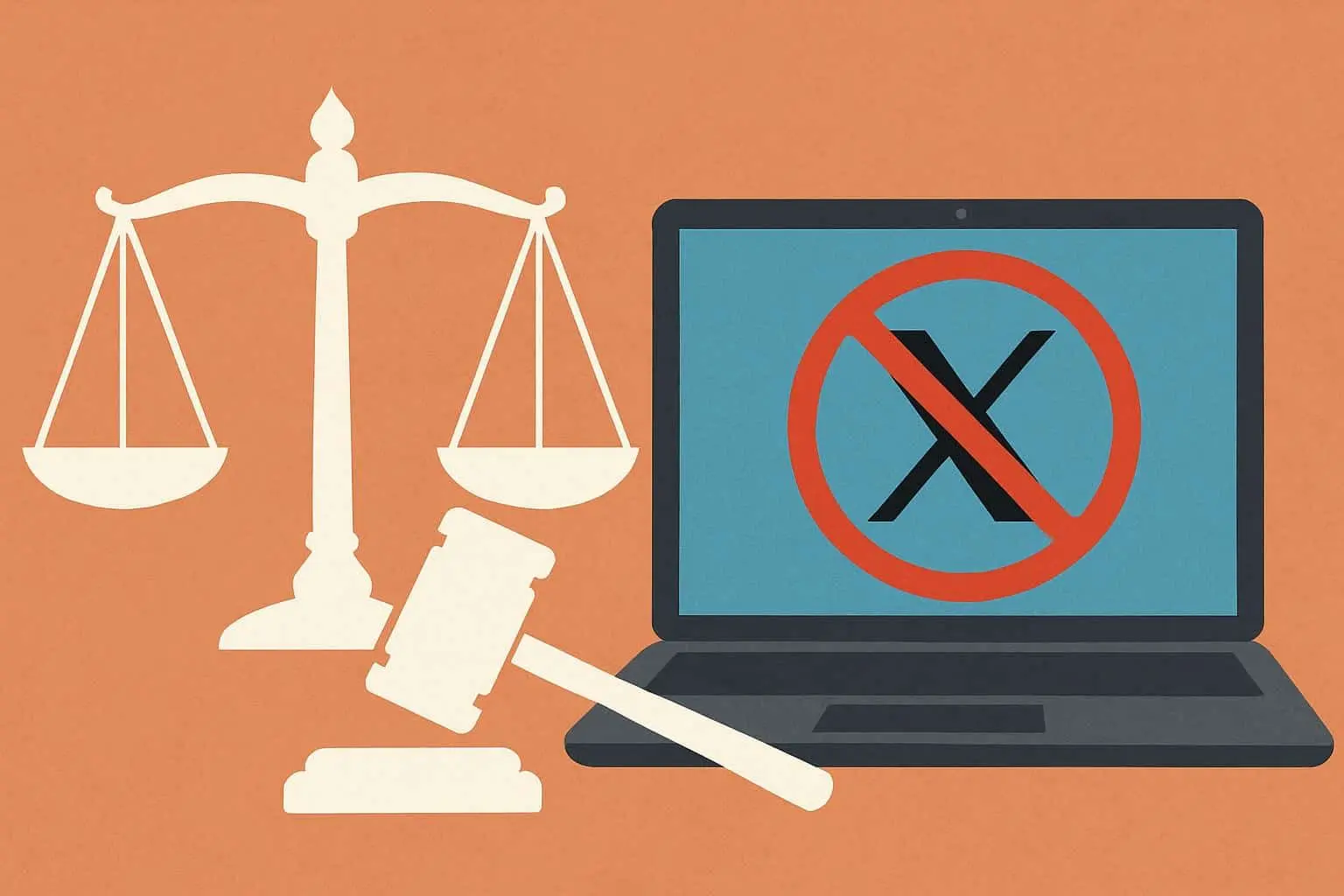
India’s government has reportedly sought the removal of several posts from social media platforms X (formerly Twitter) and Instagram, with many of the targeted posts containing criticism or satire related to Prime Minister Narendra Modi and recent regulations issued by the University Grants Commission (UGC).
According to reports citing platform transparency data and digital rights groups, the content flagged by authorities included political commentary, satirical posts, and critical opinions about government policies. Some of these posts were reportedly taken down after the platforms received official legal requests from government agencies.
UGC Regulations Become a Focus of Online Satire
A significant portion of the content targeted for removal reportedly involved satirical commentary about newly proposed UGC guidelines affecting higher education institutions. The rules, which deal with governance and operational structures in universities, have sparked intense debate among students, faculty members, and education experts.
Online users began sharing memes, parody videos, and commentary criticizing the proposed regulations. Authorities reportedly categorized some of these posts as misleading or potentially harmful, prompting takedown notices sent to the platforms.
Criticism of the Prime Minister Also Targeted
Some of the flagged posts contained direct criticism or satire involving Prime Minister Narendra Modi. While criticism of political leaders is common on social media, certain posts were reportedly identified by officials as violating local laws related to misinformation, public order, or defamation.
Legal experts say the government can request content removal under India’s Information Technology Act and intermediary rules, which require platforms to act on lawful orders from authorities.
Social Media Platforms Under Pressure
Platforms like X and Instagram (owned by Meta) must decide whether to comply with government takedown requests or challenge them legally. In many cases, companies remove content within India to avoid penalties or potential legal consequences.
Transparency reports from major platforms have shown that government requests for content removal in India have increased in recent years, reflecting growing regulatory oversight of online speech.
Industry observers say the platforms often use geo-blocking, meaning content may remain visible globally but becomes inaccessible to users within India.
Digital Rights Groups Raise Concerns
Civil society organizations and digital rights advocates have expressed concern that such takedown requests could discourage political expression and satire, which are traditionally considered important elements of democratic debate.
Groups advocating for internet freedom argue that greater transparency is needed around which posts are being removed and under what legal justification. They also warn that vague definitions of misinformation or public harm could lead to broader restrictions on online speech.
Debate Over Free Speech and Regulation Continues
The controversy highlights the ongoing tension between government efforts to regulate digital platforms and concerns about protecting free expression online.
As social media remains a key platform for political debate in India, experts say the issue is likely to continue drawing attention from lawmakers, technology companies, journalists, and civil society groups.