
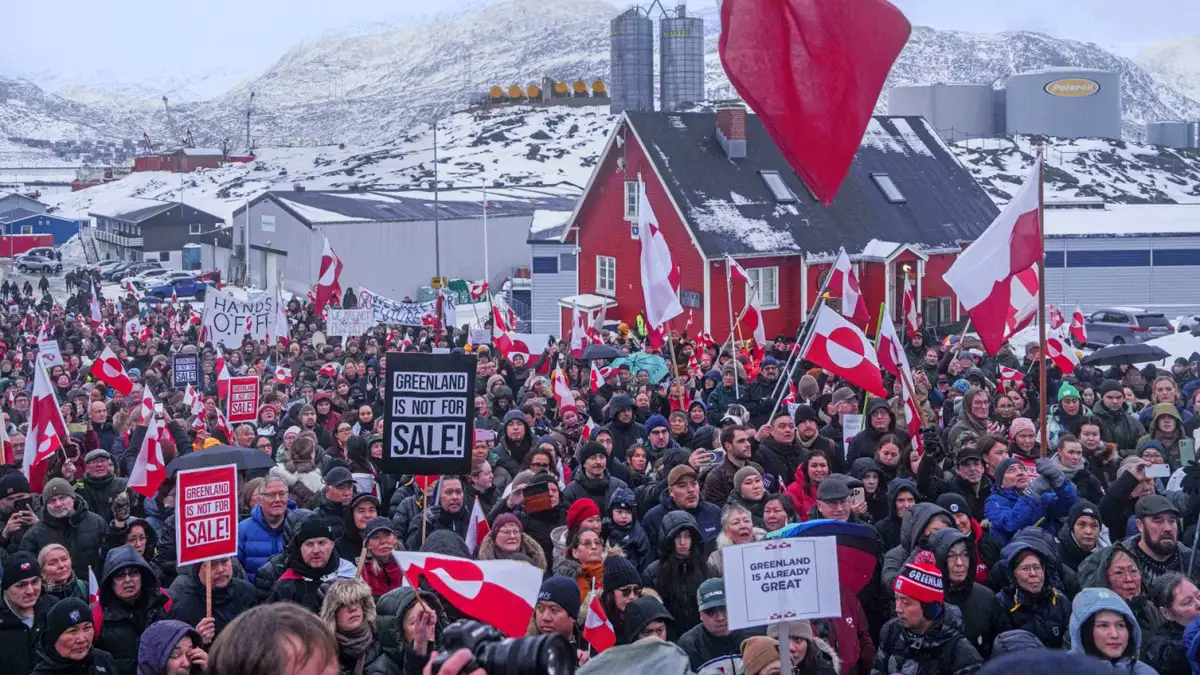
As diplomatic tensions surrounding Greenland resurface, a wave of digital activism is gaining ground across Europe and parts of the Global South. Mobile applications designed to help consumers identify and boycott US-made goods have seen a sharp rise in downloads, reflecting growing public frustration with Washington’s stance on Arctic geopolitics and territorial influence.
Greenland Crisis Rekindles Old Sensitivities
The renewed crisis stems from heightened US interest in Greenland’s strategic location and vast mineral reserves, including rare earth elements critical to clean energy and defense technologies. While American officials frame the interest as economic and security-driven, critics view it as geopolitical overreach, reviving long-standing concerns about sovereignty and neocolonial influence in the Arctic region.
Boycott Apps Climb App Store Rankings
Several boycott-focused apps—allowing users to scan barcodes, track product origins, and flag US-linked brands—have climbed rapidly in app store rankings. Developers behind these platforms say user engagement spiked following recent headlines on Greenland, with social media acting as a powerful amplifier for calls to avoid American products.
Consumers Turn to Economic Pressure
Unlike traditional protests, these apps channel dissent into everyday purchasing decisions. Users argue that economic pressure is one of the few tools available to ordinary citizens to express political opposition. By choosing alternatives to US goods, they aim to send a message to corporations and policymakers alike.
Businesses and Analysts React Cautiously
Market analysts caution that while digital boycotts generate visibility, their long-term economic impact is often limited unless adopted at scale. However, brands with strong US associations are reportedly monitoring sentiment closely, especially in European markets where Greenland-related issues resonate more deeply due to regional proximity.
A Broader Shift in Protest Culture
The rise of boycott apps highlights a broader shift in how political dissatisfaction is expressed. Technology is increasingly turning smartphones into tools of protest, blurring the line between activism and consumer behavior. As the Greenland situation continues to evolve, digital platforms are likely to play an even greater role in shaping public response.