
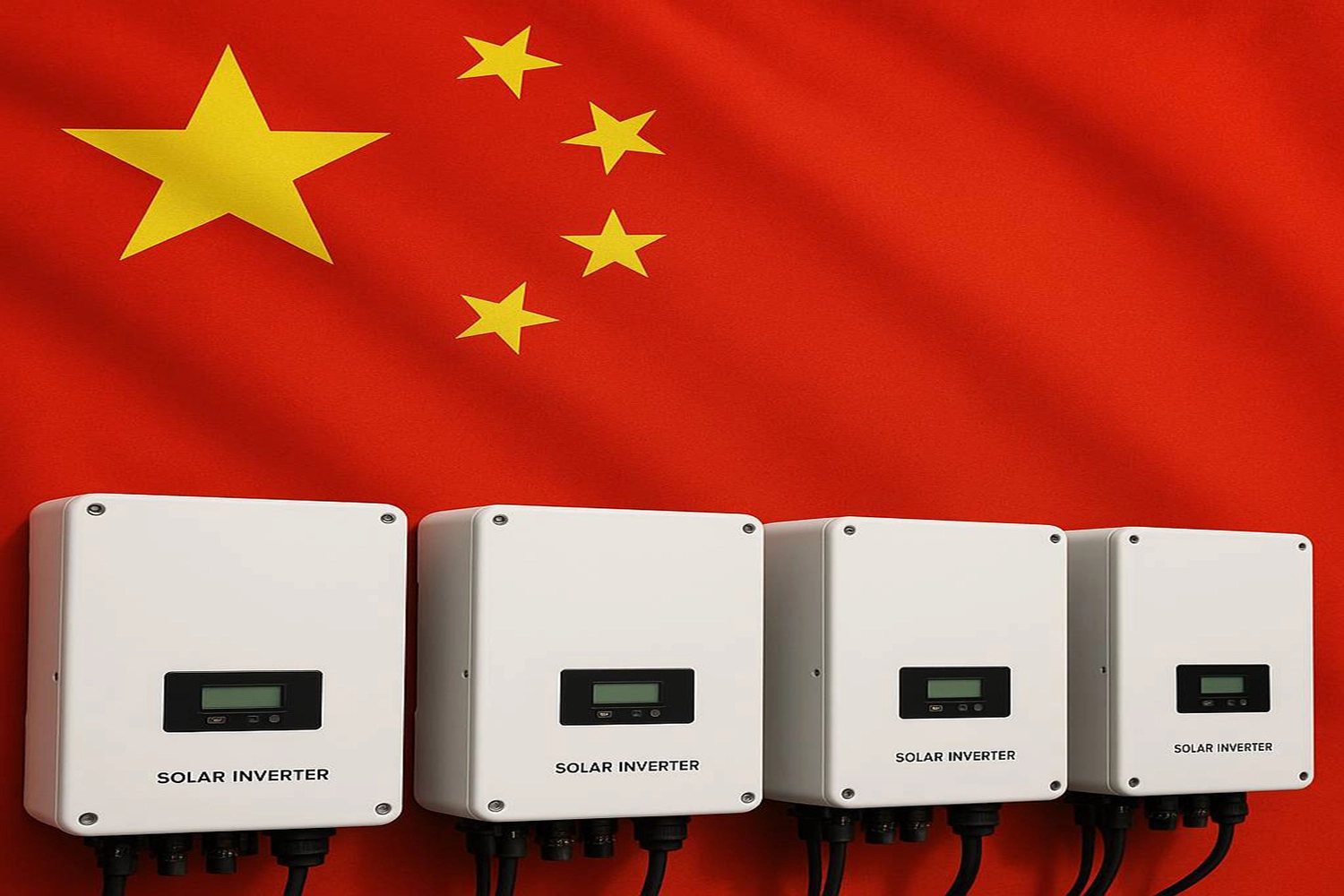
Security experts and government agencies in several countries have raised red flags over the discovery of unauthorized communication modules embedded in Chinese-manufactured solar inverters. These “rogue devices” reportedly have the potential to transmit data without user consent, sparking debates about critical infrastructure vulnerabilities and foreign surveillance.
Background: The Growing Popularity of Solar Inverters
As the global transition to renewable energy accelerates, solar inverters—devices that convert energy from solar panels into usable power—have become essential components of residential, commercial, and utility-scale energy systems. Chinese manufacturers dominate the global inverter market, supplying affordable, high-tech units across continents.
However, their widespread adoption has now come under scrutiny.
Discovery of Rogue Modules
According to cybersecurity analysts and officials from multiple nations, including the United States, Germany, and Australia, security audits on imported solar inverters revealed suspicious embedded communication hardware. These modules, not disclosed in technical documentation or listed in product specifications, are capable of long-range data transmission using protocols such as LoRa (Long Range) and proprietary RF systems.
In several cases, the communication devices were found operating on frequencies typically reserved for industrial or defense applications—raising concerns of potential interference and unauthorized data collection.
Security Implications
Experts warn that such devices, if exploited, could allow remote actors to gather energy usage data, track consumption patterns, or even manipulate inverter operations in critical infrastructure settings. While there's no conclusive public evidence yet of malicious activity, the presence of undisclosed communication hardware is a violation of international norms and could pose a serious cybersecurity risk.
"This is a textbook supply chain vulnerability," said Dr. Elias Monroe, a cybersecurity researcher at the Center for Infrastructure Protection. "When you allow black-box electronics into your grid, you risk importing more than just energy efficiency—you could be importing a listening device."
Government and Industry Response
In response to these revelations, several countries have launched formal investigations. The U.S. Department of Energy has reportedly instructed utilities and solar providers to audit their inverter fleets, while European regulators are pressing for stricter import checks and certification standards.
Some manufacturers identified in preliminary reports include lesser-known brands, but suspicions have also surfaced regarding products from Tier-1 vendors. Most have denied wrongdoing and issued statements asserting compliance with international safety and privacy standards.
Calls for Transparency and Regulation
The incident has reignited discussions around the need for tighter supply chain oversight in critical infrastructure sectors, particularly where foreign-sourced components are concerned.
Cybersecurity consultant Asha Patel emphasized, “We need enforceable standards requiring full disclosure of all embedded communication capabilities—not just for solar inverters, but for all smart grid devices.”
Meanwhile, advocacy groups are pushing for the creation of open-source firmware standards and domestic manufacturing incentives to reduce reliance on potentially compromised foreign technology.
Looking Ahead
While investigations continue, utilities and consumers are being urged to conduct firmware audits and consider isolating affected devices from sensitive networks.
This episode highlights the complex intersection of clean energy, geopolitics, and cybersecurity. As the global energy system becomes increasingly digitized, ensuring its integrity will require more than just green tech—it will demand transparency, vigilance, and robust policy frameworks.