
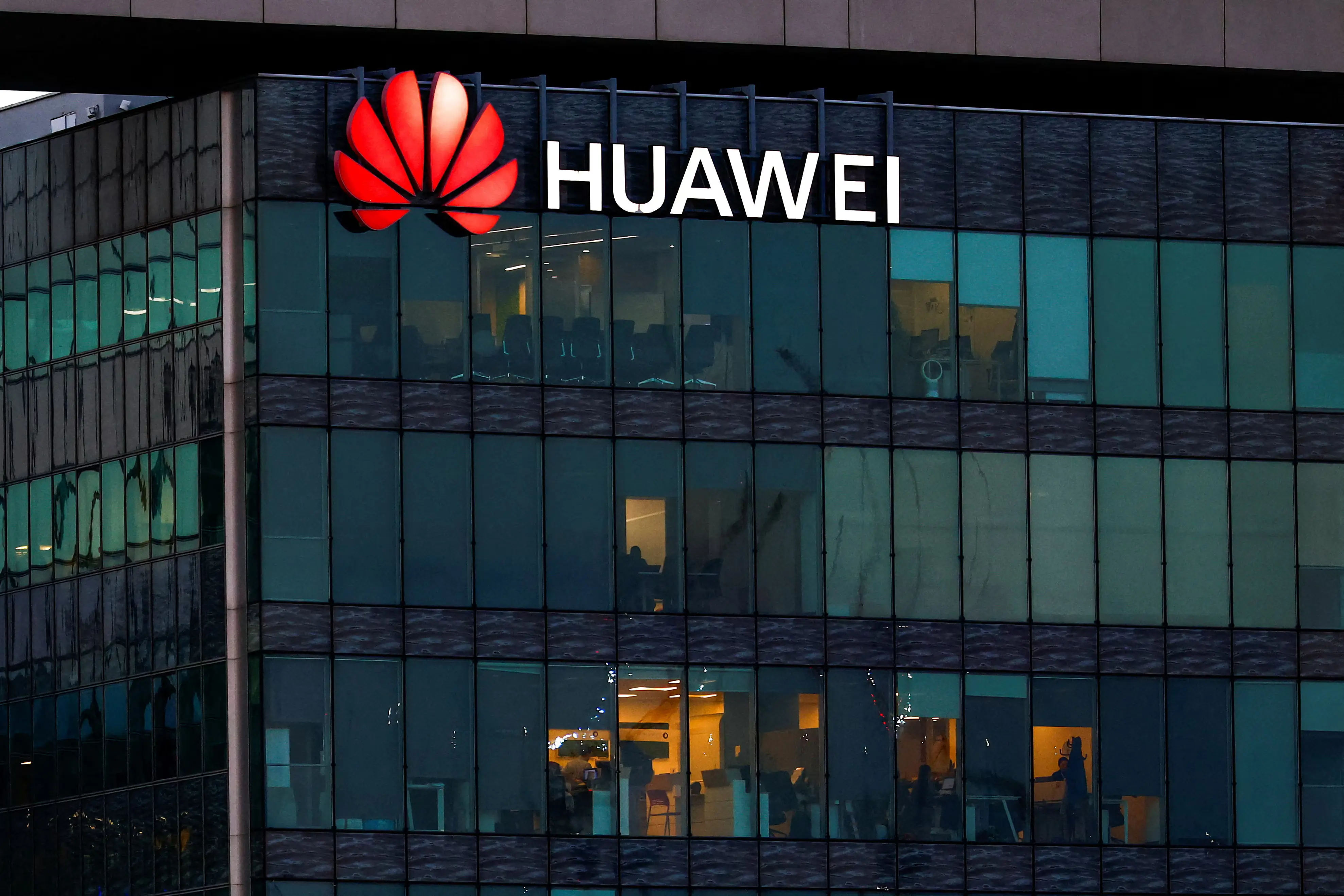
In a rare admission, Huawei’s CEO Ren Zhengfei has conceded that the company’s semiconductor technology is still "one generation behind" the leading-edge chips produced by the United States. Speaking during a recent internal company event, Ren acknowledged that U.S. sanctions have placed heavy restrictions on Huawei’s access to advanced chip-making equipment, but emphasized the firm’s efforts to “survive and innovate” despite these limitations.
🛠️ Finding Workarounds to Stay Competitive
Despite being cut off from global foundries like TSMC and restricted from acquiring cutting-edge EUV lithography tools, Huawei is doubling down on workaround strategies. These include heavy investment in domestic semiconductor fabrication via SMIC (Semiconductor Manufacturing International Corporation), improved chip design via its HiSilicon unit, and enhanced collaboration with local Chinese firms. The company’s recent Kirin 9000S chip—developed using less advanced DUV processes—demonstrates that functional, competitive chips can still be manufactured under tight restrictions.
🇨🇳 A Broader Push for Tech Sovereignty
Huawei’s push is not an isolated case, but part of a larger Chinese ambition to achieve semiconductor self-sufficiency. The Chinese government has significantly ramped up funding and policy support for domestic chipmakers, encouraging innovation that could help firms like Huawei close the gap with American competitors. Huawei’s adaptations, including customizing older fabrication processes to fit modern demands, show a flexible approach to systemic restrictions.
🔄 Strategy Over Speed
While the company may be lagging in raw chip technology, Huawei is shifting focus toward integrating software, AI optimization, and power efficiency improvements that allow it to remain competitive in both the consumer and enterprise markets. The CEO stressed that Huawei is not in a sprint to match U.S. firms chip-for-chip, but rather in a long-term race to build a resilient ecosystem around slightly older but effective hardware.
🌍 Implications for Global Tech Balance
Huawei’s determination to thrive under pressure could influence how other sanctioned or emerging-market tech firms adapt. Its workaround strategy, if successful, may challenge the long-term dominance of Western chipmakers and offer a model for bypassing geopolitical tech barriers. Still, experts caution that without access to EUV and advanced materials, truly catching up will be a monumental task.