
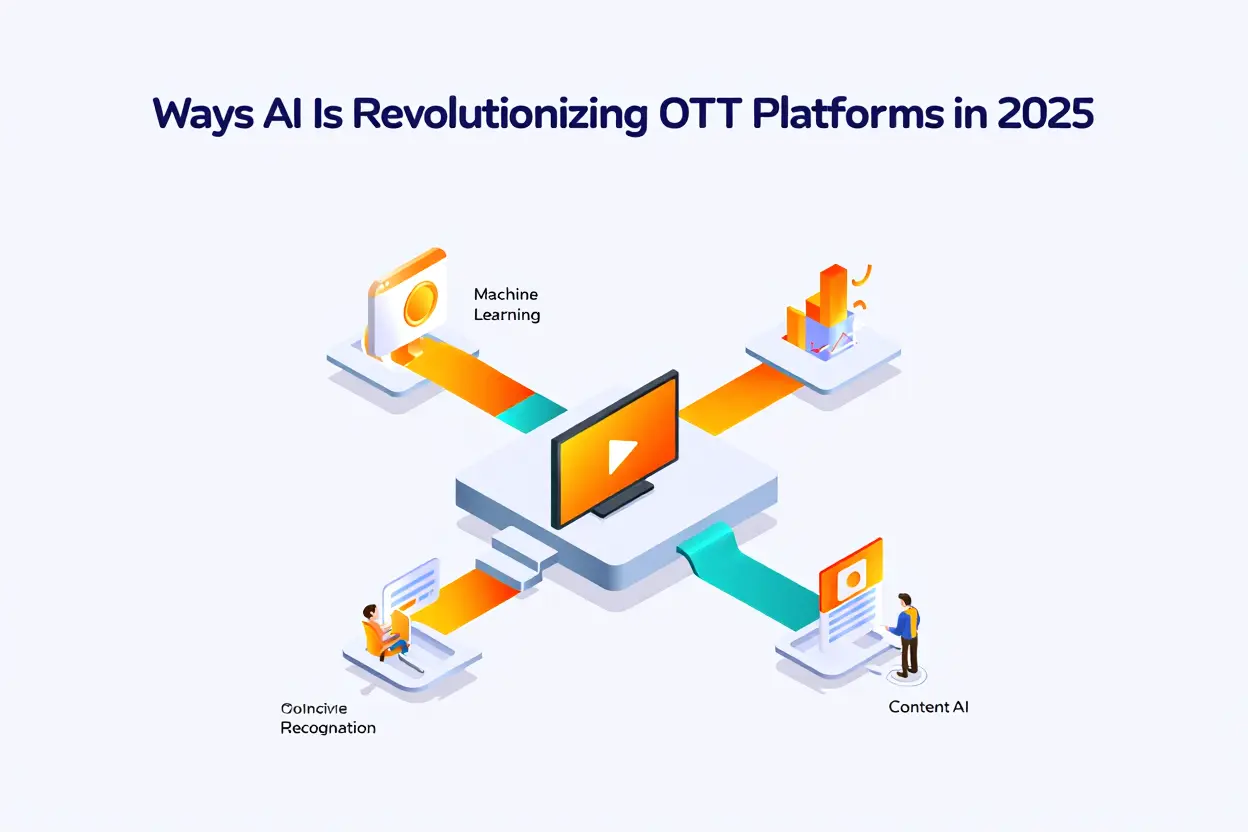
Over-the-top (OTT) platforms like Netflix, Amazon Prime Video, Disney+, and regional streaming apps have increasingly relied on artificial intelligence to shape what viewers see on their screens. As competition in the streaming market intensifies in 2026, AI-driven recommendation engines have become a critical differentiator, influencing watch time, subscriber retention, and overall user satisfaction.
Understanding Viewer Behavior Through Data
AI systems analyze massive volumes of user data, including watch history, pause and rewind actions, search queries, ratings, device usage, and even the time of day content is consumed. By processing these signals, machine learning models build detailed viewer profiles that go far beyond basic genre preferences, enabling platforms to understand moods, habits, and evolving tastes.
Personalization Through Machine Learning Models
Modern OTT platforms deploy advanced machine learning techniques such as collaborative filtering, content-based filtering, and deep learning. Collaborative filtering compares viewing patterns among users with similar interests, while content-based models focus on metadata like cast, language, themes, and pacing. Deep learning systems combine both approaches to deliver hyper-personalized recommendations unique to each user.
AI-Driven Thumbnails and Trailers
AI doesn’t just decide what content to recommend—it also determines how it is presented. Streaming platforms use computer vision and AI analytics to generate personalized thumbnails and trailers. For example, a user who prefers action may see an explosive scene as a thumbnail, while another may see a character-driven image from the same show.
Real-Time Recommendations and Adaptive Feeds
In 2026, real-time AI models allow OTT platforms to update recommendations dynamically. If a viewer suddenly switches genres or binge-watches a particular series, the home screen instantly adapts. This real-time personalization helps platforms stay relevant and reduces the chances of users abandoning the app due to content fatigue.
Boosting Regional and Niche Content Discovery
AI has also played a key role in promoting regional, indie, and niche content. By identifying micro-preferences, recommendation engines surface lesser-known shows and films to the right audiences, helping creators reach viewers who are most likely to engage, even without heavy marketing budgets.
Balancing Engagement and Ethical Concerns
While AI-driven recommendations enhance user experience, they also raise concerns around filter bubbles, data privacy, and algorithmic bias. OTT companies are increasingly focusing on transparent AI models, user controls, and regulatory compliance to ensure recommendations remain diverse, fair, and privacy-conscious.
The Future of OTT Recommendations
Looking ahead, AI-powered recommendations are expected to integrate emotional AI, voice-based inputs, and cross-platform behavior analysis. As OTT platforms continue to refine their algorithms, the line between viewer choice and AI guidance will blur further—reshaping how audiences discover and consume digital entertainment.