
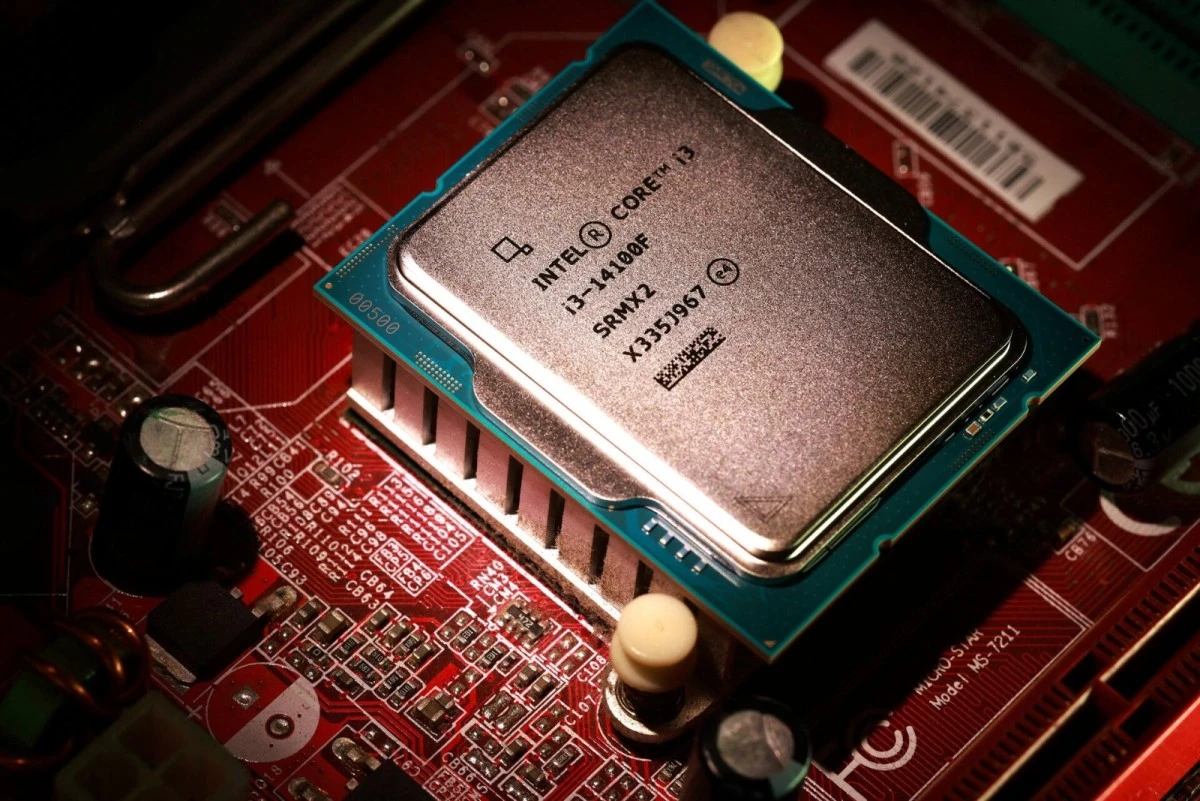
Intel Corp. has warned that a potential U.S. government equity stake in the company could pose risks to its global business operations, future sales, and even eligibility for federal grants. The statement comes as Washington considers measures to strengthen domestic semiconductor production under the CHIPS and Science Act.
Concerns About International Sales
According to Intel, if the U.S. acquires a stake, foreign governments may perceive the company as “state-influenced,” creating barriers to global contracts and partnerships. Such a move could limit Intel’s access to international markets where neutrality and independence are highly valued.
Possible Impact on CHIPS Act Grants
Intel highlighted that U.S. ownership might complicate its eligibility for future CHIPS Act subsidies and incentives. The legislation, designed to boost semiconductor manufacturing in America, could paradoxically penalize Intel if foreign regulators react negatively to U.S. involvement in the company’s equity.
Global Semiconductor Competition
The semiconductor industry is already facing fierce competition, particularly with Asian and European players expanding their domestic production. Intel fears that U.S. government involvement could weaken its competitive position abroad, especially in regions wary of American political influence over supply chains.
A Delicate Balancing Act
Industry experts note that Washington’s push for technological sovereignty must balance national interests with corporate independence. Intel’s caution underscores the complexity of ensuring both domestic security and global competitiveness in the race for semiconductor dominance.