
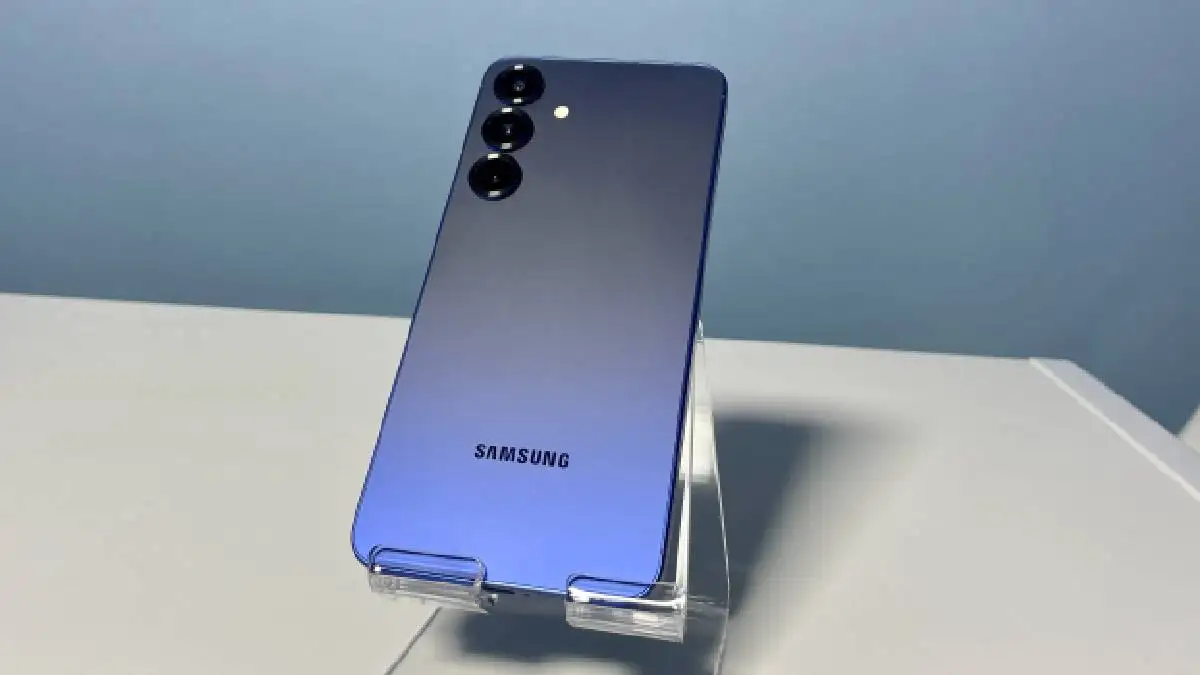
Concerns recently surfaced after reports suggested that the government may require smartphone manufacturers to disclose their source code as part of regulatory or security measures. The claims quickly gained traction, raising alarms over privacy, intellectual property protection, and potential state surveillance.
Government’s Official Clarification
Government authorities have categorically denied seeking access to the entire source code of smartphones or mobile operating systems. Officials clarified that no blanket directive exists requiring manufacturers such as Apple, Samsung, or Xiaomi to hand over proprietary software code to regulators.
What Is Actually Being Discussed
According to policymakers, discussions—where they exist—are limited to lawful interception, cybersecurity compliance, and device certification standards. These processes typically involve security audits, testing protocols, or limited technical disclosures, not full access to core operating system source code.
Why Source Code Matters So Much
Source code is the backbone of any software product and is closely guarded as intellectual property. Mandating its disclosure could expose companies to risks such as:
-
Trade secret leaks
-
Increased vulnerability to cyberattacks
-
Loss of global competitive advantage
This is why technology firms strongly resist such demands unless legally unavoidable.
Industry Reaction and Expert Views
Technology experts argue that forcing source code disclosure would:
-
Violate international trade norms
-
Discourage foreign investment
-
Push manufacturers to reconsider market strategies
Industry bodies have emphasized that security cooperation does not require full code transparency.
Privacy and User Trust Concerns
Public anxiety also stems from fears that source code access could enable mass surveillance or weaken encryption. Authorities insist that existing laws already balance national security with individual privacy, and no new intrusive powers are being introduced through such alleged measures.
The Bigger Picture
Globally, governments are struggling to balance digital sovereignty, cybersecurity, and citizen privacy. India is not alone in reviewing tech regulations, but so far, there is no evidence of a policy shift toward mandatory smartphone source code disclosure.
Bottom Line
Despite widespread speculation, the government is not seeking smartphone source code from manufacturers. The controversy appears to stem from misinterpretation of regulatory discussions rather than an actual policy proposal. For now, consumer privacy and corporate intellectual property remain legally protected.