
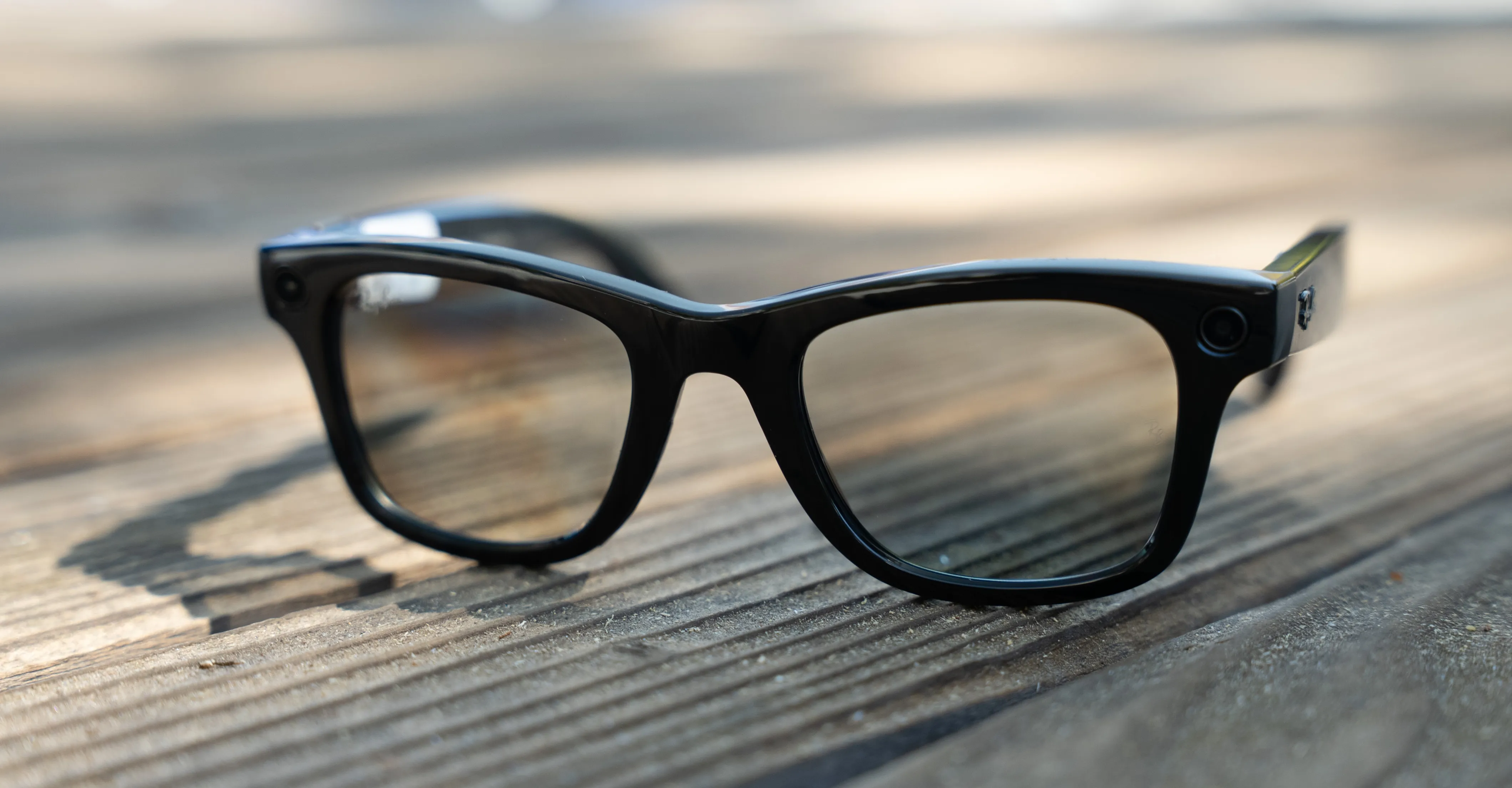
Kenya has initiated an official investigation into Meta’s Ray-Ban smart glasses, citing growing concerns about user privacy and potential misuse of personal data. The country’s data protection authorities are examining whether the wearable device complies with local privacy laws, particularly around consent, transparency, and data storage.
At the heart of the probe is the device’s ability to capture photos, videos, and audio discreetly—features that regulators fear could enable unauthorized surveillance in public and private spaces.
Concerns Over Covert Recording and Facial Recognition
One of the key issues under scrutiny is the possibility of covert recording. While Meta has built indicator lights into the glasses to signal when recording is active, regulators question whether these safeguards are sufficient or easily noticeable.
Additionally, experts have flagged concerns about the potential integration of AI-driven features such as facial recognition and real-time data analysis. Even if not fully deployed, the capability raises questions about how biometric data could be collected, processed, and stored in the future.
Kenya’s Data Protection Framework Put to the Test
Kenya’s Data Protection Act, enforced by the Office of the Data Protection Commissioner (ODPC), requires companies to clearly outline how user data is collected, used, and shared. The ongoing probe will assess whether Meta has met these obligations in the Kenyan market.
Authorities are also evaluating whether users and non-users alike are adequately protected. A major concern is that individuals captured in recordings may not have given consent—creating a legal grey area for wearable tech.
Meta’s Growing Scrutiny Across Global Markets
The Kenyan investigation reflects a broader global trend of increasing scrutiny on Meta and other tech giants over privacy practices. Similar concerns have surfaced in Europe and North America, where regulators are tightening rules around AI-powered devices and data collection.
Meta has previously stated that its smart glasses are designed with privacy in mind, emphasizing visible recording indicators and user controls. However, critics argue that such measures may not fully address real-world misuse.
Implications for Africa’s Tech Ecosystem
Kenya’s move could set a precedent for other African nations navigating the rapid adoption of emerging technologies. As one of the continent’s leading digital economies, Kenya often shapes regulatory approaches in neighboring regions.
A stricter stance on wearable tech could influence how global companies introduce new AI-driven devices in Africa, potentially requiring stronger compliance measures and localized safeguards.
Balancing Innovation With Privacy Rights
The probe underscores a growing tension between technological innovation and individual privacy rights. While smart glasses promise convenience and enhanced digital experiences, they also introduce new risks that regulators are still learning to manage.
The outcome of Kenya’s investigation could redefine how wearable technologies operate in regulated markets—forcing companies to rethink design, transparency, and accountability.